Small plugs that finish a refill properly
A silicone plug pack is a set of soft sealing caps used on refill ports after ink goes in. The plug sits in the port opening and helps keep liquid where it belongs while also limiting air from creeping into the system. In day to day refill work that matters because a small gap can lead to drips, mess on the bench and unstable ink flow later on.
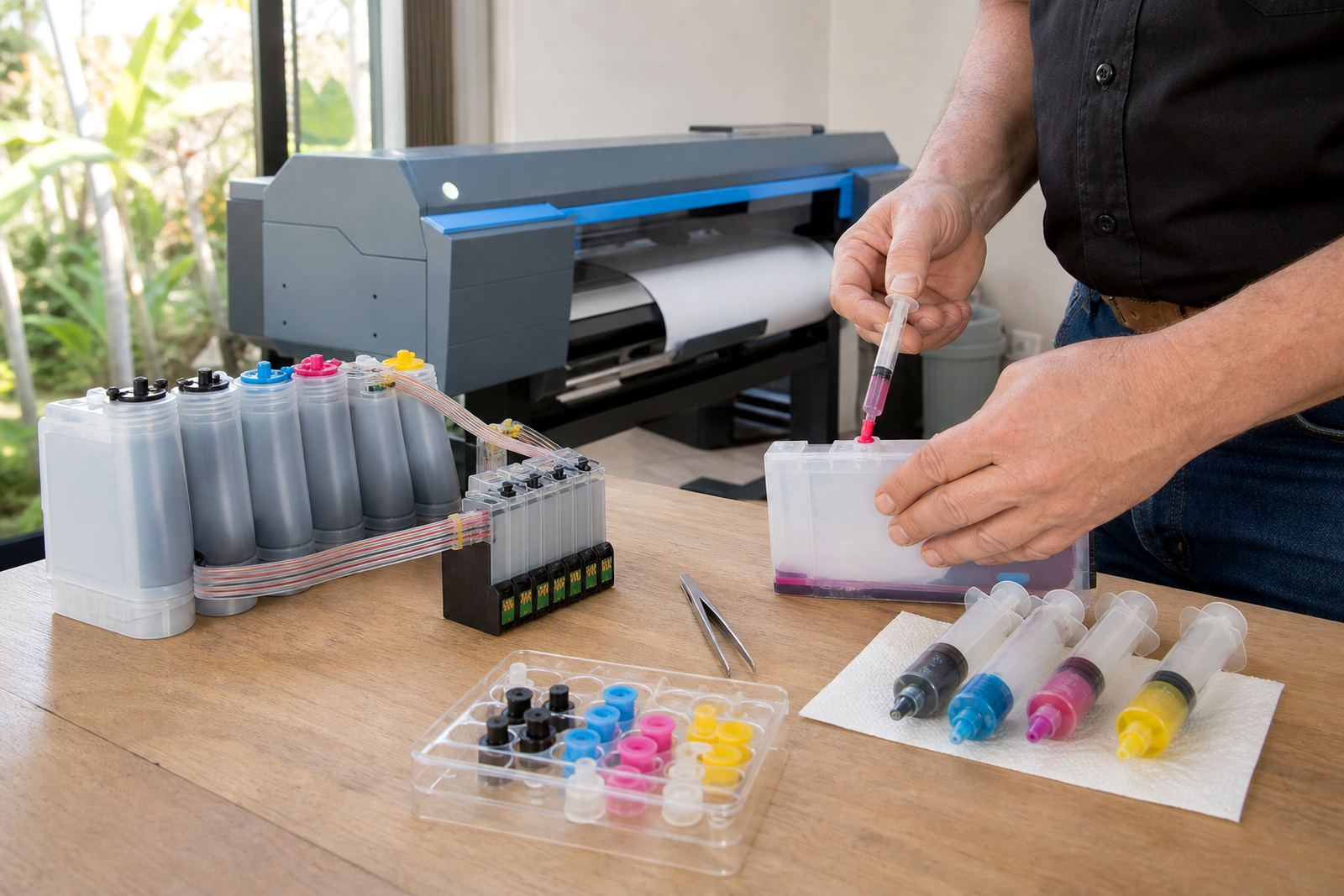
These plugs are used on refillable cartridges, continuous ink supply systems and certain refill bottles or reservoirs where a soft seal is preferred. The fit depends on the port shape and diameter, so the pack must match the opening rather than being forced into place. In Westville, Durban and in courier runs to Johannesburg, Pretoria or Cape Town, we often see plugs ordered together with refill advice or chip reset help when a full refill setup needs tidying up.
- Soft silicone body for a snug seal
- Made for refill ports and fill holes
- Helps reduce spills during handling and transport
- Useful on single carts and linked tank systems
Size choices and fit points that matter
Silicone plugs come in different diameters and shapes, so the opening must be checked before a pack is selected. Some ports are narrow and shallow, while others are wider with a deeper seat. If the plug is too loose it can lift out, and if it is too large it may distort the port or sit crooked. On a refill bench that leads to weeping ink and a seal that does not hold for long.
For office printers, design studio machines and wide-format units the important details are the port size, whether the hole is round or stepped, and how much clearance sits around the cap once fitted. For tanks that stay in place on a shelf, a low-profile plug can be better than a tall one. In more mobile setups, a firmer seated plug helps when the system is moved between rooms or packed for courier delivery.
- Port diameter
- Port depth
- Round, stepped or tapered opening
- Low-profile or extended grip style
Where silicone plugs earn their keep
This pack suits places where ink is filled often and clean handling saves time. Offices that refill benchtop cartridges use them to close ports after topping up. Studios that handle colour work use them when switching between dye and pigment ink systems, because each fill needs a neat seal before the cartridge goes back into service. Wide-format print shops also use them on larger refill arrangements where tanks, lines and cartridges are handled as part of the daily run.
They are useful on systems that need a sealed port after priming, testing or topping up. That includes refill kits, CISS tanks and cartridge bodies with accessible fill holes. The plug is not a cure for a poor refill, but it does help keep the end of the job tidy and less prone to air entry at the mouth of the port.
- Office refilling stations
- Design and illustration studios
- Wide-format and production print rooms
- Cartridge refill benches and tank systems
Fitting the plug without stressing the port
Fitting is usually manual and should be done with clean hands or a clean tool where the opening is small. The port edge should be free of pooled ink before the plug goes in. A light press is enough for most silicone styles. If a plug needs force, the size is wrong or the opening has been damaged. That is worth correcting early because a stretched port can start leaking around the seal.
On some systems the plug is inserted after the fill syringe is removed. On others it closes a vent or access point once the cartridge has been primed. For wider systems, technicians may pair the plug with leak checking, nozzle check support or printhead care so the refill path stays clean from bottle to nozzle. In our work around Durban and the inland routes, we also advise checking that the surrounding plastic is dry before packing the unit.
- Wipe the refill area before sealing
- Seat the plug squarely, not at an angle
- Check for a flush fit around the rim
- Inspect for seepage after the first movement of the unit
Care between refills and transport
Silicone plugs last longer when they are cleaned after use and kept away from heavy ink build-up. Dried pigment can cling to the outer edge, so a gentle wipe before storage helps. If a plug has swollen, split or lost its grip it should be replaced, because a tired seal is not dependable on the next fill. Keep the set in a small lidded container so it does not pick up dust or fibres from the work area.
When cartridges or tanks are couriered, the ports should be sealed and the outside wiped dry before packing. That matters on South African routes where parcels can sit in different temperatures for a while. A clean seal and a clean outer surface make a better package for dispatch, and they also help when empties are returned for recycling as part of a fuller refill programme.
- Wipe off residual ink after use
- Store in a clean container away from dust
- Replace damaged or misshapen plugs
- Use with dry outer surfaces before transit
Details to confirm before you order
To match the right silicone plug pack, the opening style, size and system type need to be clear. It helps to know whether the plug is for a cartridge refill port, a tank fill hole or a vent opening. The ink type in use also matters when the plug sits close to a busy refill path, especially on systems where pigment ink is handled and a tighter seal is preferred.
When sending the order through our contact form, include the printer model, the cartridge or tank type, the port diameter if you have it, and whether the pack is for single use or for a bench that handles repeated fills. If the unit is used with chip reset help, remote troubleshooting or operator training, note that as well because the plug often sits inside a wider refill routine. Accurate details save back and forth and help the right pack go out with the right courier run.
- Printer or system model
- Cartridge, tank or refill kit type
- Port diameter and opening shape
- Ink type in use, dye or pigment
Key facts
| Product | Silicone Plug Pack |
|---|---|
| Use | Sealing refill ports after filling |
| Material | Flexible silicone |
| Common fit | Cartridges, CISS tanks, refill kits |
| Pack content | Multiple sealing plugs by size |
| Main benefit | Helps reduce spills and air entry |