

Refurbished cartridges for day-to-day printing
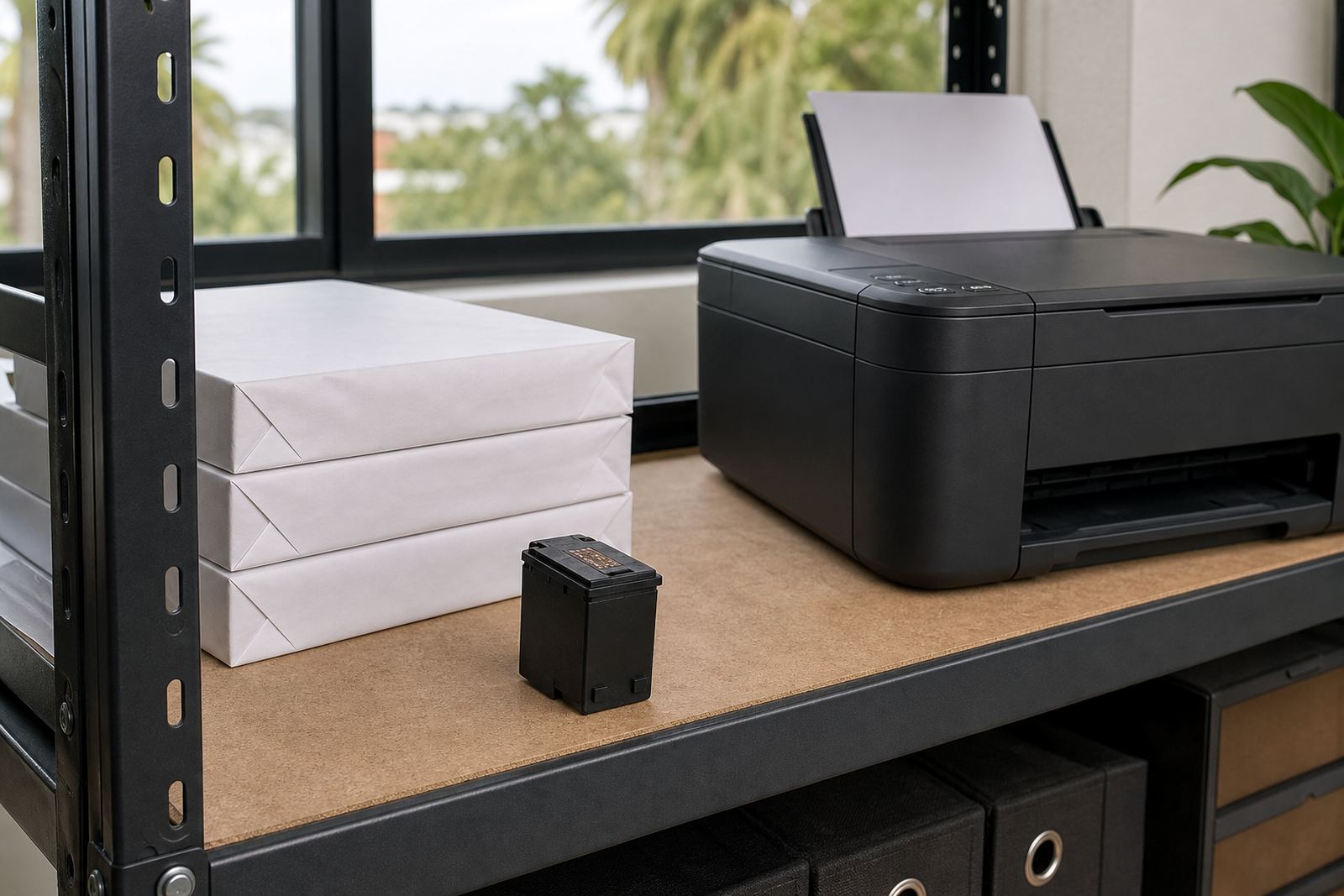
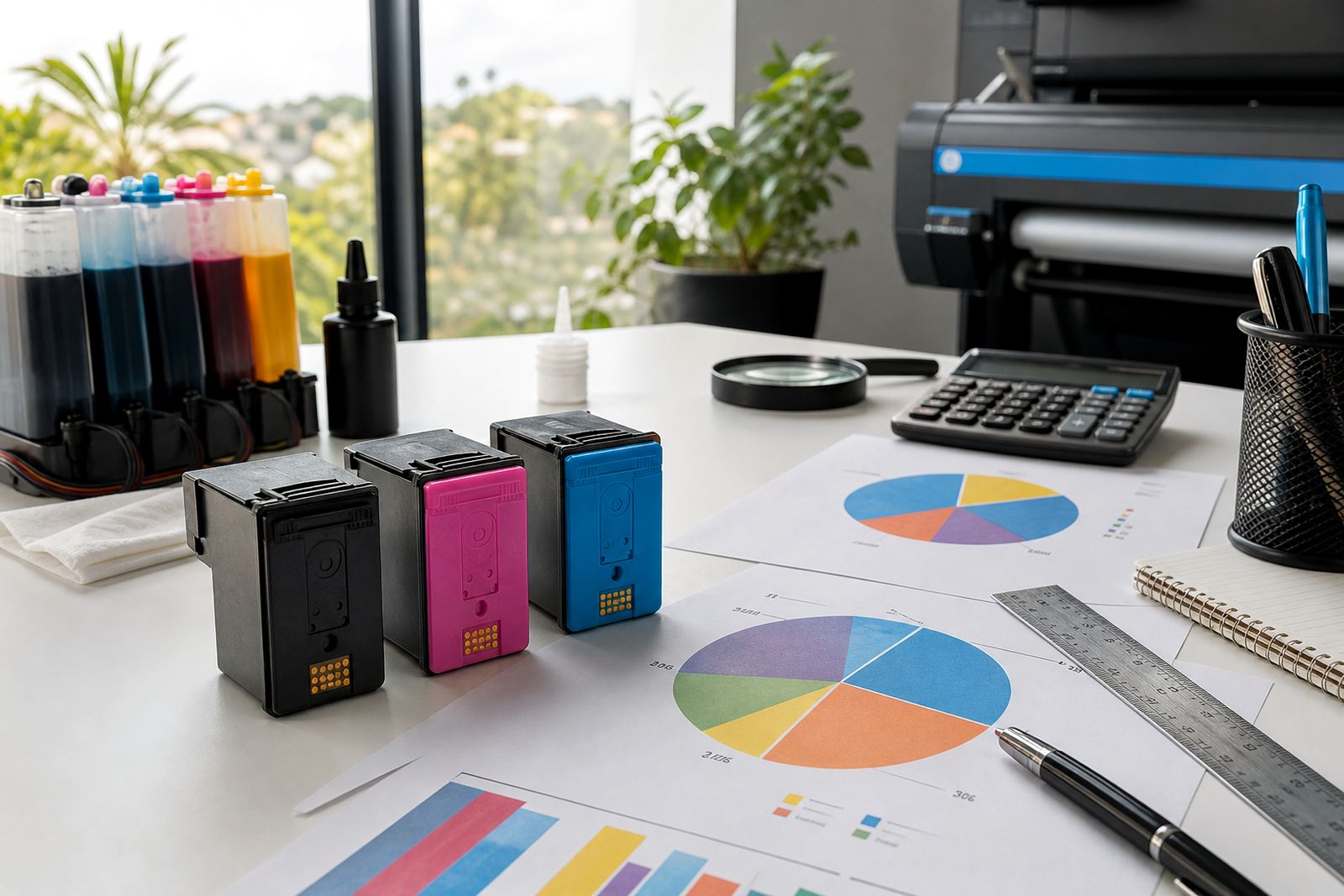
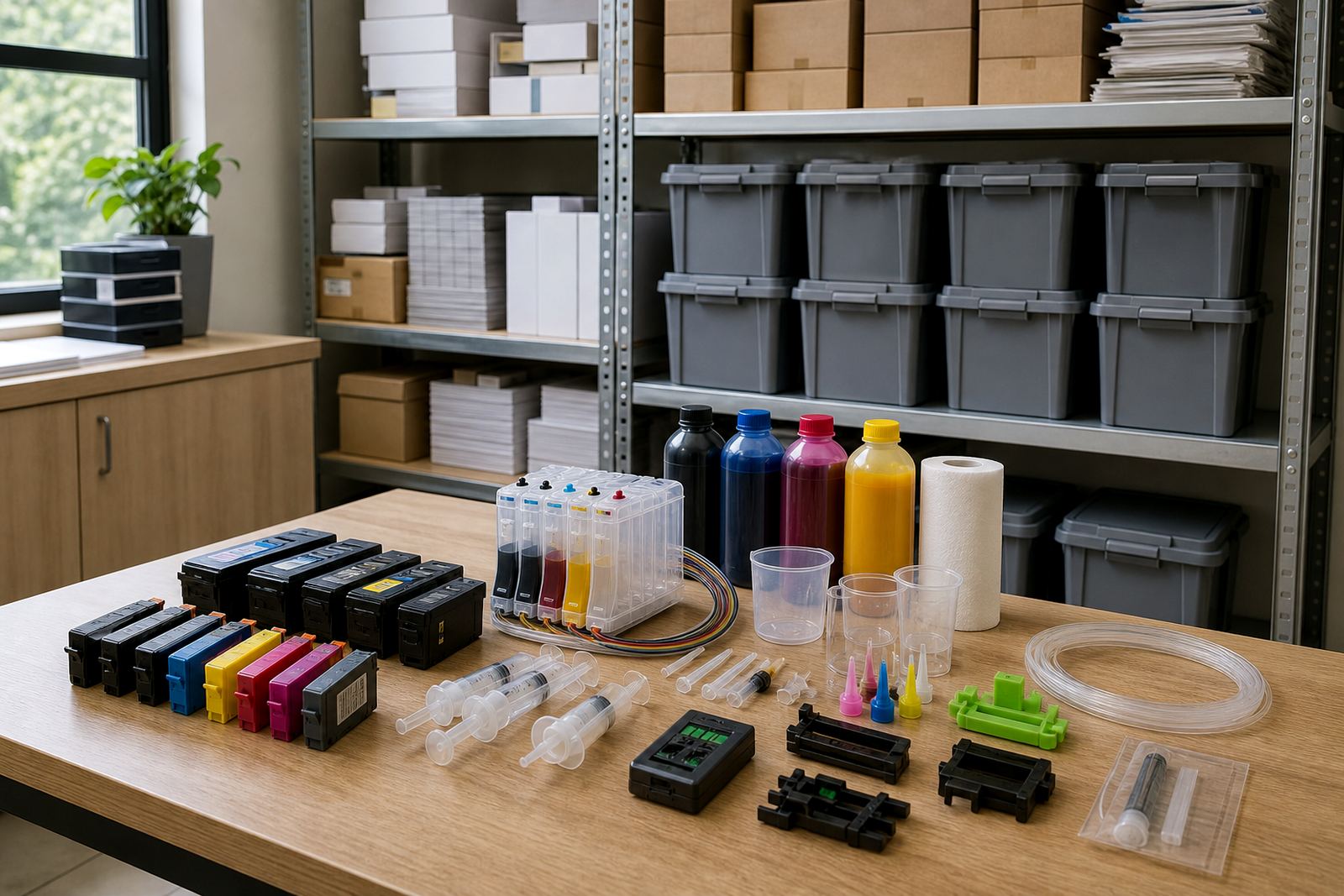
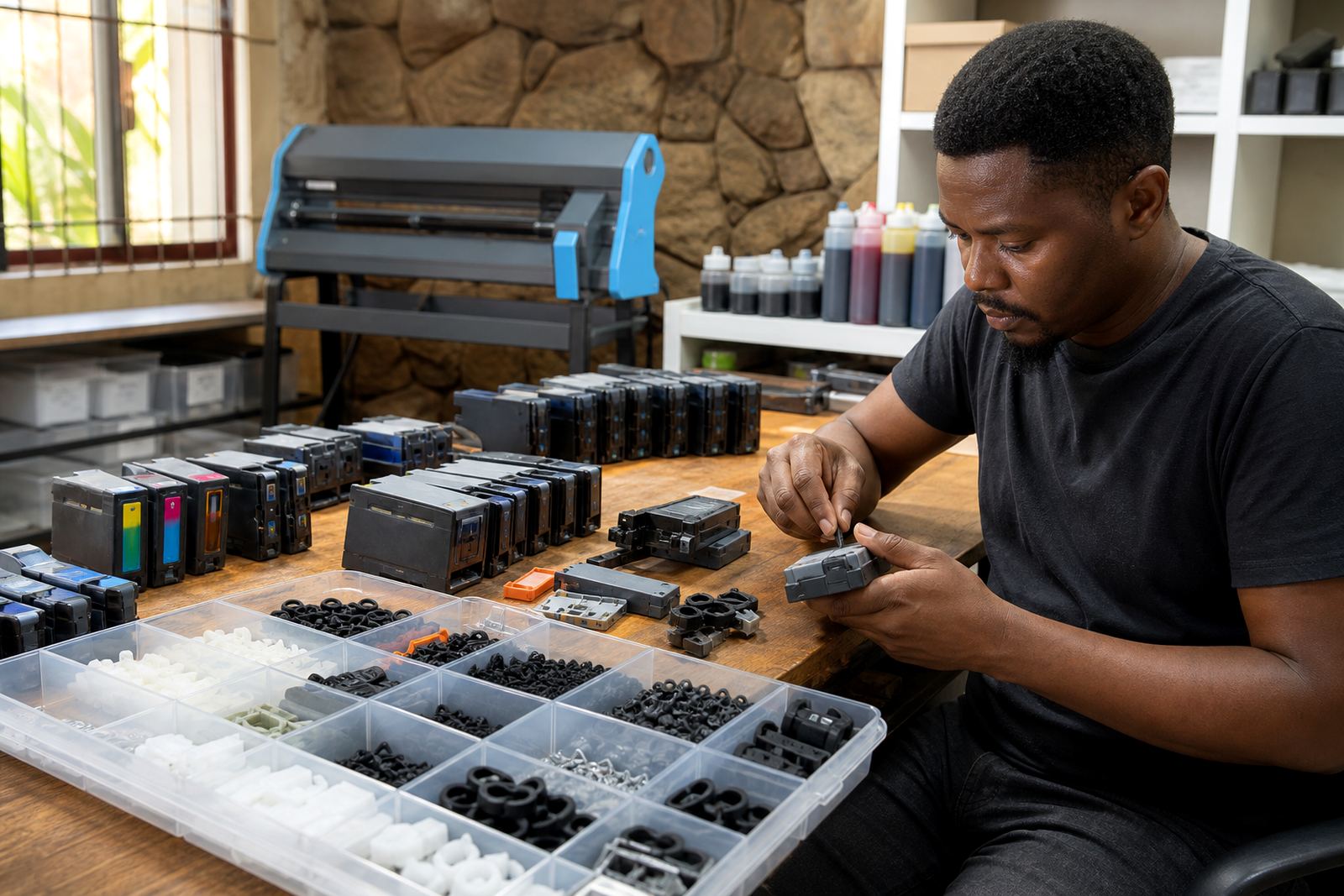
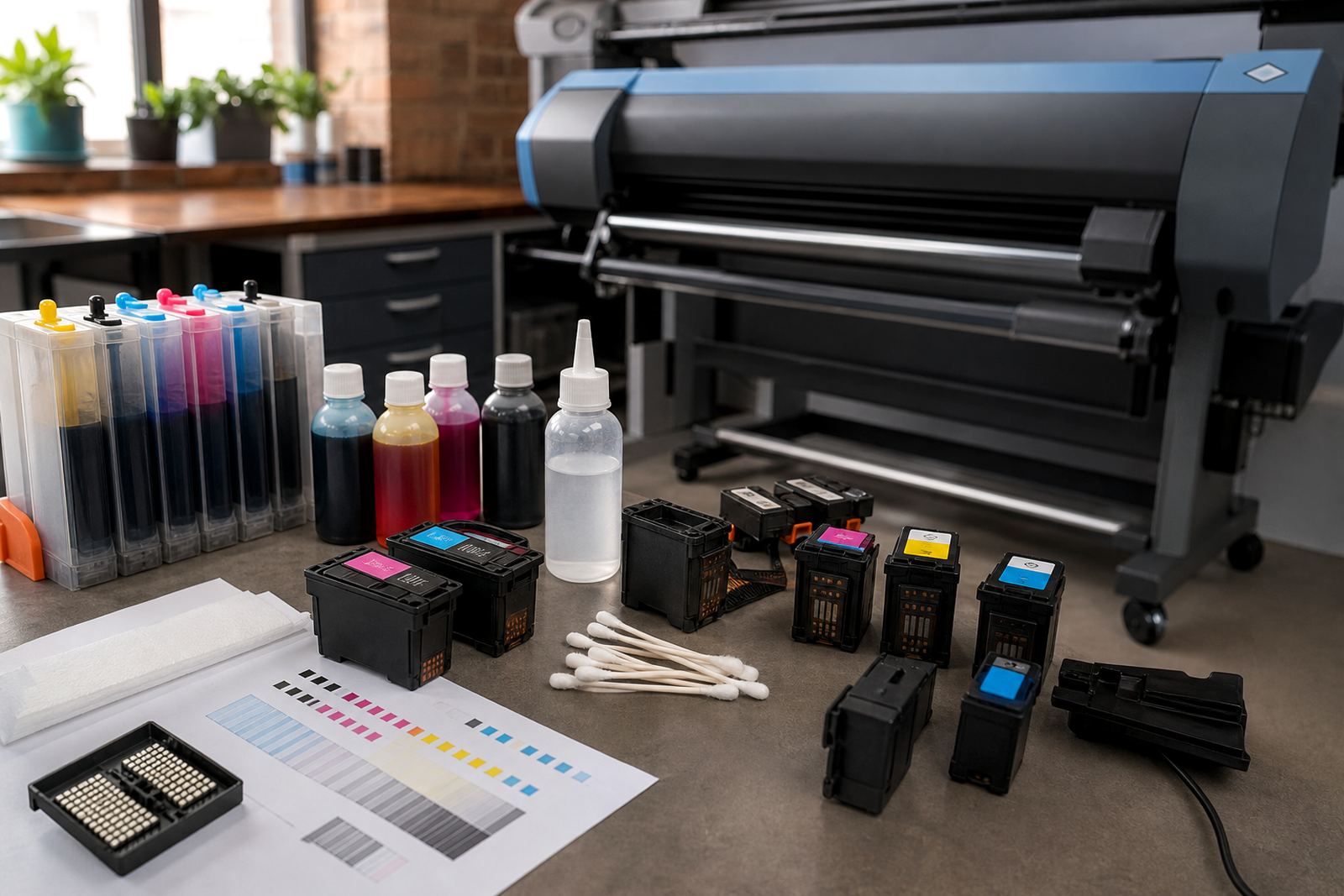
Refurbished cartridges suit offices and studios that print letters, forms, proofs and general colour work without buying a new cartridge each time. The casing is cleaned, inspected and refilled, then checked for leaks and print consistency before it is placed back into use. That makes sense where pages move through the machine regularly and the work needs predictable output without extra waste.
For many teams, the key question is not whether a cartridge is new or refurbished, but whether it feeds the printer properly and gives steady results on the paper already in the tray. Standard office pages, coated stock and proof sheets can each behave differently, so the cartridge choice should follow the paper and the duty cycle, not only the model name.
Refill kits and the parts that go with them
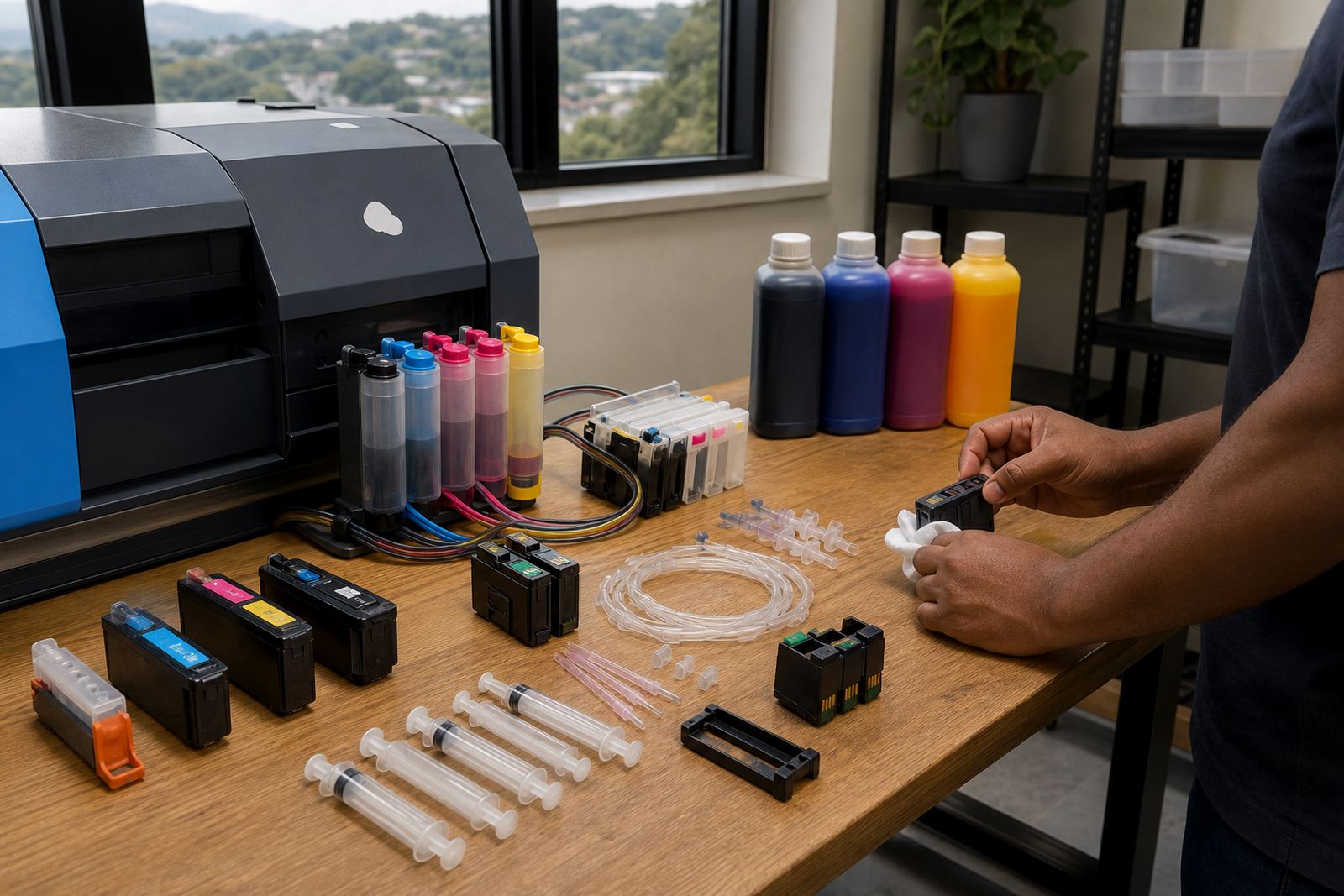
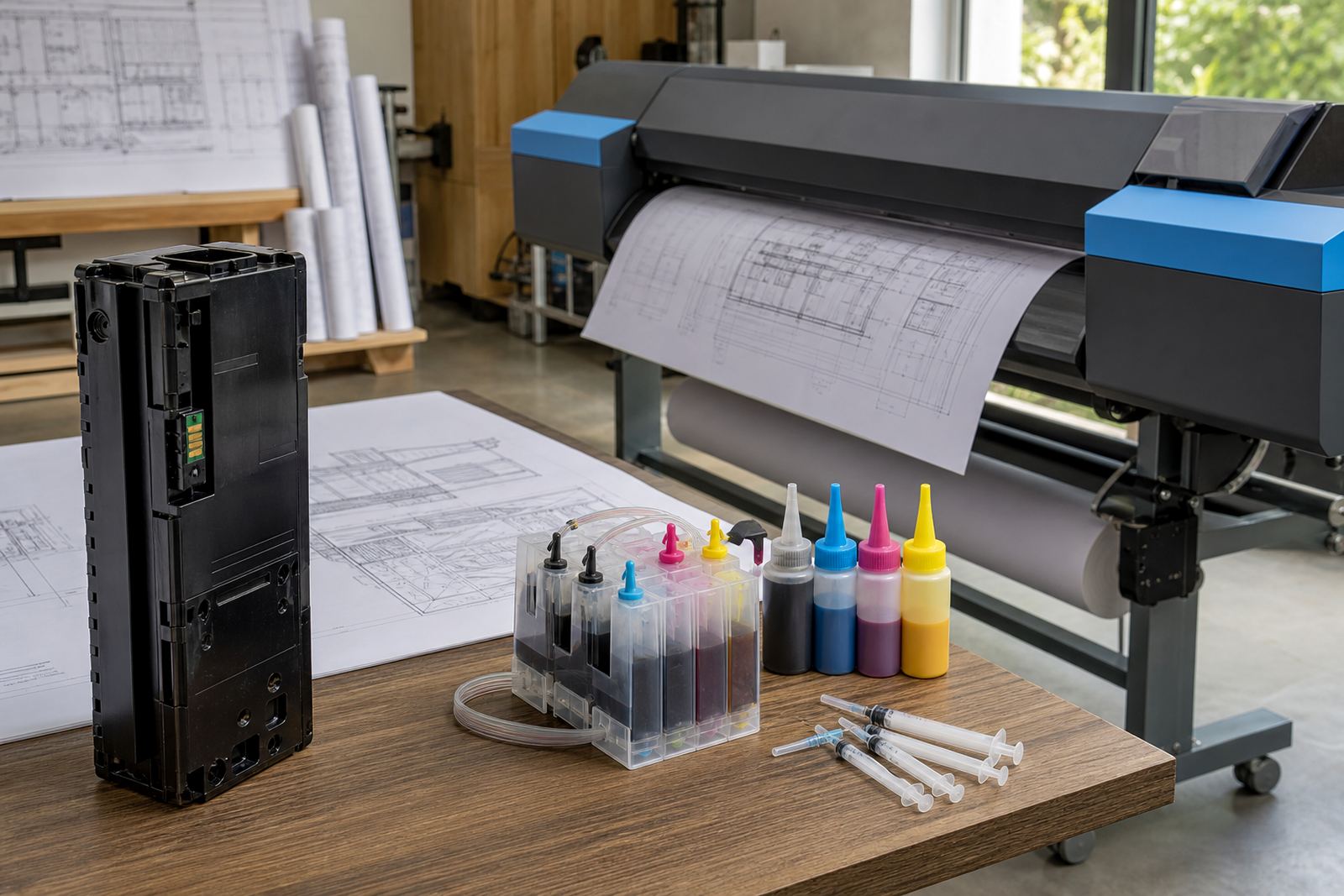
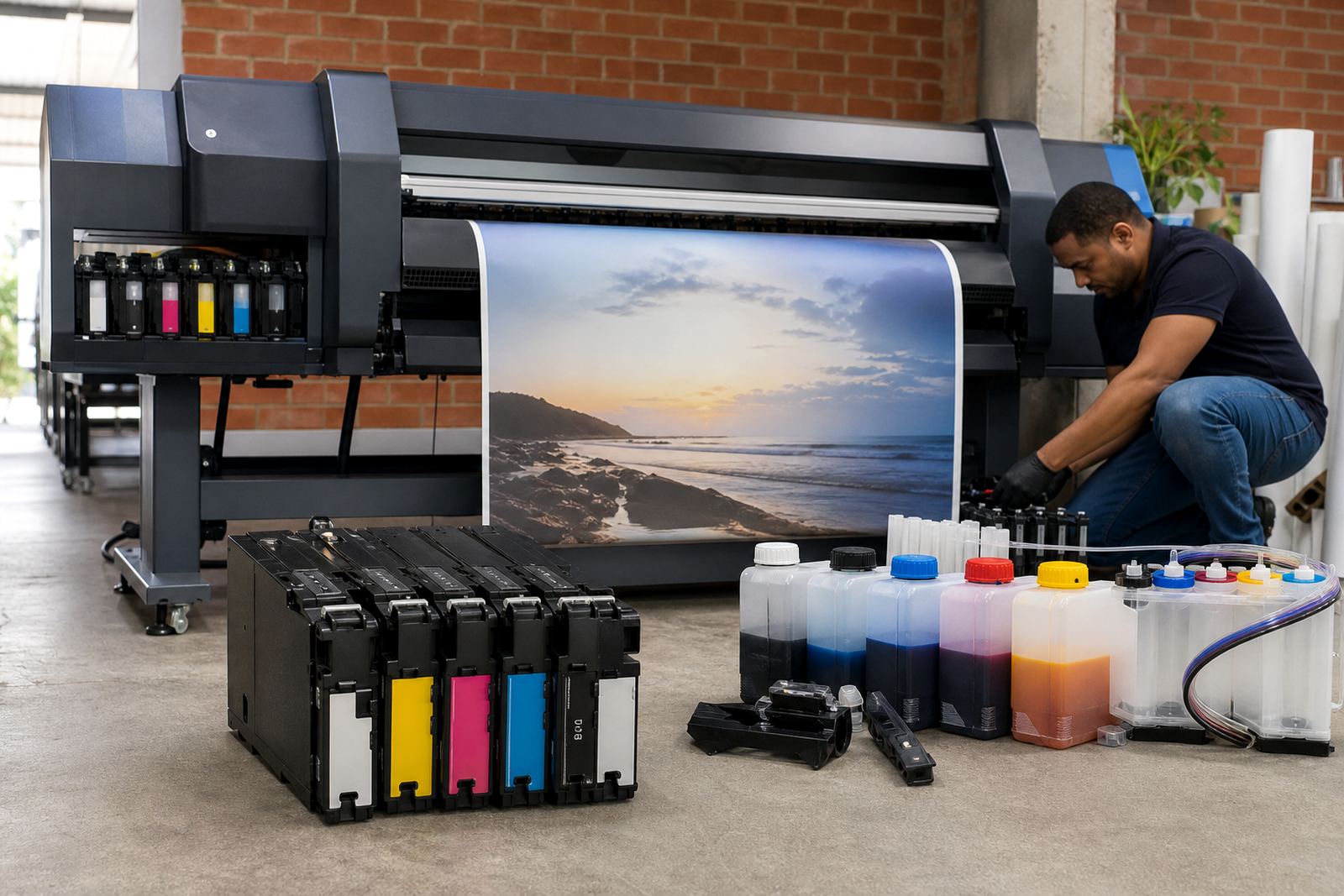
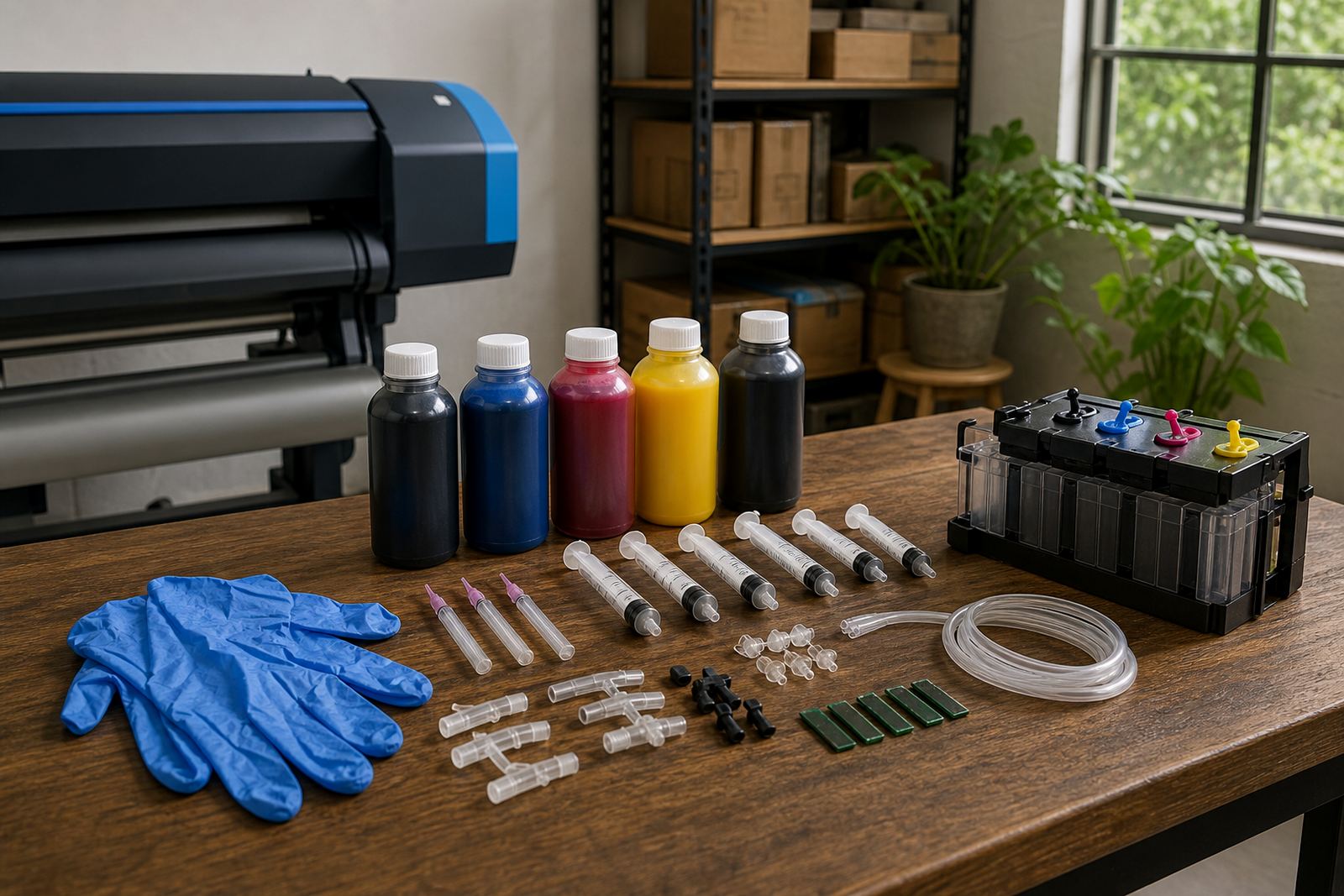
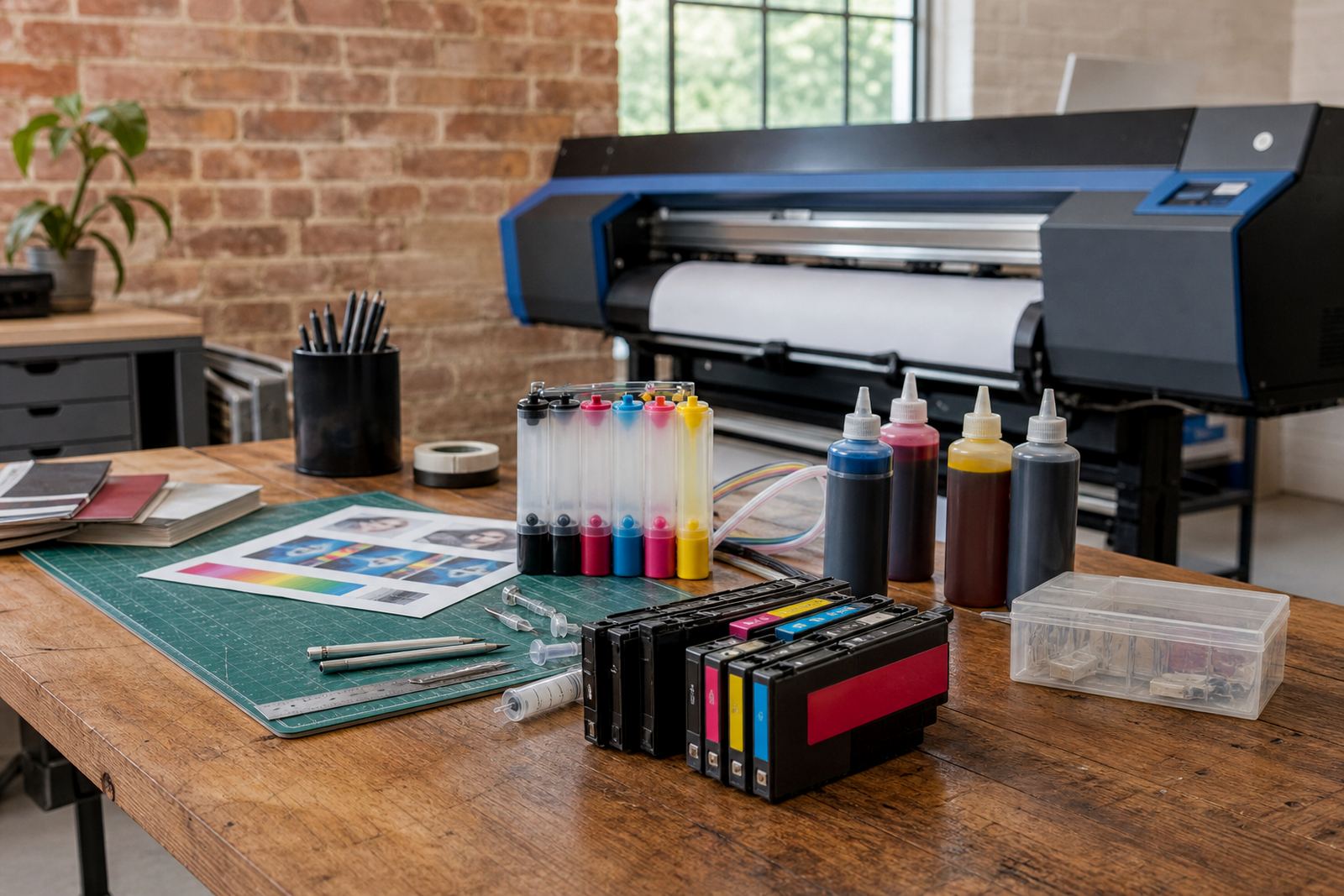
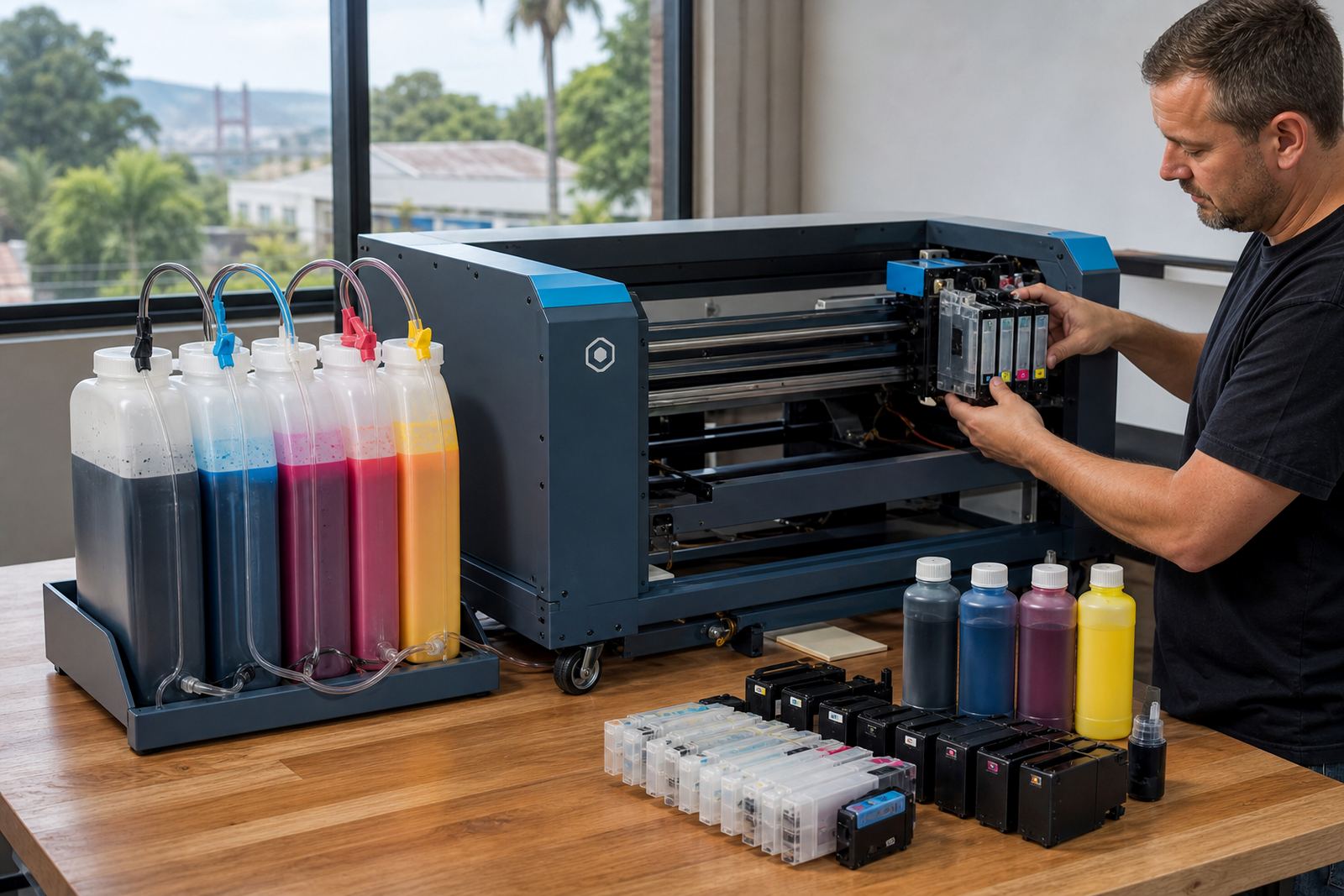
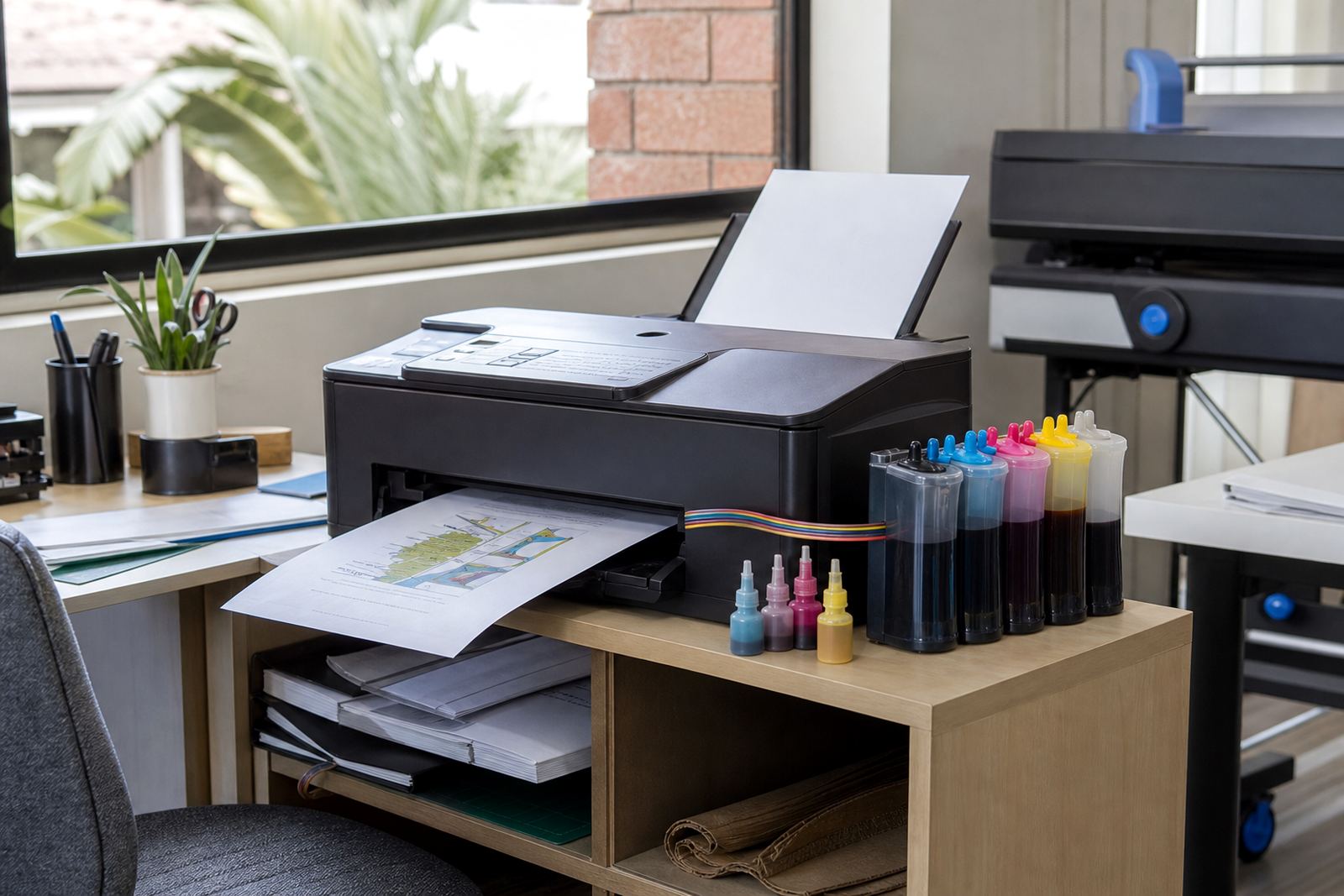
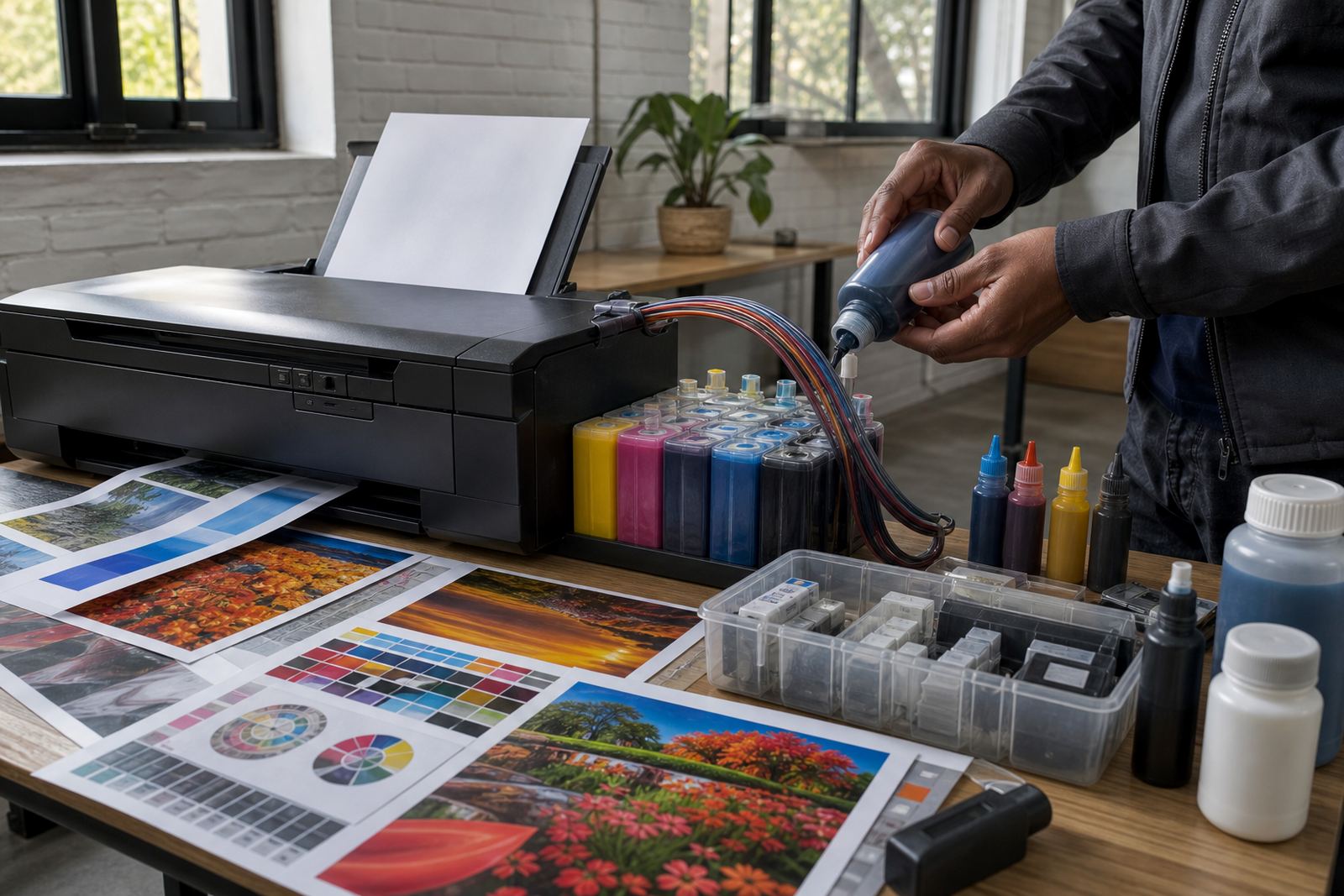
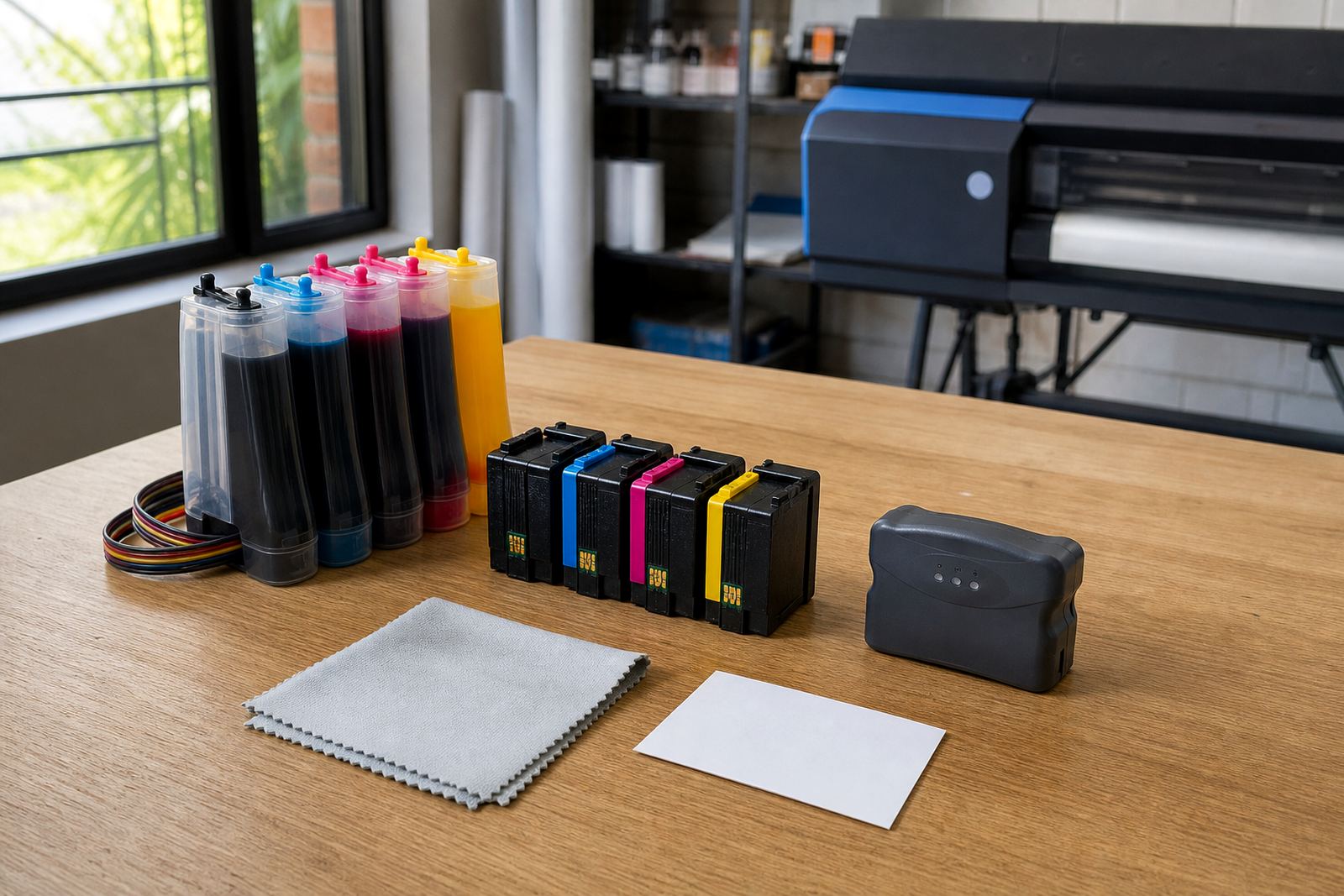
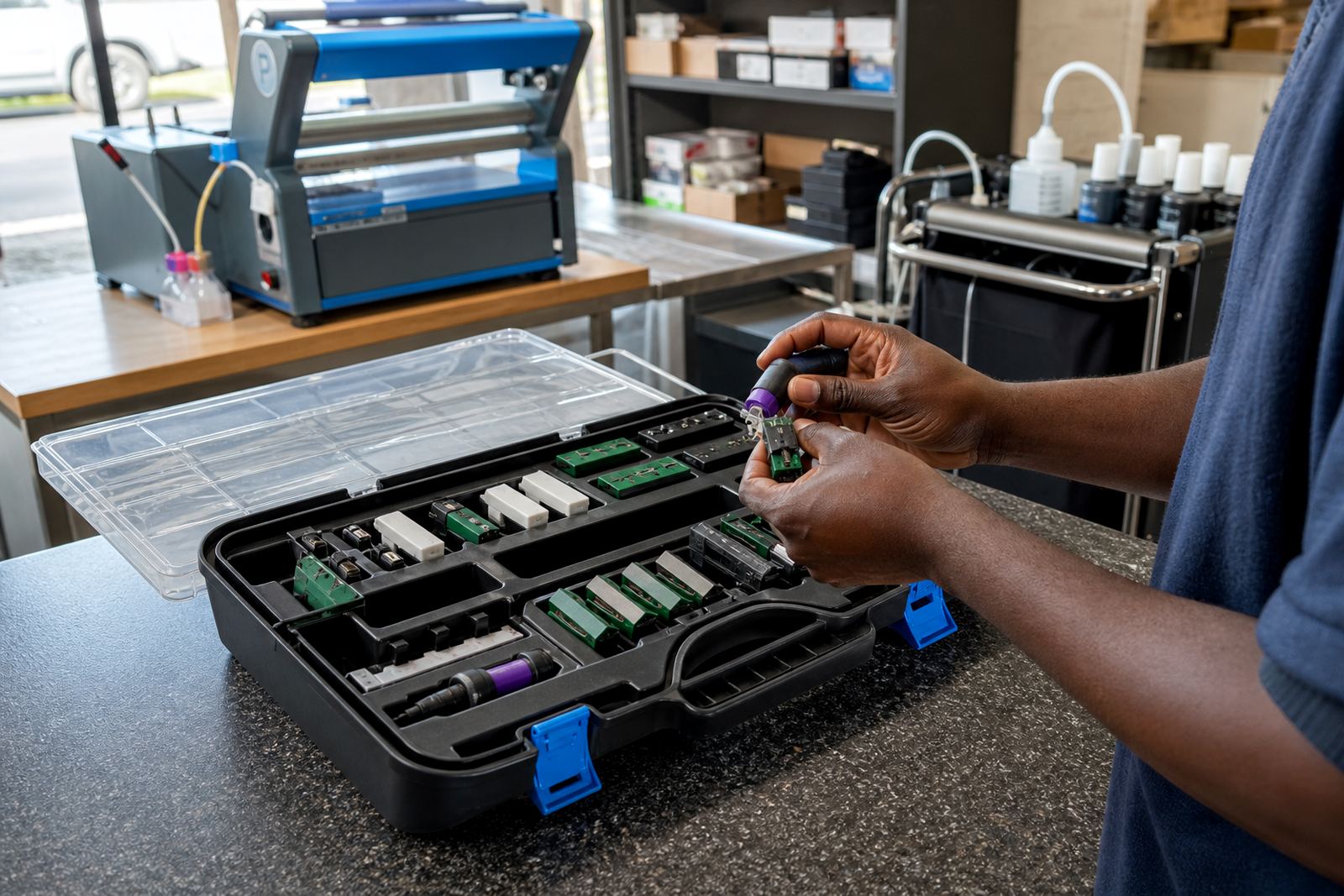
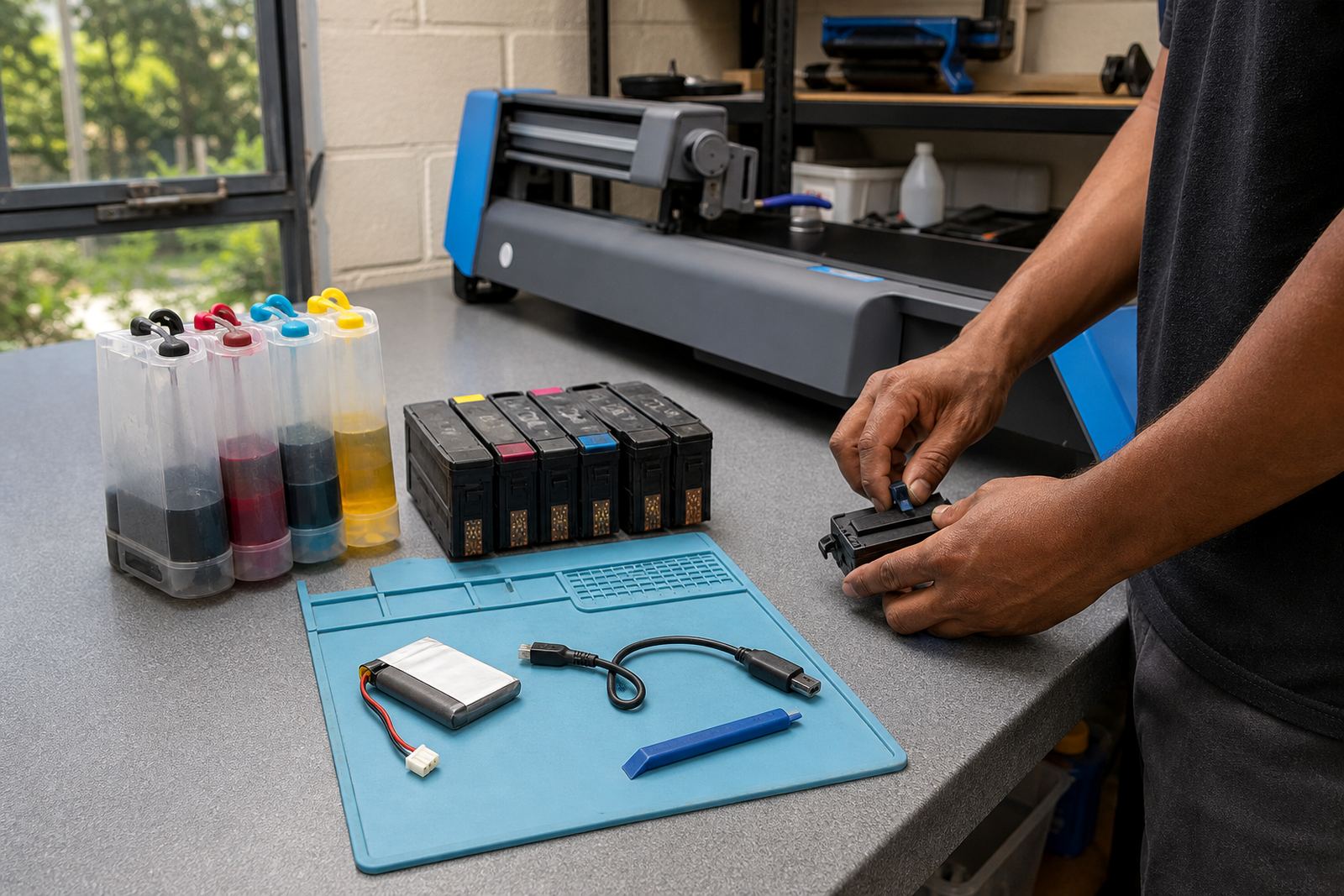
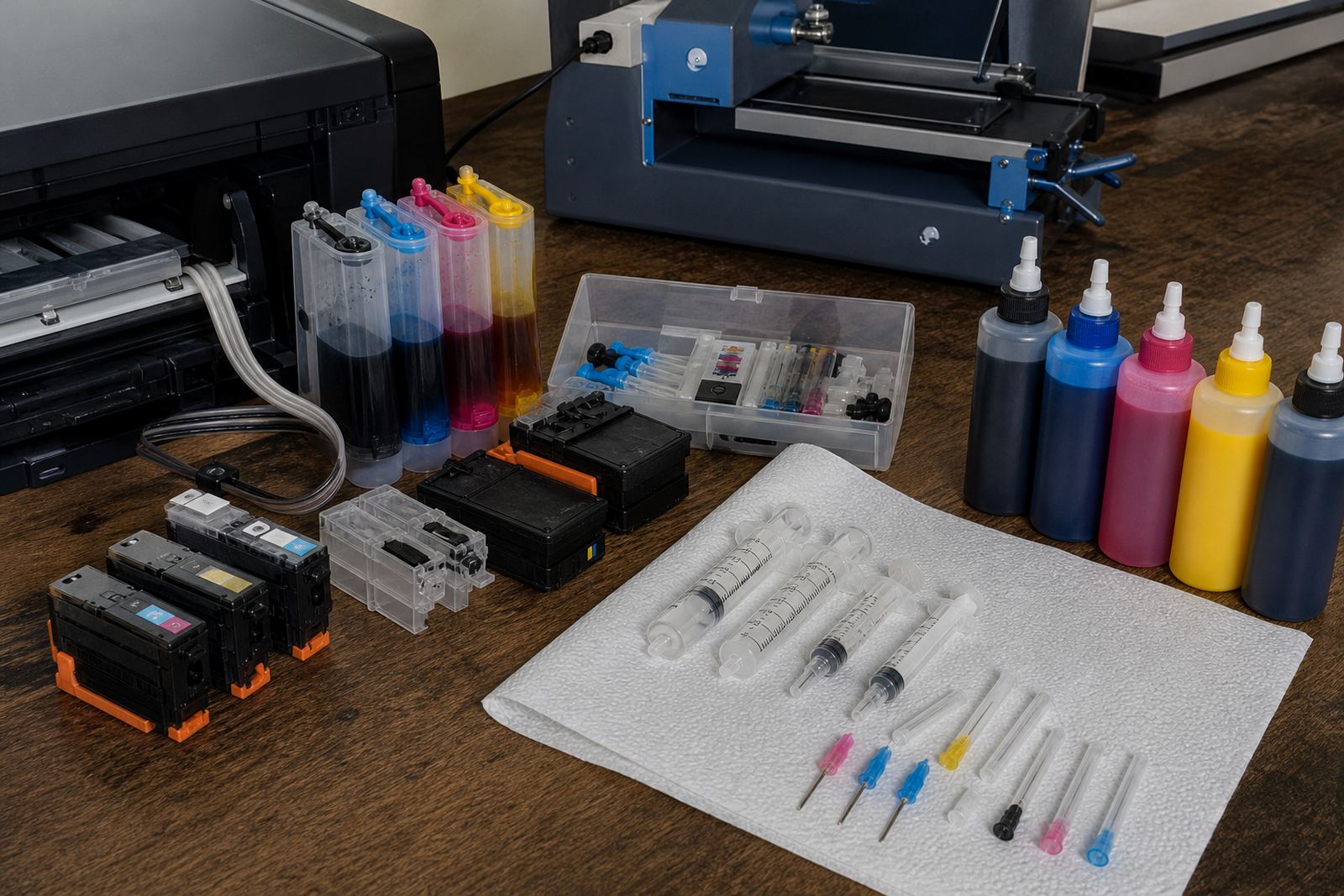
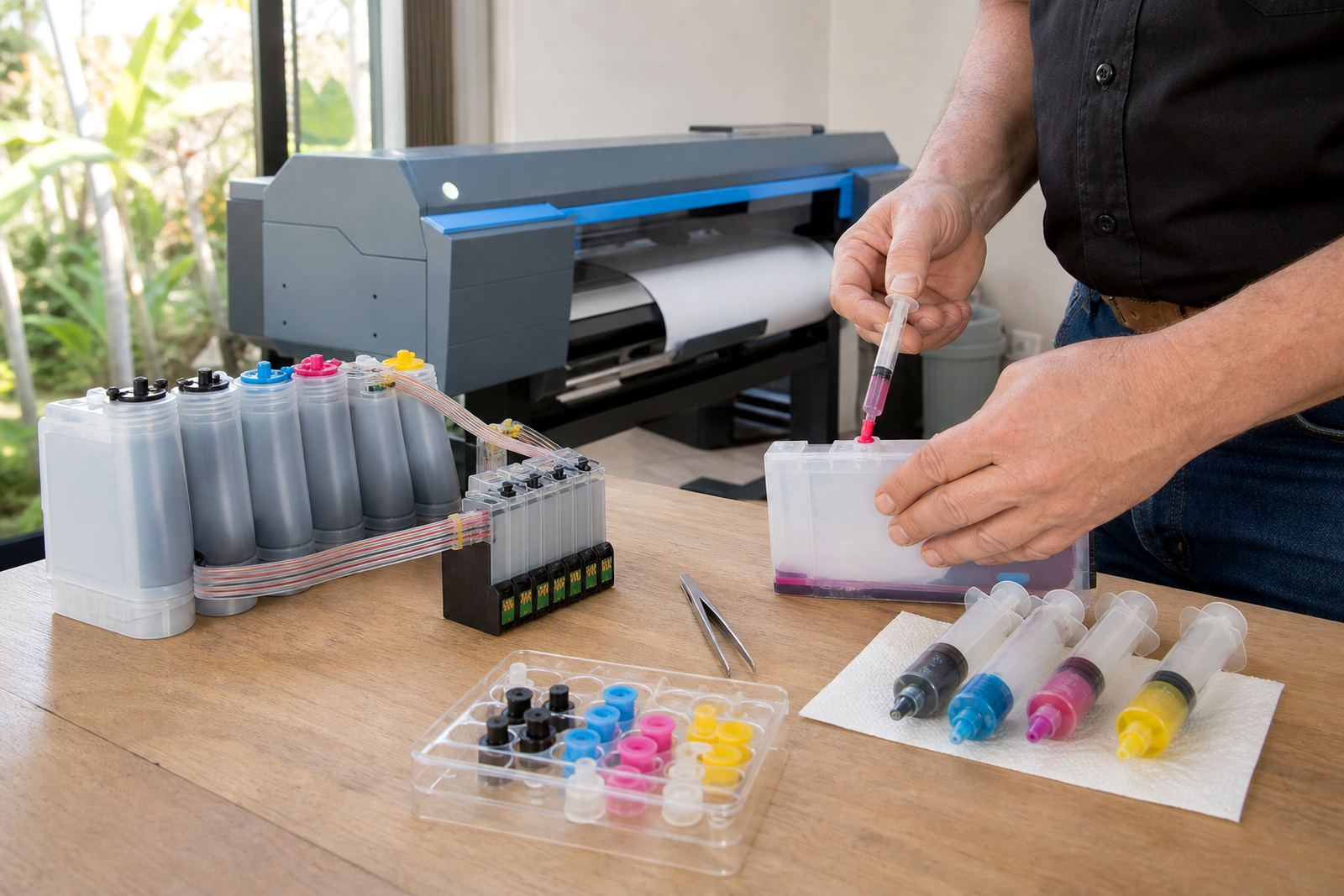
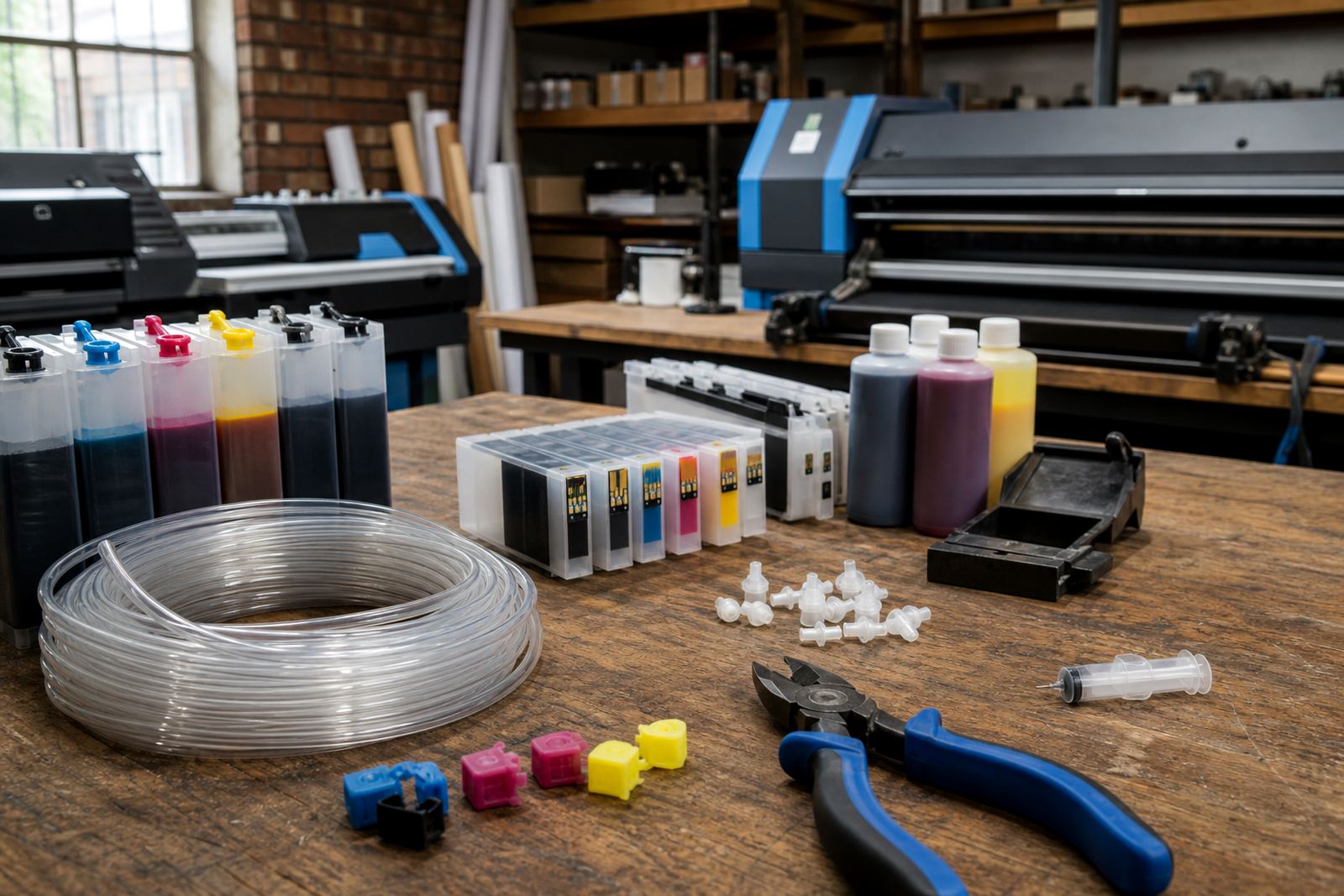
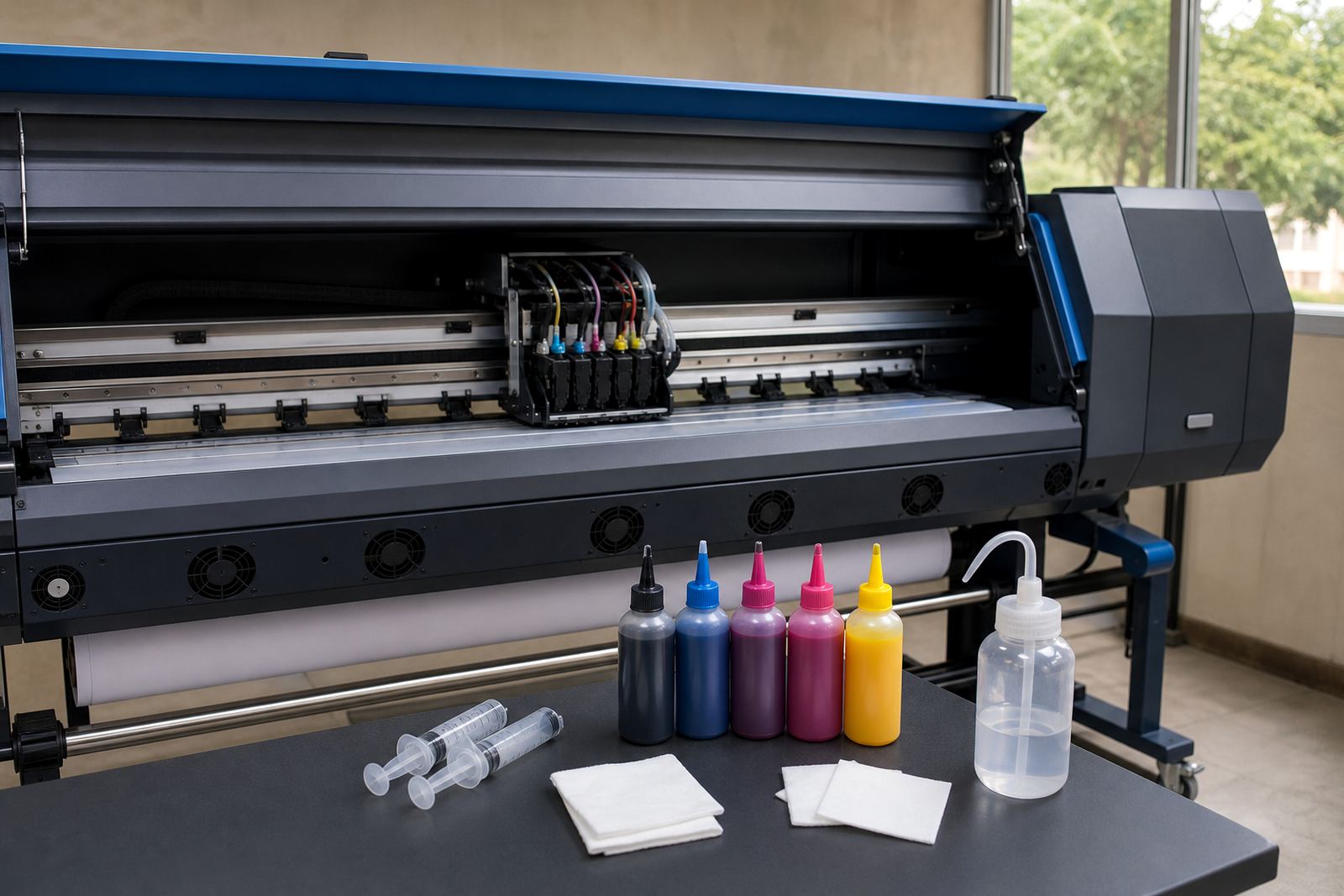
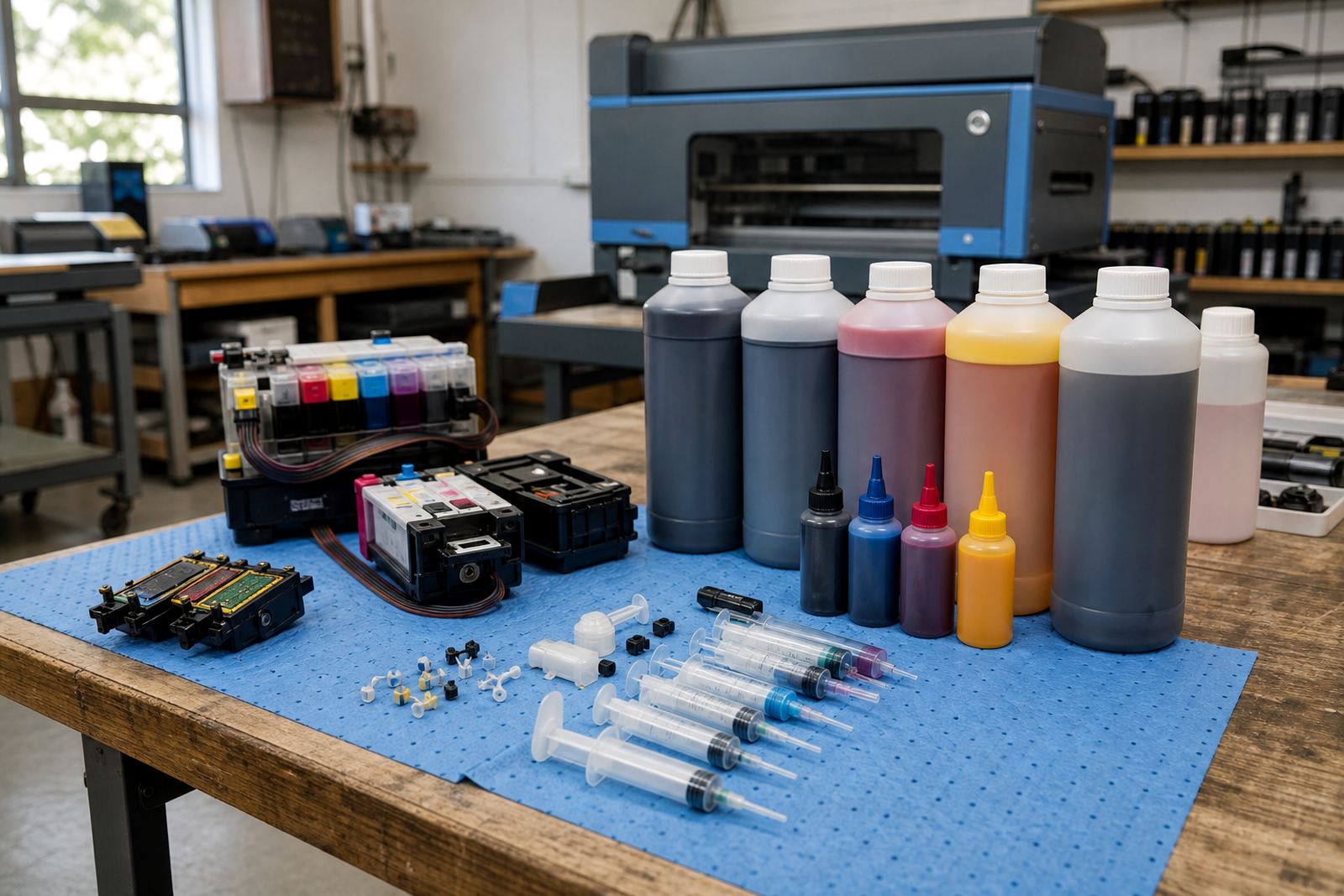
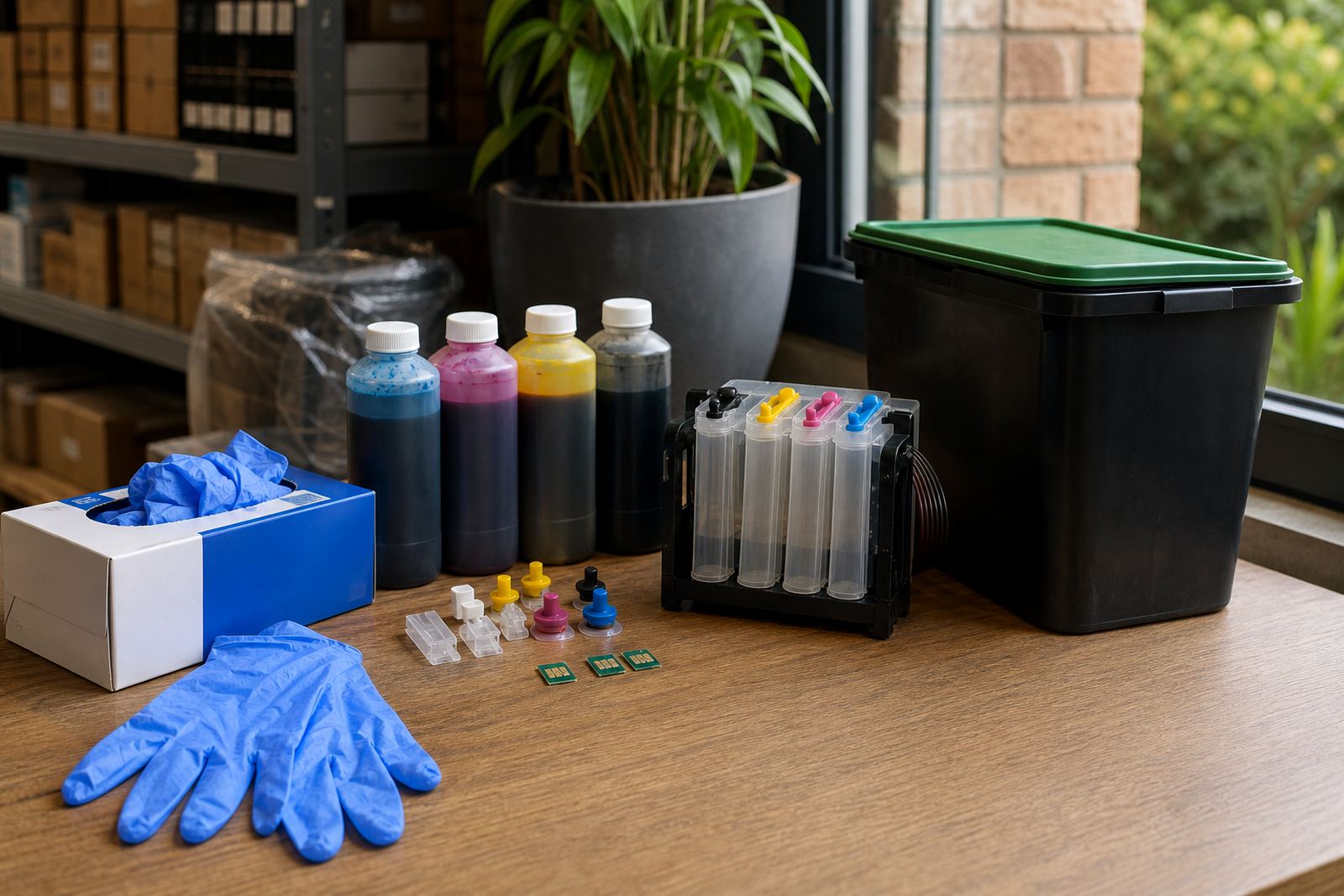
Refill kits are for users who want to top up compatible cartridges or work with a continuous ink supply arrangement. A good kit usually includes ink bottles, nozzles, syringes or funnels where needed, plus clear handling steps that reduce spills. Some setups also use reset devices or chip tools in general terms, especially where the printer needs to recognise a refilled cartridge again.
- For low to moderate office printing, a refurbished cartridge may be the easier route.
- For heavy studio output, refill kits can reduce the number of cartridge changes.
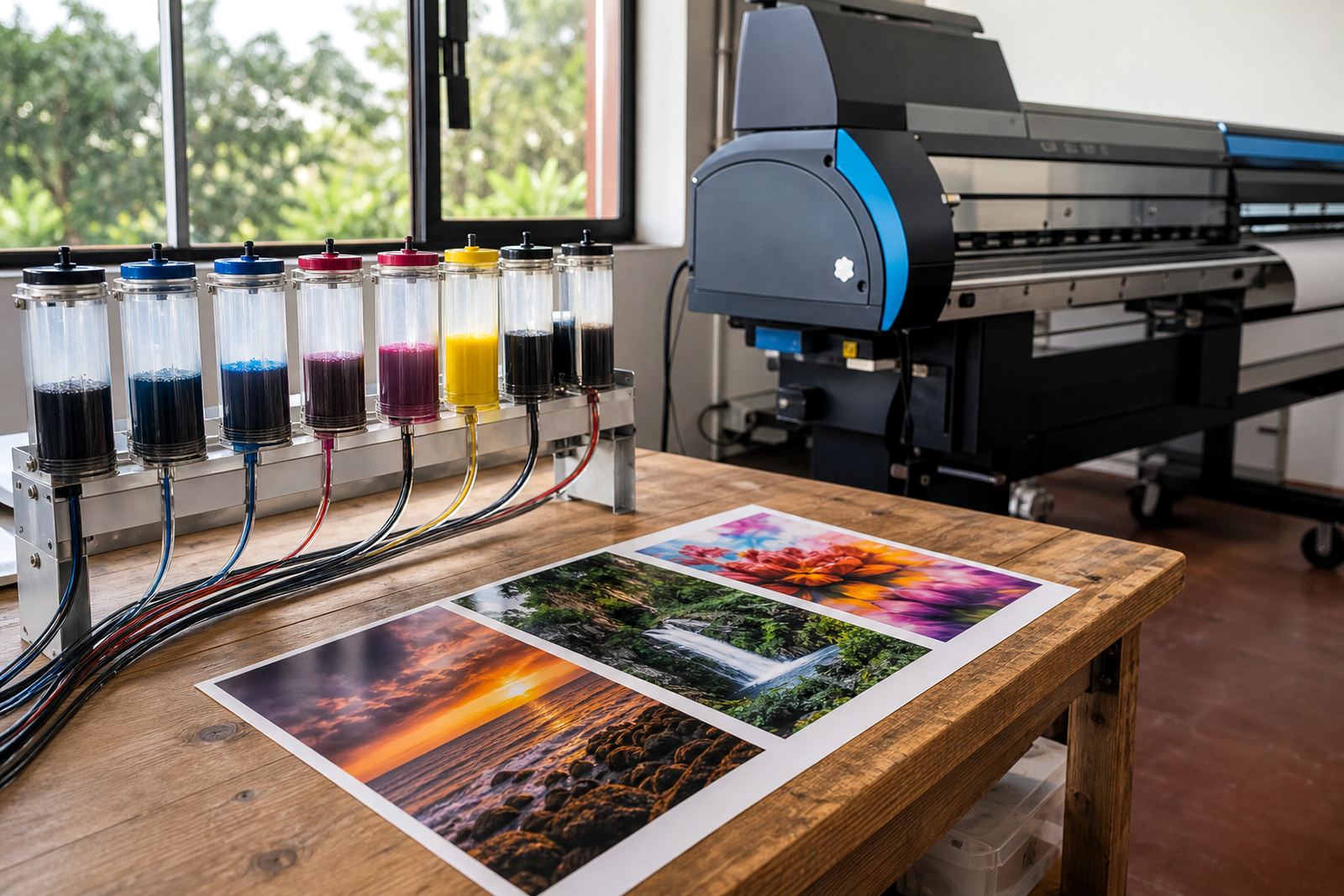
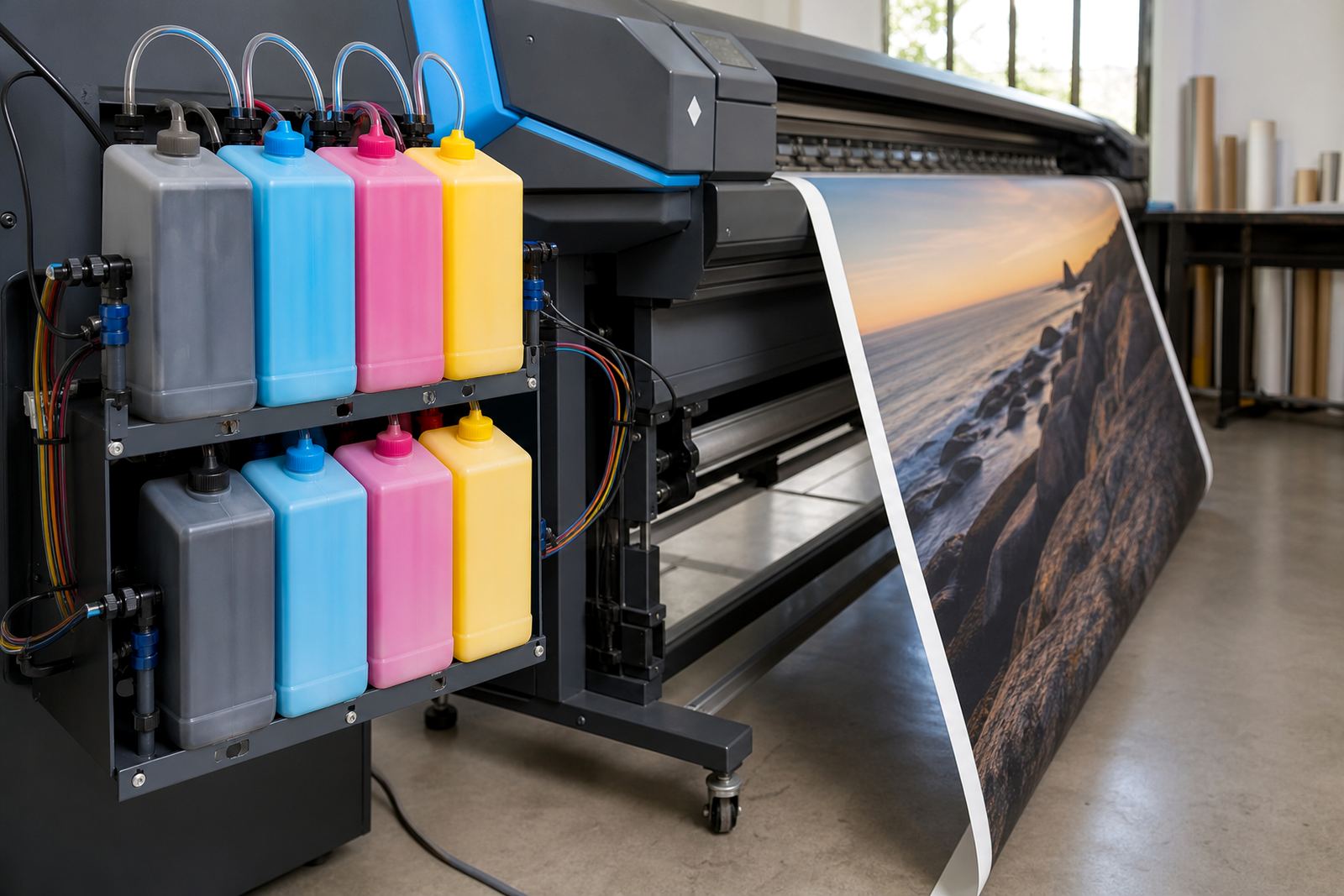
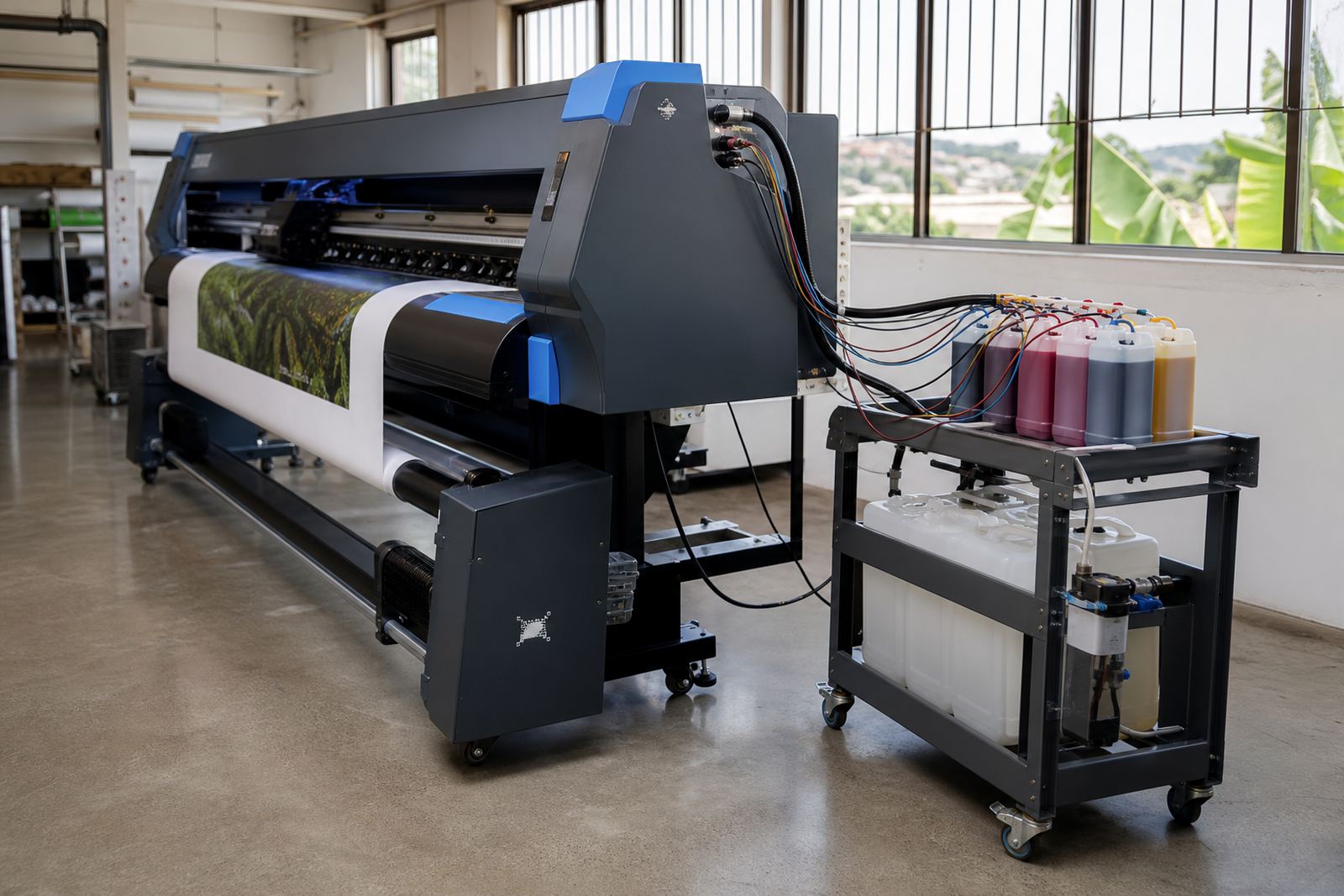
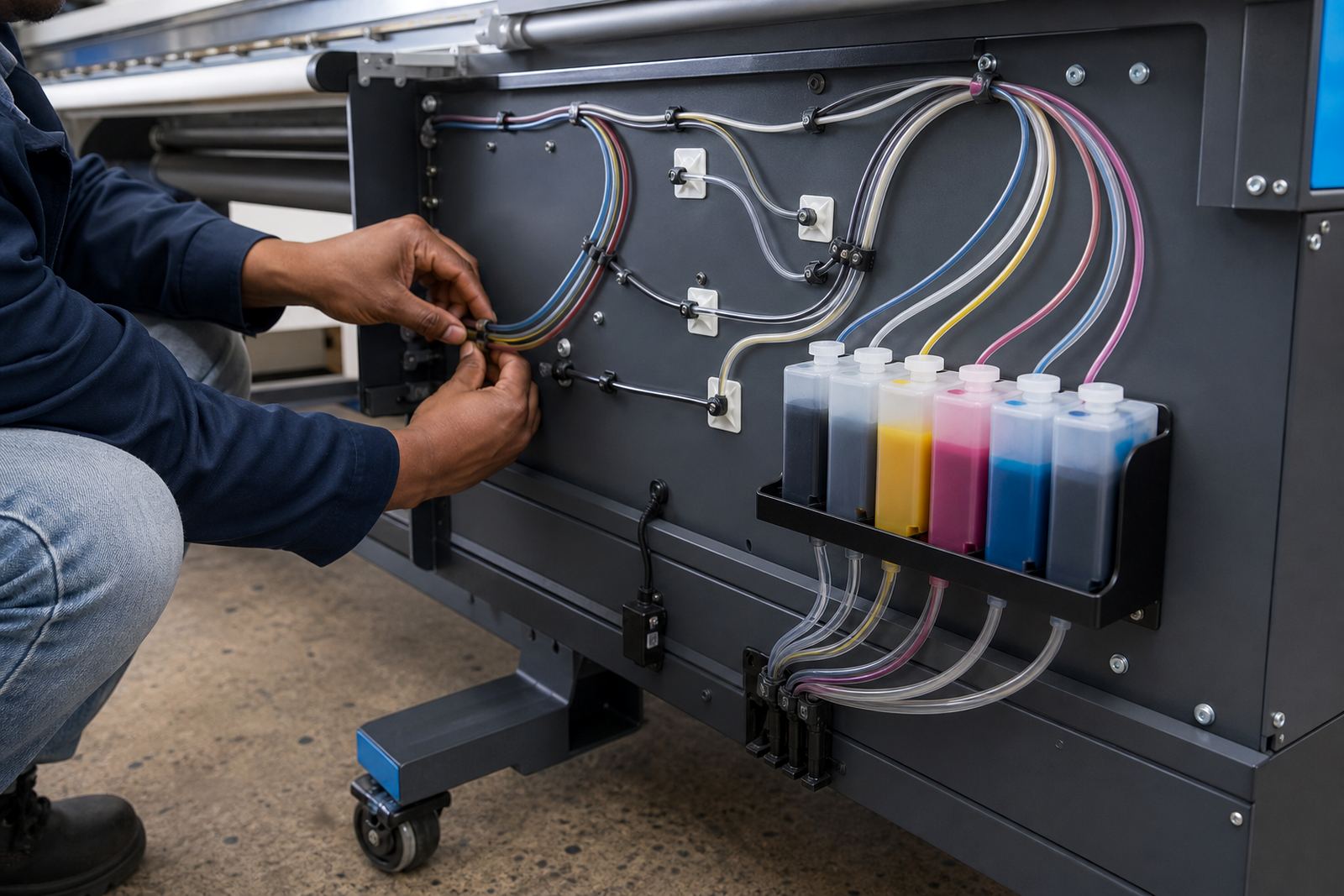
- For wide-format work, the ink type and flow need careful matching.
- For users who handle refills themselves, proper containers and seals matter.
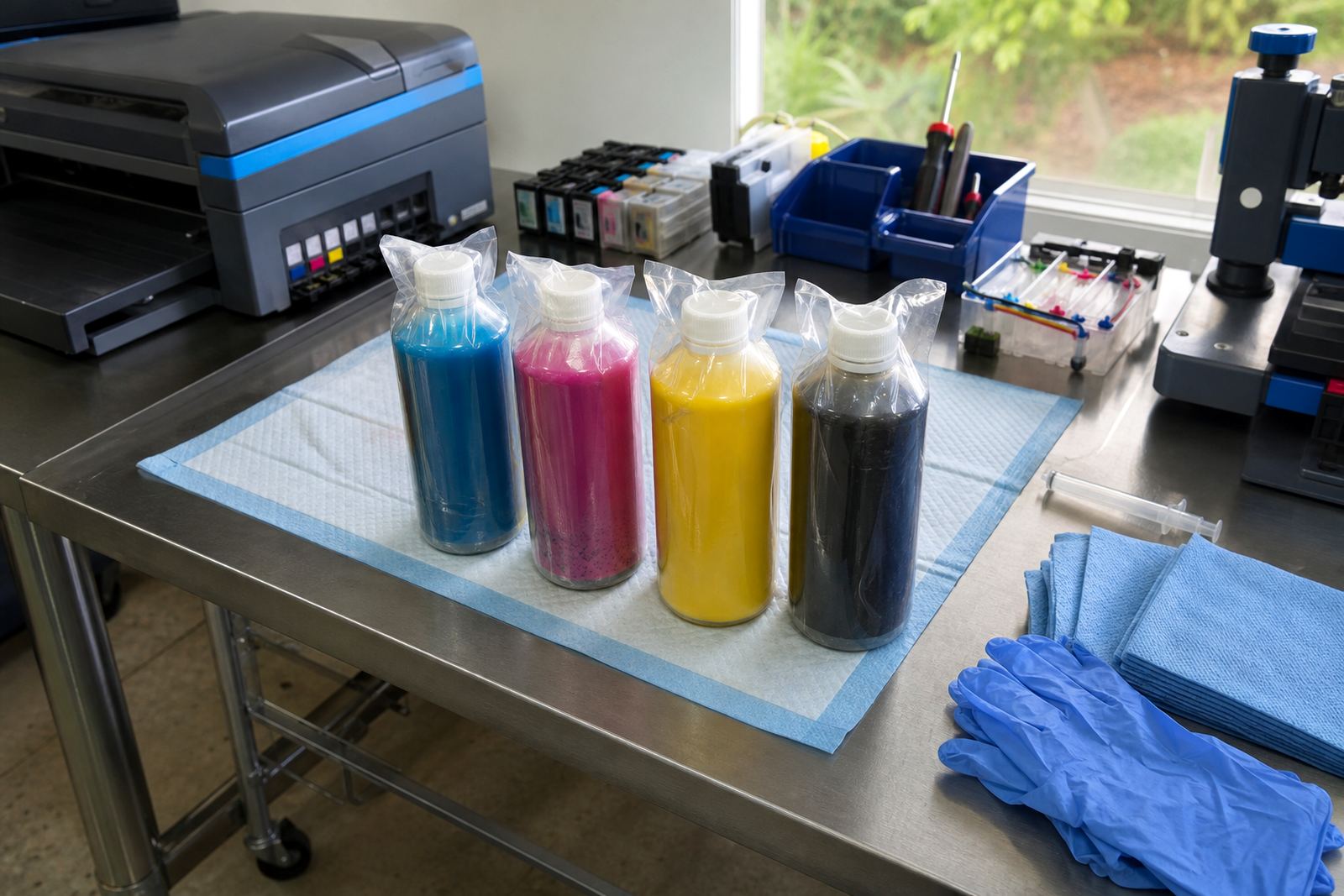
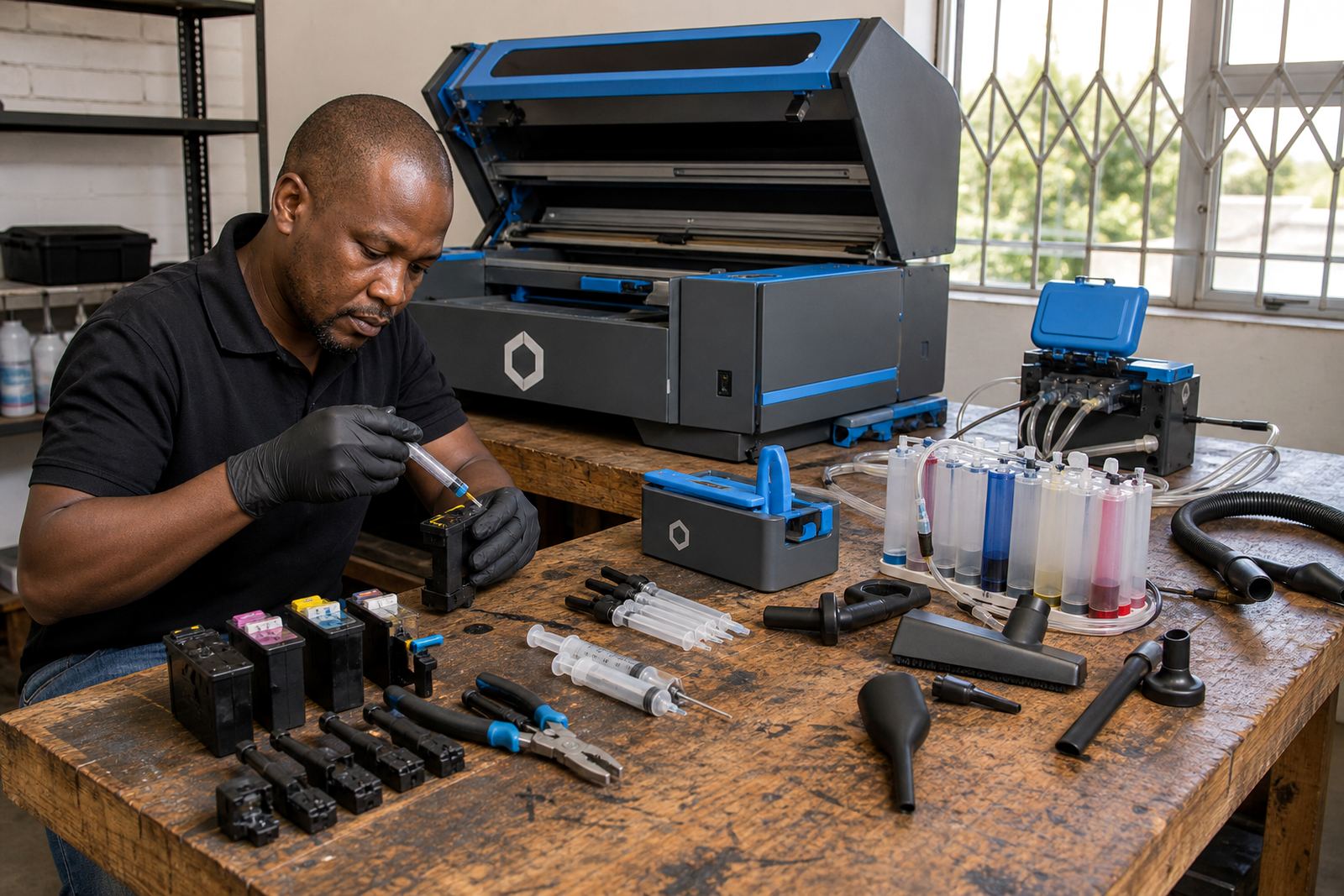
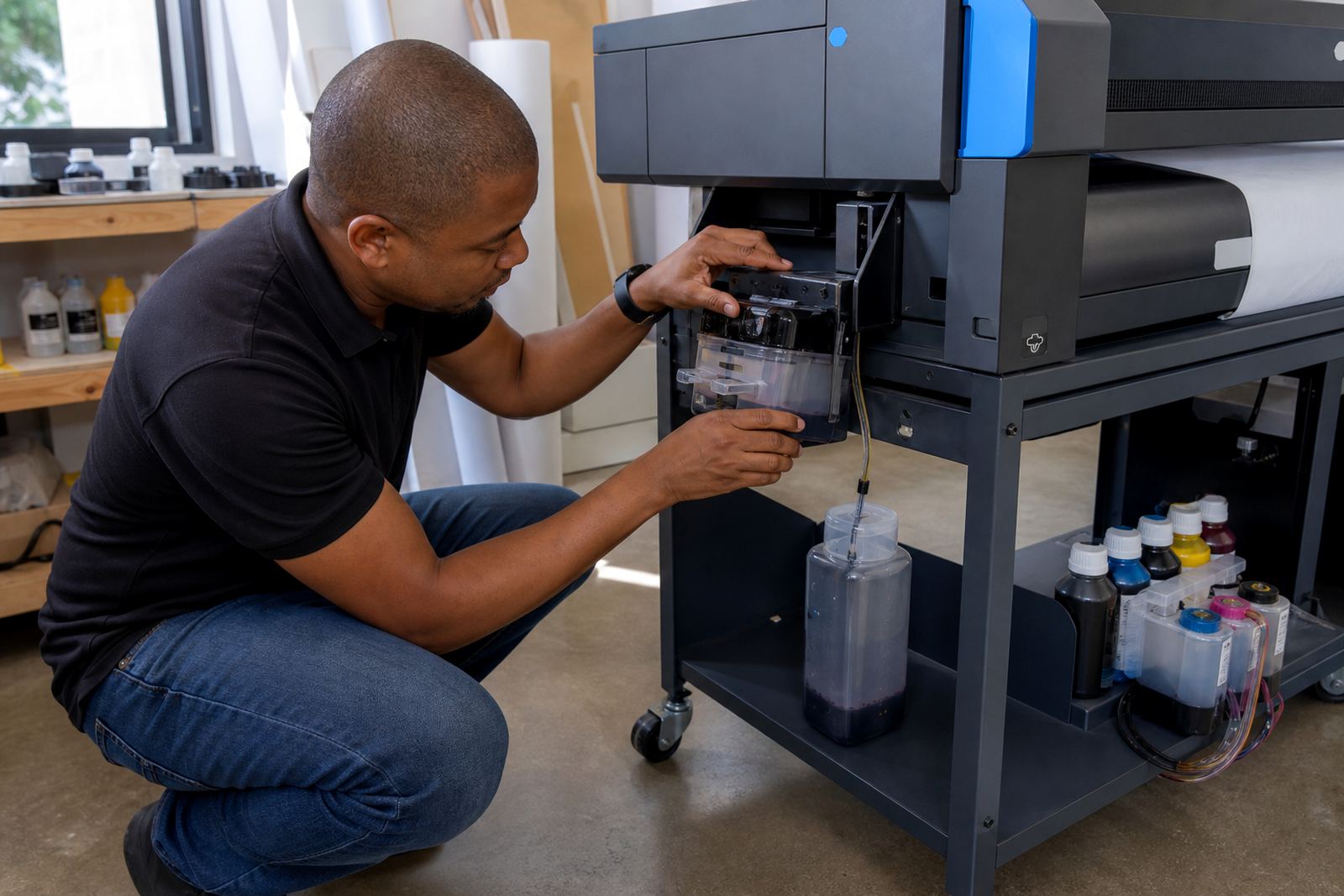
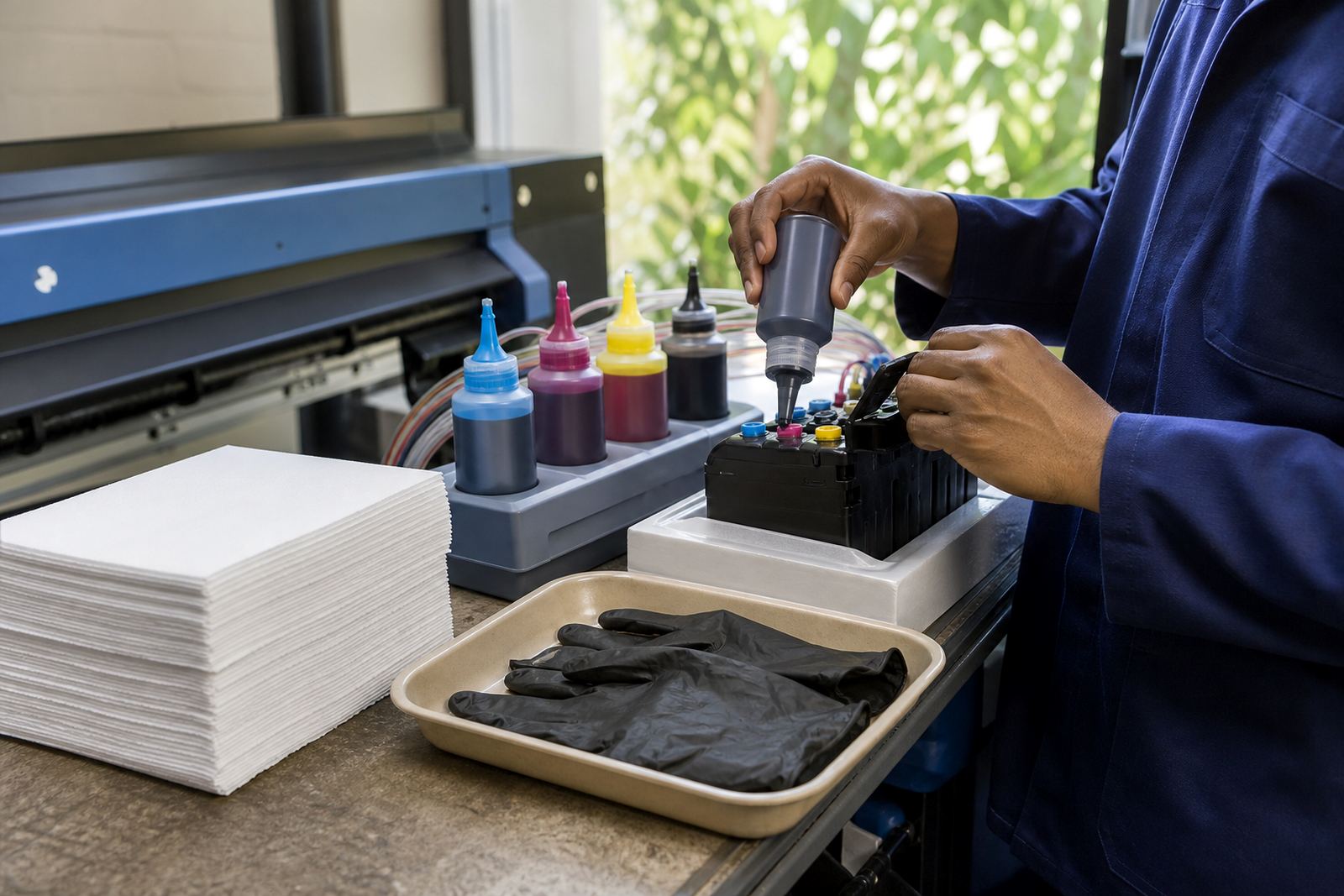
Refill work needs clean hands, a steady surface and patience around vents, chips and seals. A small splash can stain paper paths or hands, so the setup should be handled with care in a space that stays tidy, not rushed.
Choosing between dye ink and pigment ink
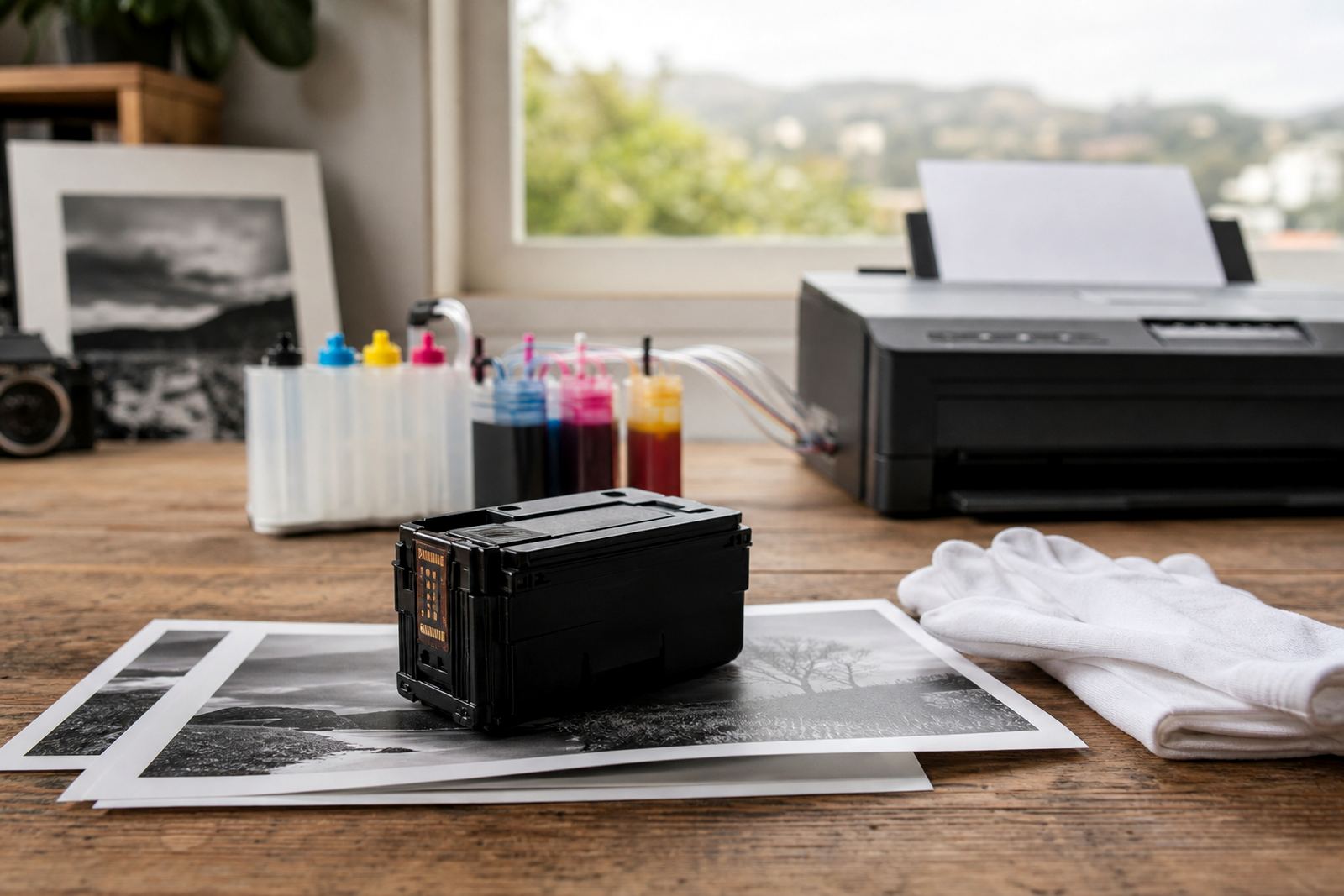
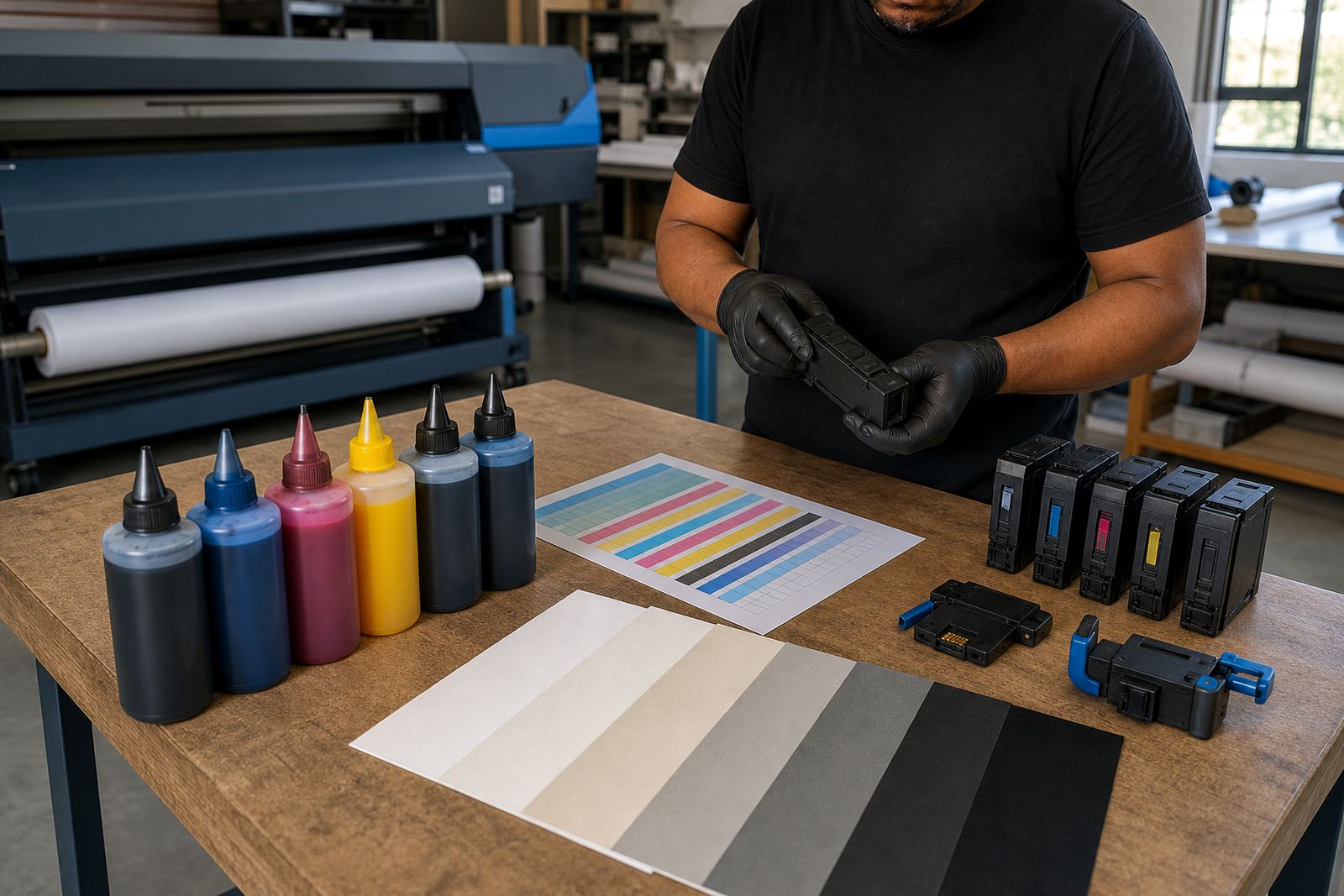
Dye ink and pigment ink behave differently on the page. Dye ink often gives bright colour and smooth tonal work on coated stock, proof sheets and many everyday papers. Pigment ink is usually preferred where sharper text, better water resistance and stronger archival behaviour are needed, especially on documents that are handled more often.
Wide-format shops, design studios and offices do not all need the same blend. A poster printer, a proofing machine and a document printer may each call for a different ink type. Matching the ink to the media helps keep colour balance steadier and reduces the chance of clogged nozzles or dull output.
Printhead care and nozzle checks
A refill system works best when the printer head is kept in reasonable condition. Nozzle checks show whether one or more lines are missing, while light cleaning can clear minor blockages before they become a larger issue. If the printer sits unused for long stretches, ink in the nozzles can dry and cause banding, pale output or missing colours.
Practical care usually comes down to a few habits. Keep the caps closed when cartridges are stored, use the correct ink for the machine, and watch the first few pages after a refill. If the print path starts showing lines or uneven colour, the issue may be at the nozzle level rather than the cartridge itself.
- Check the nozzle pattern before a large print run.
- Keep refill bottles sealed and stored upright.
- Do not mix unknown inks in the same cartridge.
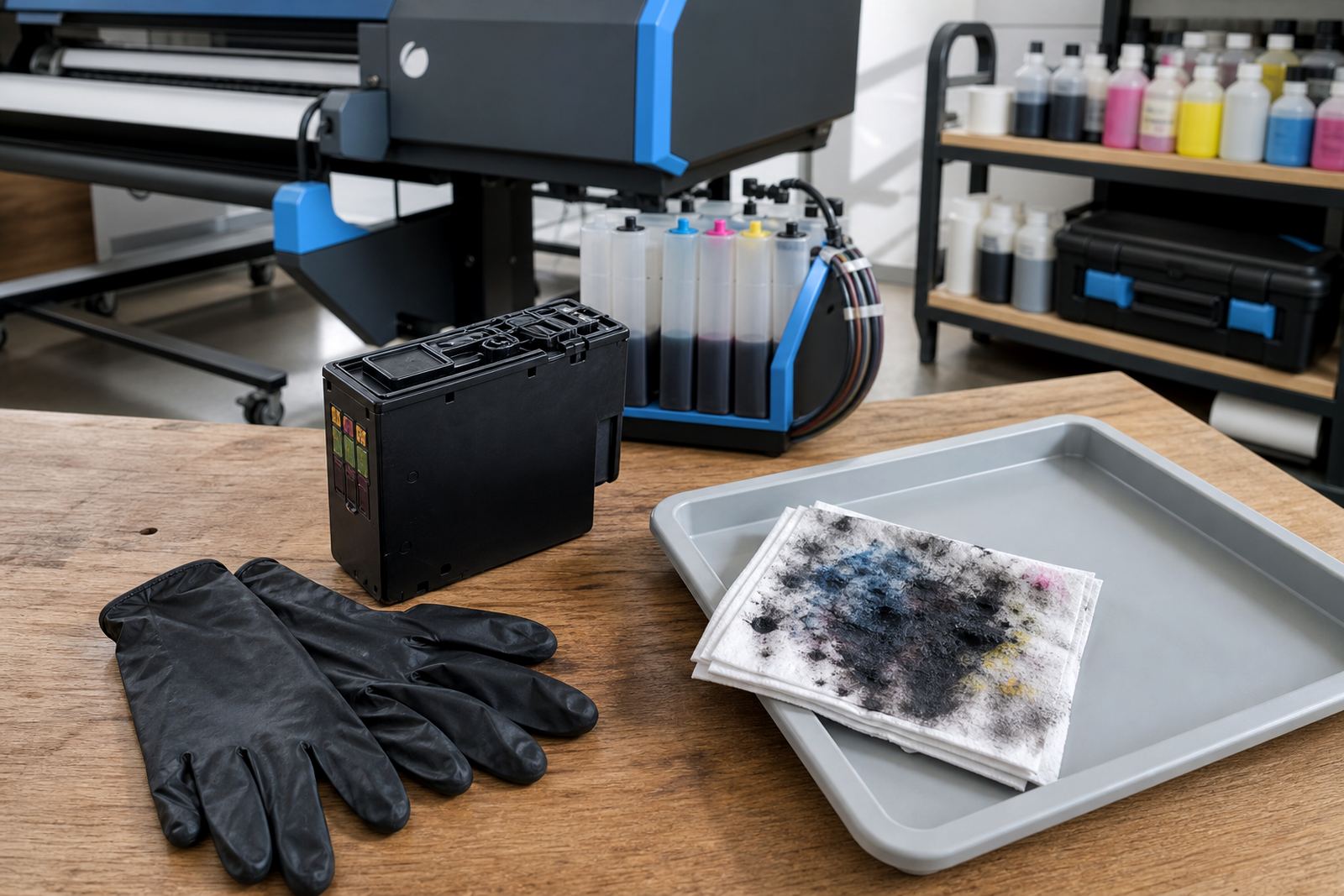
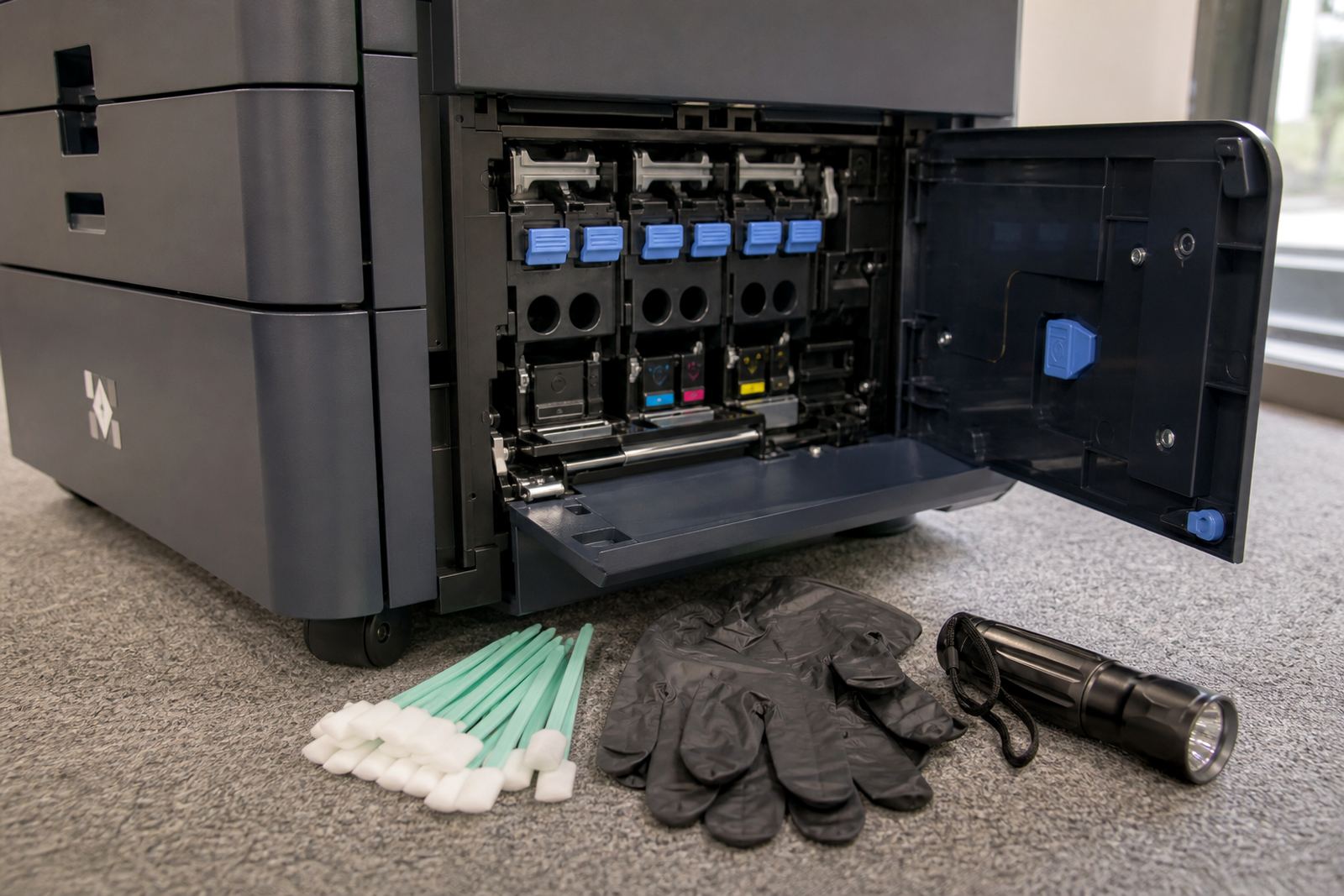
- Use clean cloths when wiping around the printer area.
Empty return and waste reduction on real jobs
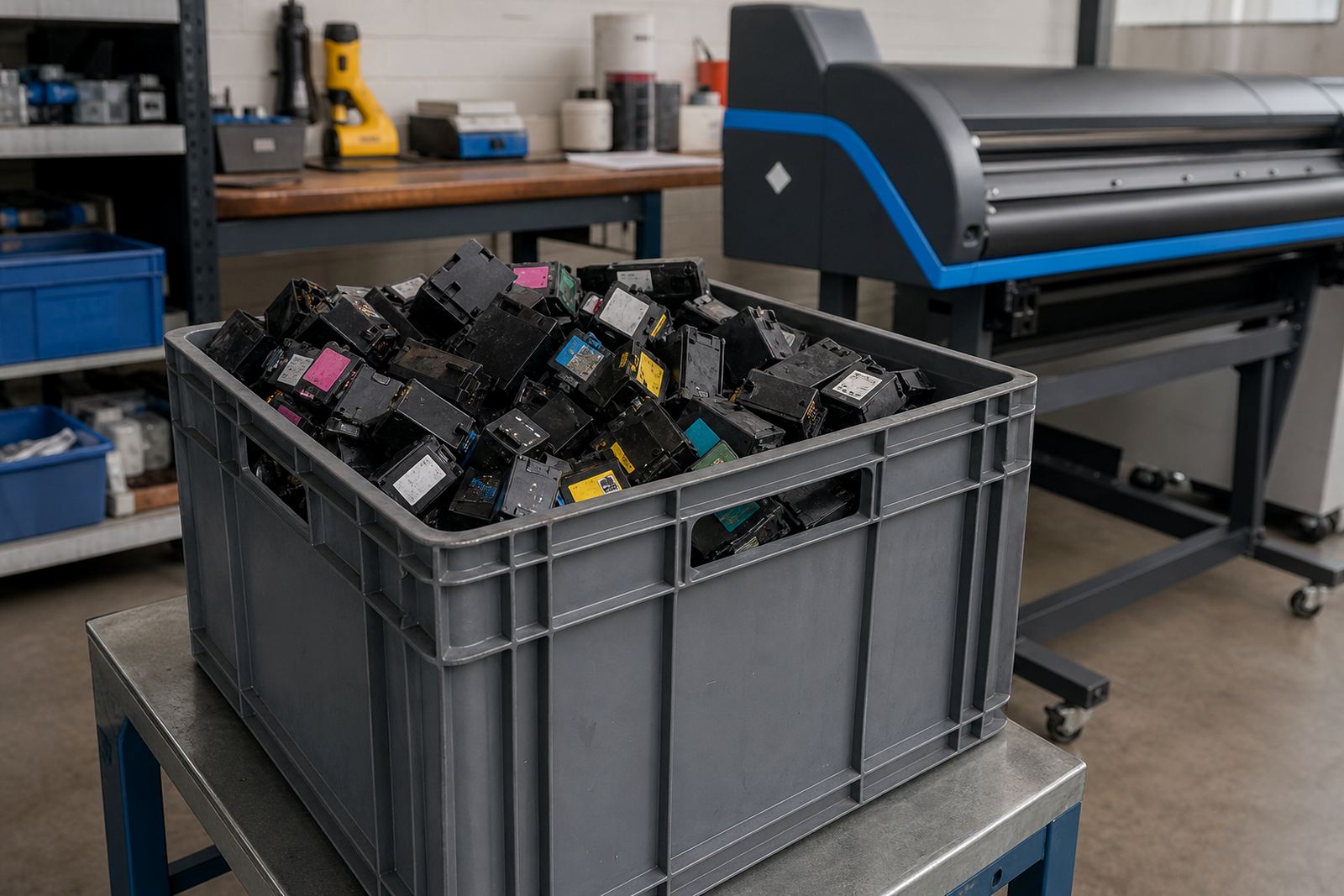
Empty cartridges do not need to become site waste straight away. With a proper return programme, used cartridges can be sorted, refilled or recycled where suitable, which helps reduce the pile of plastic and residual ink that builds up in offices and studios. That matters in busy places where printing never really stops and the waste bin fills faster than expected.
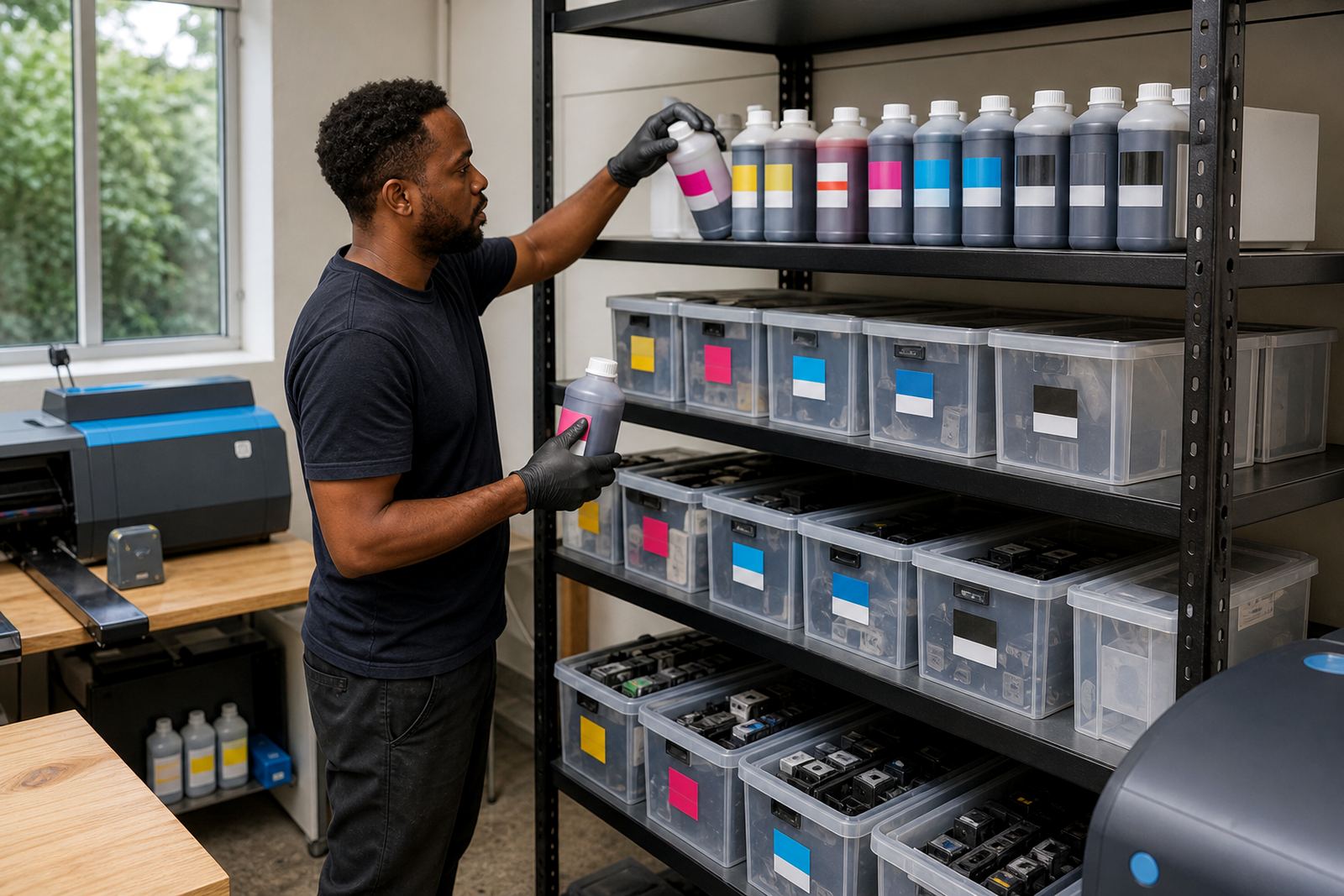
Westville, Durban and other coastal areas often deal with humidity, so storage matters as much as the refill itself. Cartridges should be kept away from heat, dust and open containers, because moisture and dirt can affect seals and ink flow. Good storage extends the useful life of the stock on hand and cuts down on avoidable spoilage.
When the job needs advice before the order
Some print rooms know exactly what they use, while others are still testing paper weights, colours and machine settings. That is where refill advice, stock planning help and operator training become useful. A team may need help deciding between a cartridge refill route and a bulk ink setup, or they may want guidance on leak checking before a larger supply is taken on.
InkEx works with offices, design studios and wide-format print shops across Durban, Pietermaritzburg, Johannesburg, Pretoria, Cape Town, Ballito and Hillcrest, with courier delivery across South Africa. For the right setup, the machine model, print volume and output type all matter, and our contact form is the easiest place to send those details.
- Cartridges for lower-volume document printing
- Refill kits for compatible benchtop or studio printers
- Bulk ink accessories for steady, high-volume work
- Support for colour balance, chip reset help and remote troubleshooting