

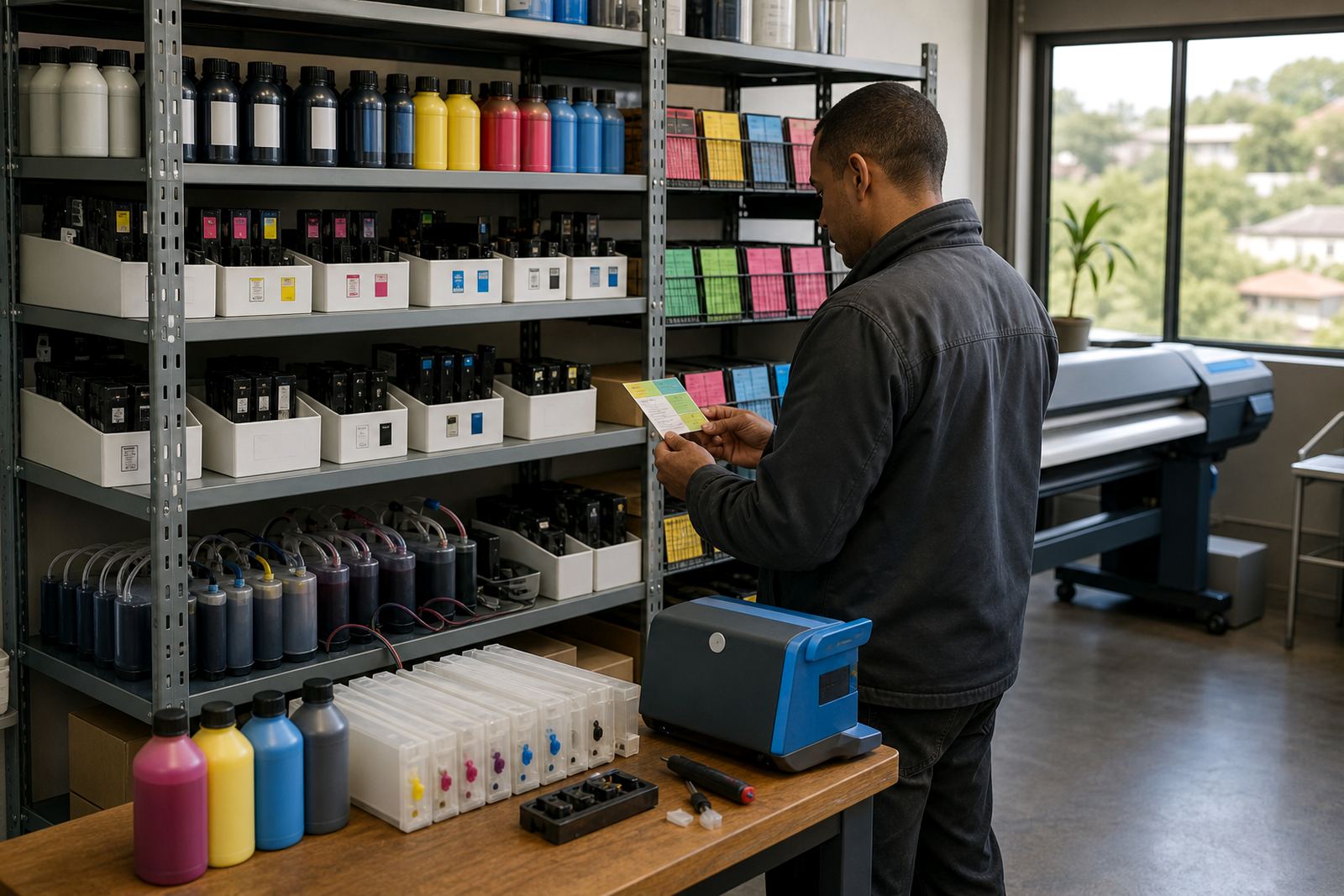
Start with the kind of printing you do
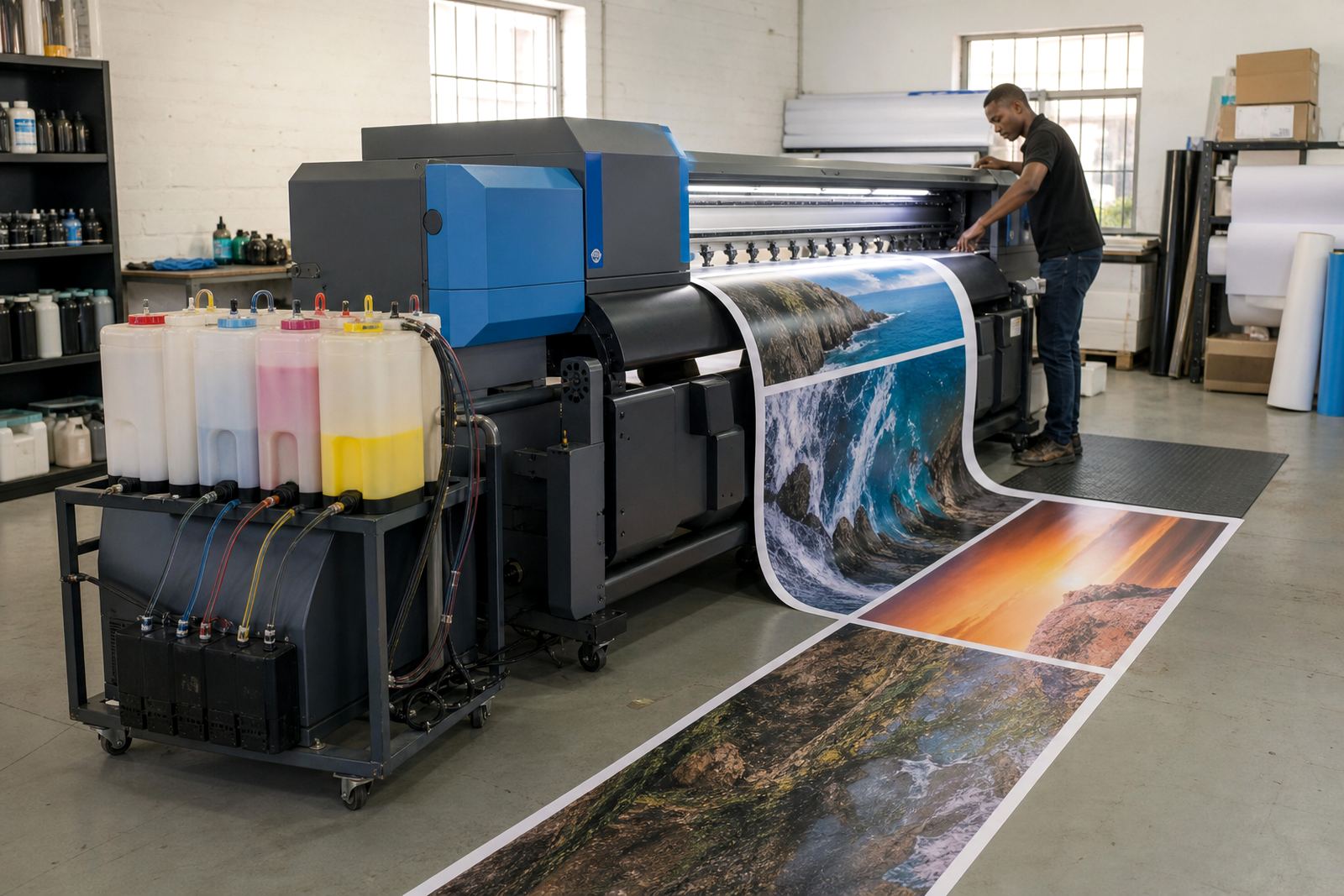
Not every workspace needs the same refill route. An office that prints reports and letters can often work well with refurbished cartridges, while a design studio or print room may need a steadier bulk ink setup for longer runs and colour consistency. Wide-format work brings its own pressure points too, especially when you are dealing with larger sheets, warmer rooms and long idle periods.
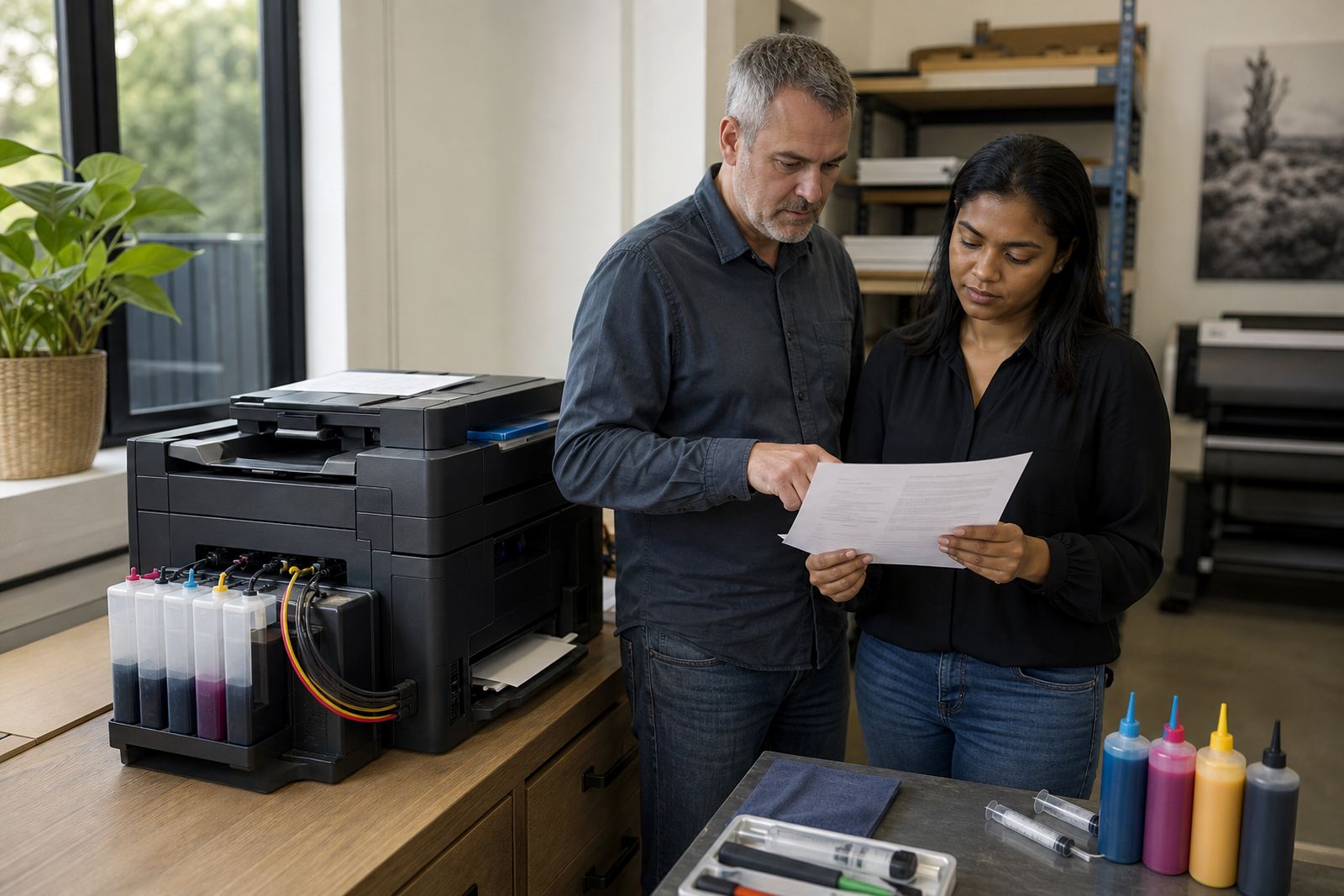
When you compare options, look at the paper you use, how often the machine sits idle and whether your output leans toward text, artwork or photo work. That gives a clearer picture than guessing from the machine model alone.
- Light office printing usually suits refurbished cartridges and basic refill advice.
- Regular colour work often needs closer ink type guidance and nozzle care.
- High-volume or wide-format jobs benefit from bulk systems and tighter stock planning.
Refurbished cartridges, refill kits and continuous ink systems
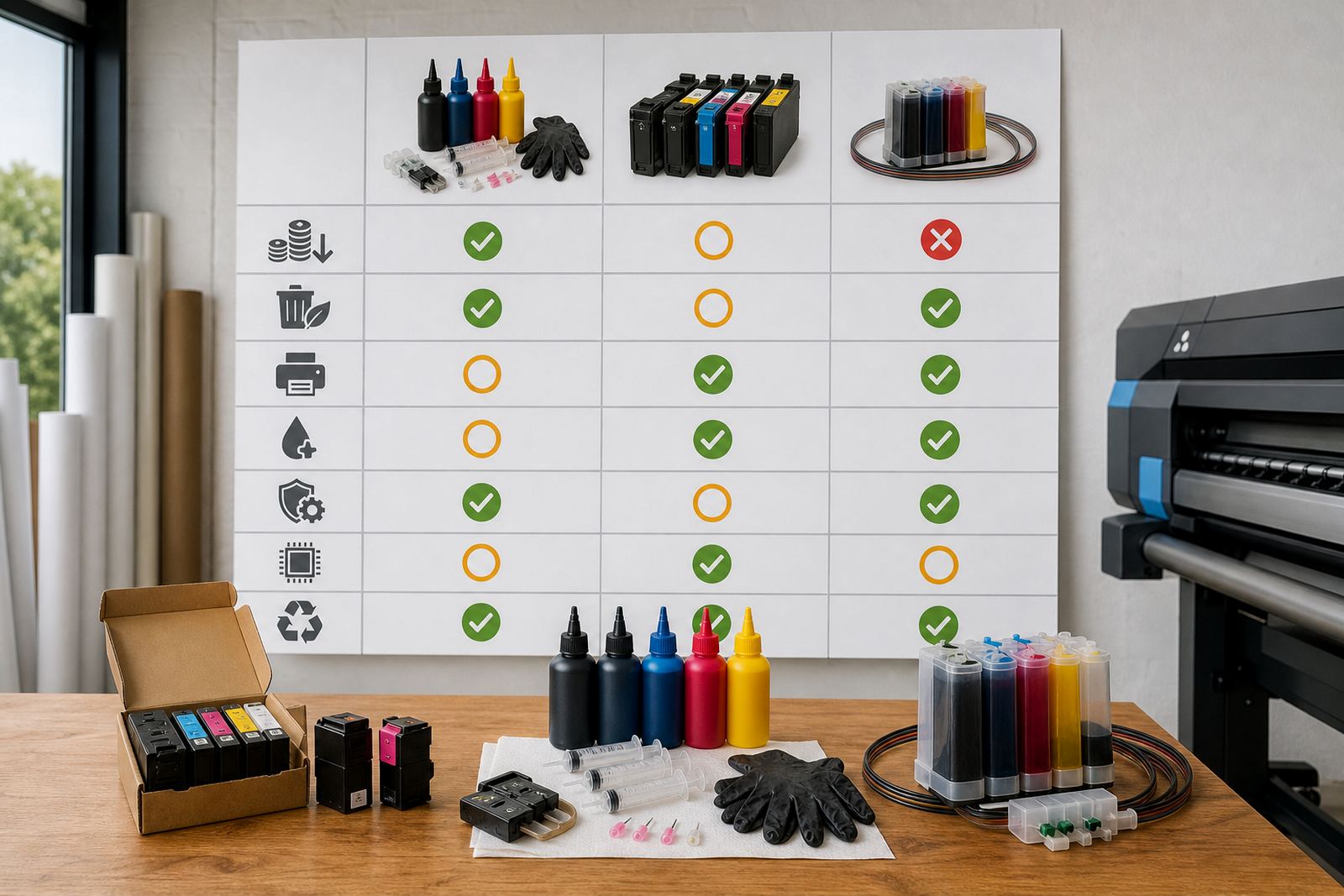
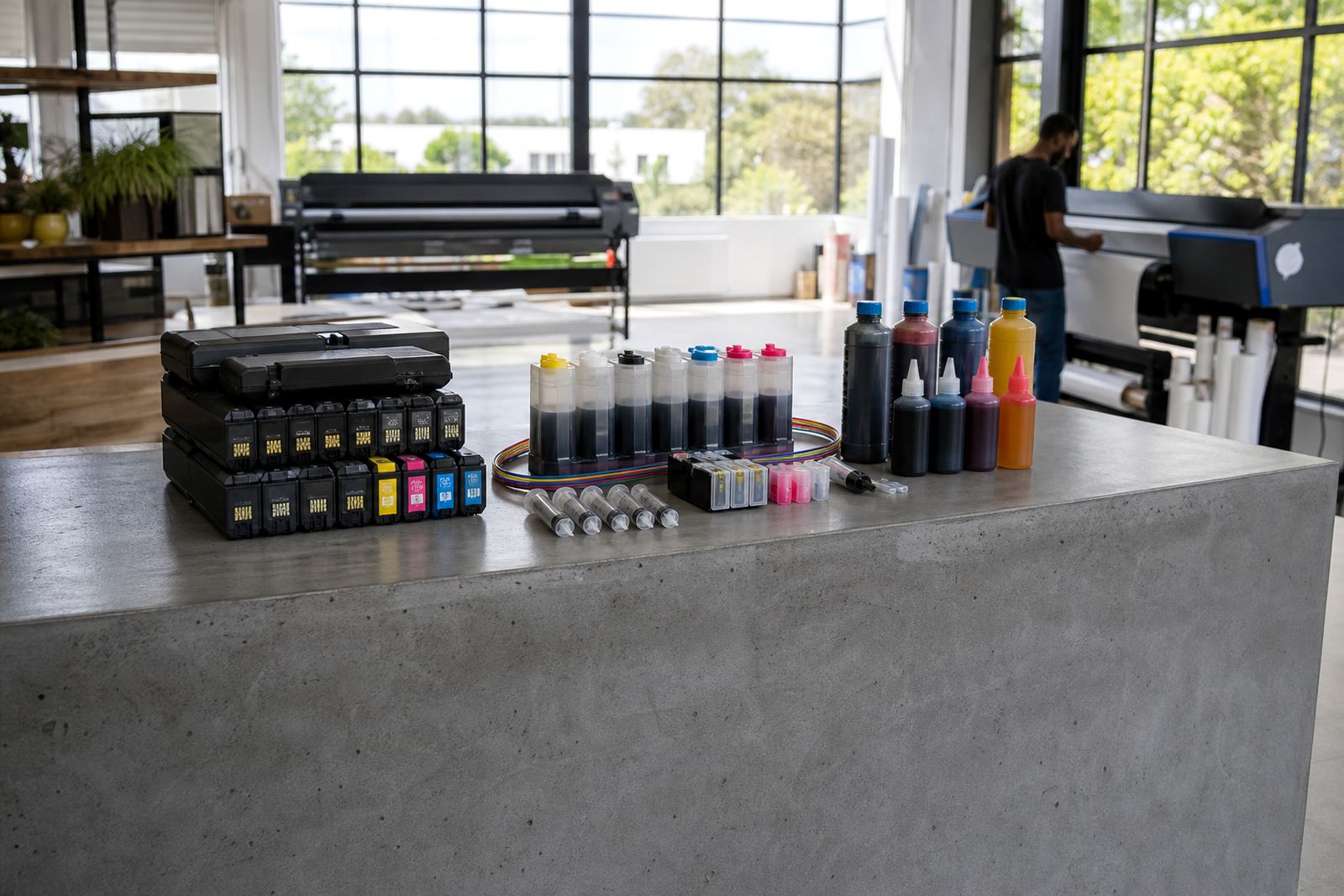
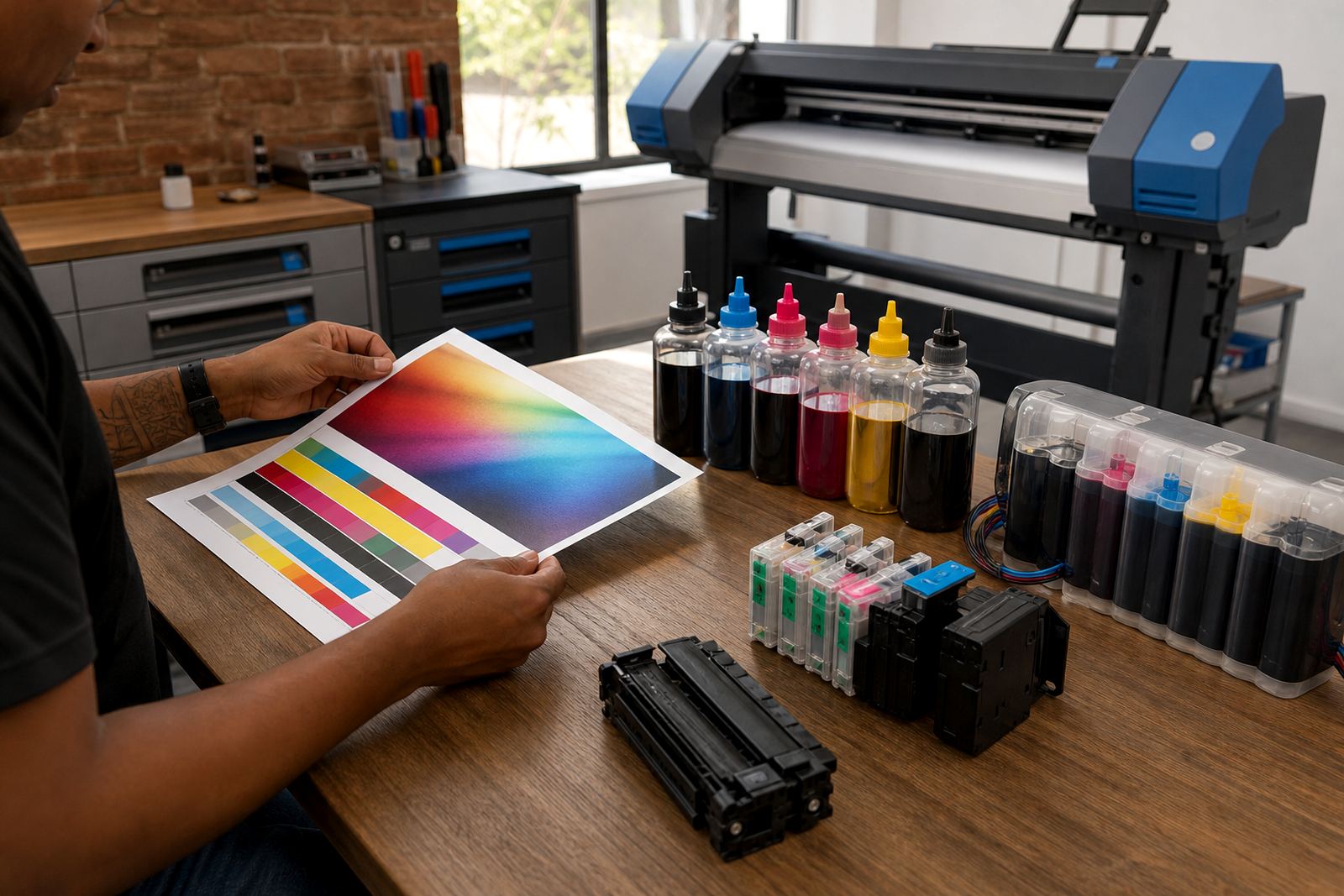
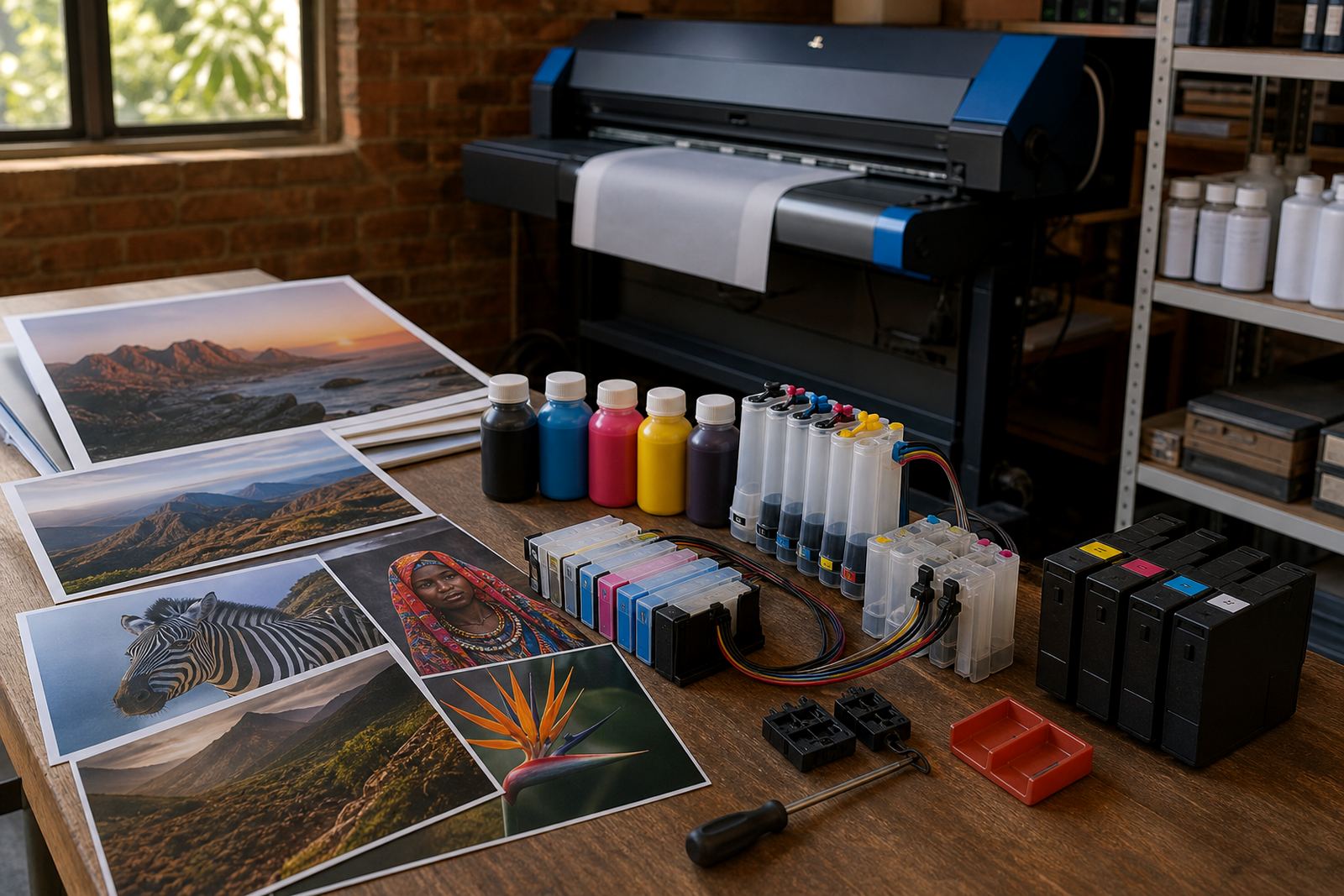
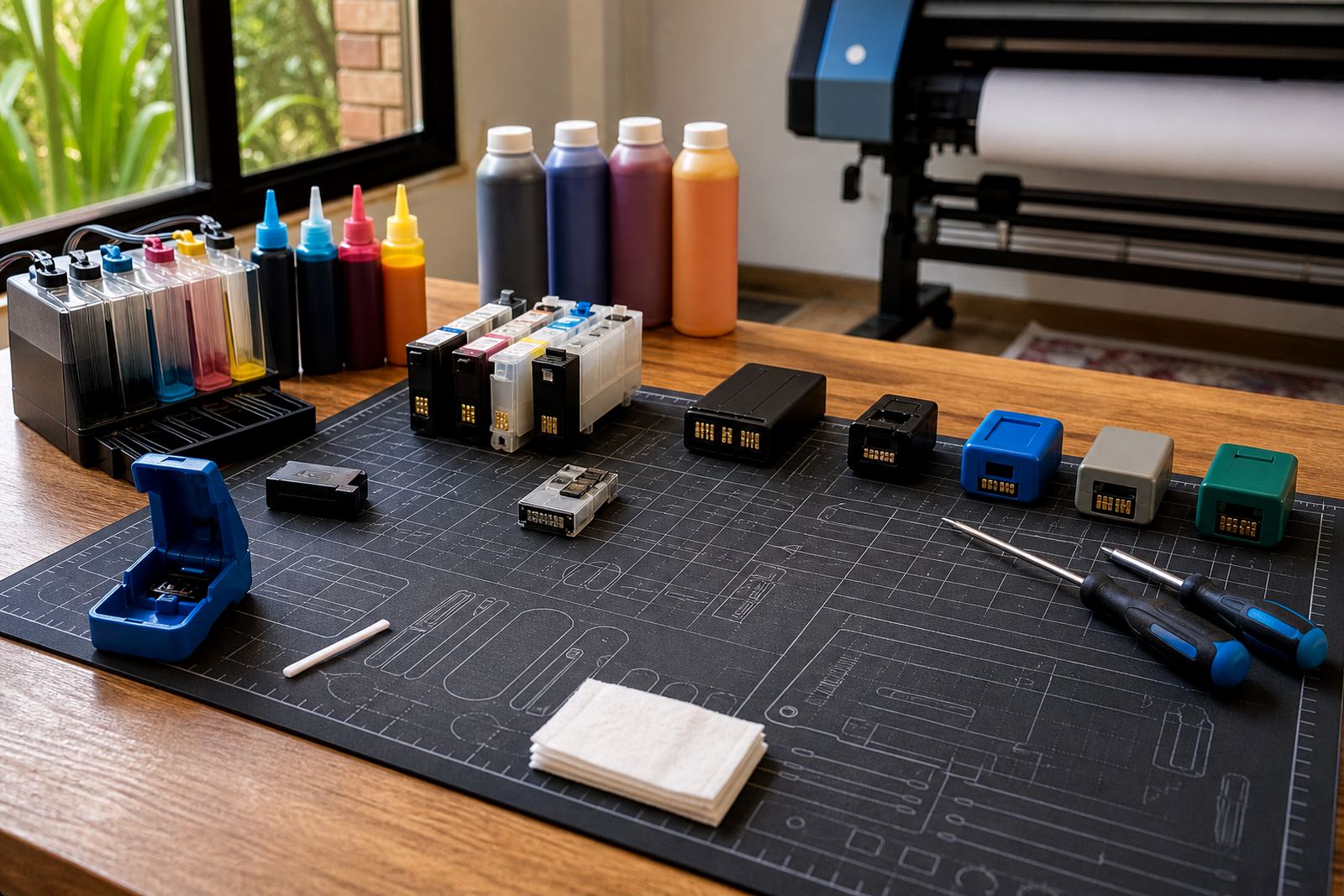
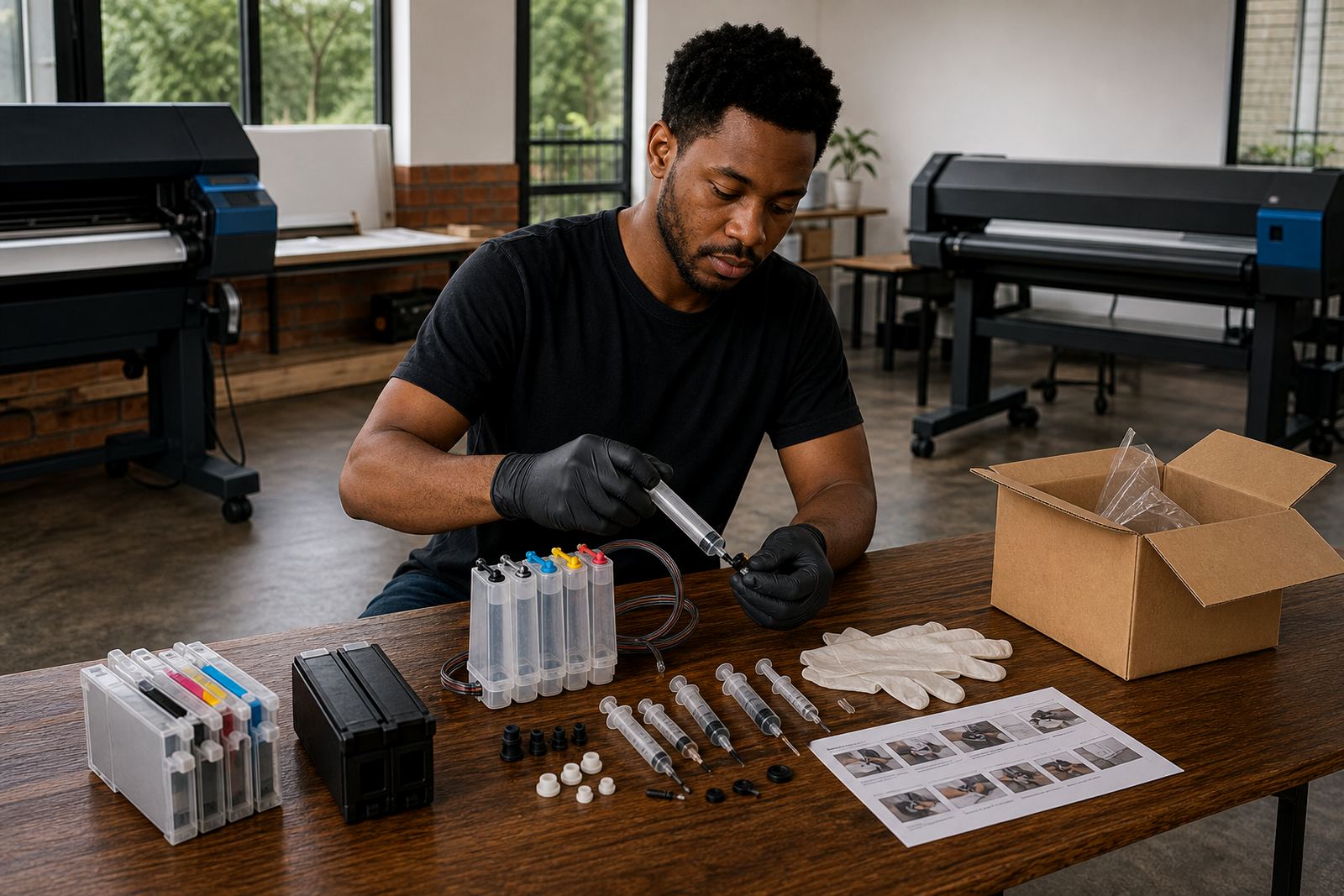
Refurbished cartridges are cleaned, tested and prepared for reuse, which can suit teams that want a lower waste route without changing how the printer is used. Refill kits suit users who are comfortable topping up ink themselves and checking that the cartridge seals properly. Continuous ink supply systems, or CISS setups, move ink from external bottles into the printer through tubes, so they can support steadier printing over time.
The practical difference is not only cost. It is also how much handling you want, how often you print and whether you are prepared to watch ink levels, check lines and keep the system clean. In humid Durban conditions, that care matters, because moisture and dust can affect storage and print quality if supplies are left open too long.
- Refurbished cartridges keep the changeover familiar.
- Refill kits need steady hands and clean workspace habits.
- CISS setups suit frequent printing and planned ink use.
Choosing between dye and pigment ink
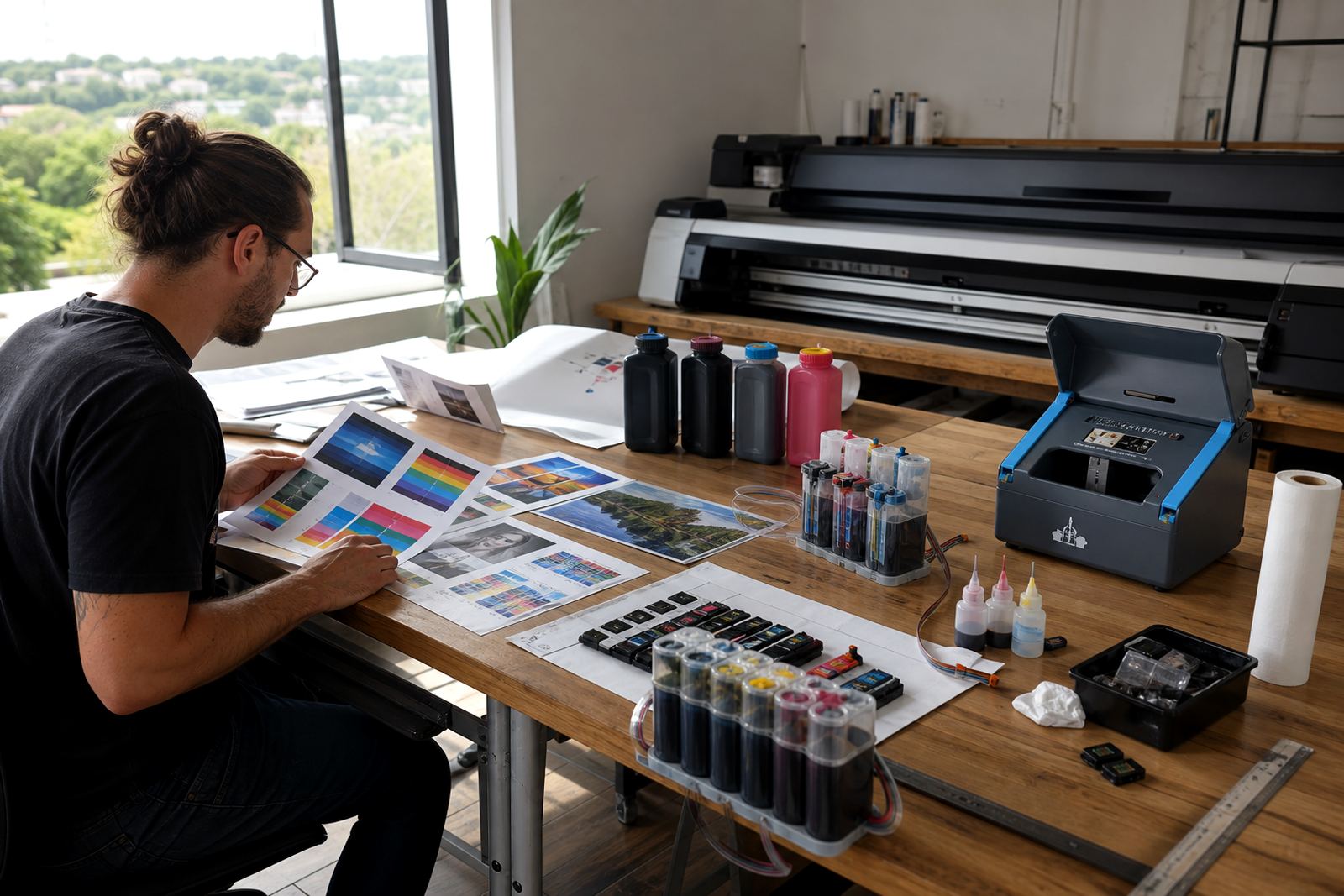
Dye ink and pigment ink behave differently on the page. Dye ink often gives vivid colour and works well for smooth photo output and general office colour prints. Pigment ink usually offers stronger resistance to smudging and water, which makes it useful for documents that need longer life or sharper line work. The wrong choice can affect drying, colour balance and even nozzle health.
If you print artwork, proof sheets or documents that must hold up in handling, the ink type needs proper thought. For mixed use, it helps to separate the paper type and output standard before deciding. That is where colour balance help and printhead care become part of the same conversation.
- Dye ink suits bright colour and many everyday print tasks.
- Pigment ink suits harder-wearing pages and some technical output.
- Paper choice changes how each ink settles and dries.
The maintenance habits that save trouble
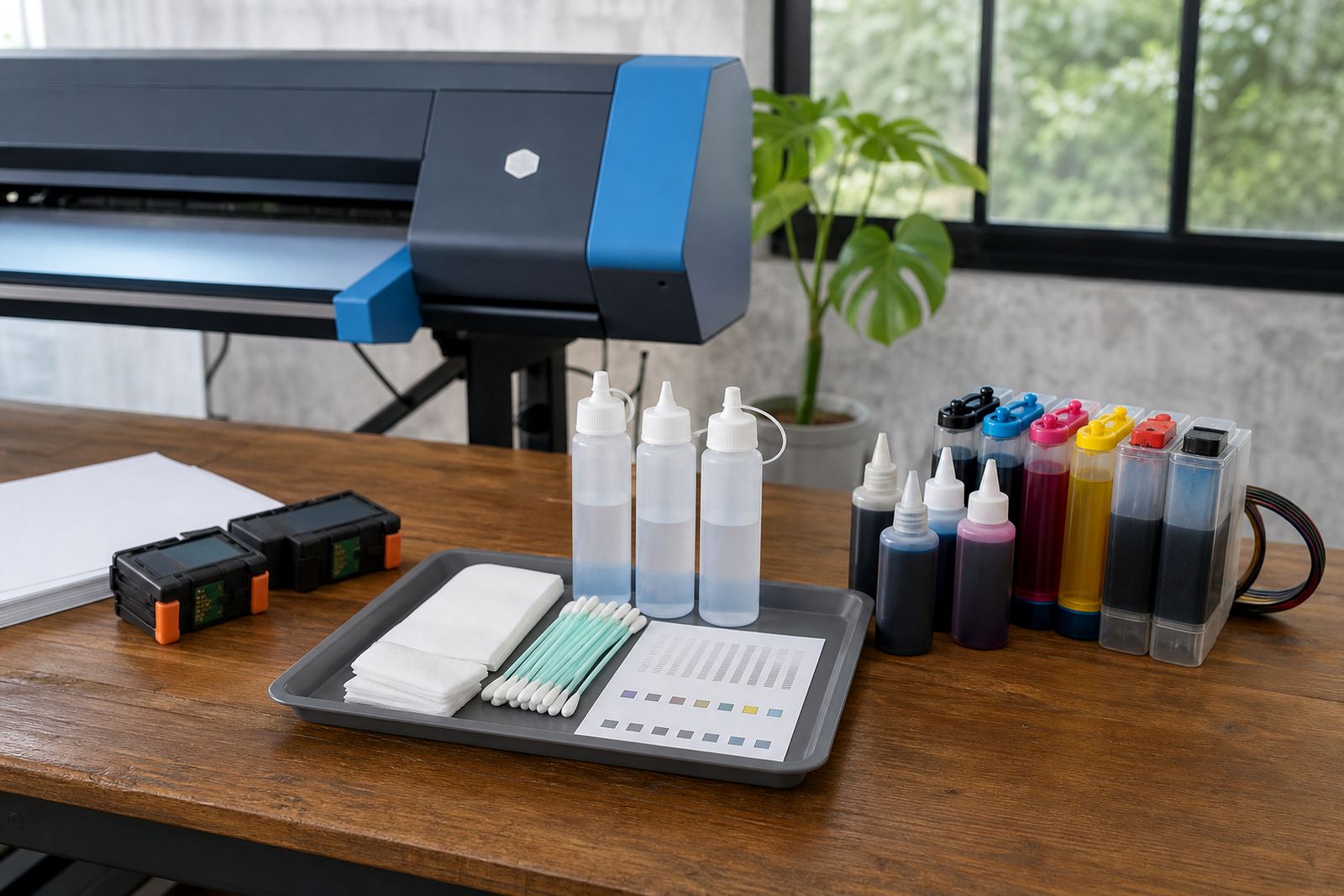
Bulk systems and refill cartridges both need basic care. Printheads should be kept active, nozzles checked from time to time and leaks dealt with before they spread inside the machine. If a printer sits unused for too long, dried ink can block flow and lead to uneven lines or missing colours. A small routine is usually better than waiting for a fault to grow.
Chip reset help, leak checking and nozzle check support all sit in this part of the process. They are not flashy tasks, but they keep the system honest. For offices and studios that print every week, operator training can save a lot of wasted paper and frustration.
- Run nozzle checks before a long job starts.
- Store bottles upright and closed tightly.
- Keep the print area clean and dry.
When refill planning matters more than the printer
Some buyers focus only on the machine, then run into supply trouble later. The better question is often how many pages you print, how many colours you use and whether you need stock ready for a busy month. A studio in Johannesburg may need a different plan from a small office in Hillcrest, even if the printers look similar on paper.
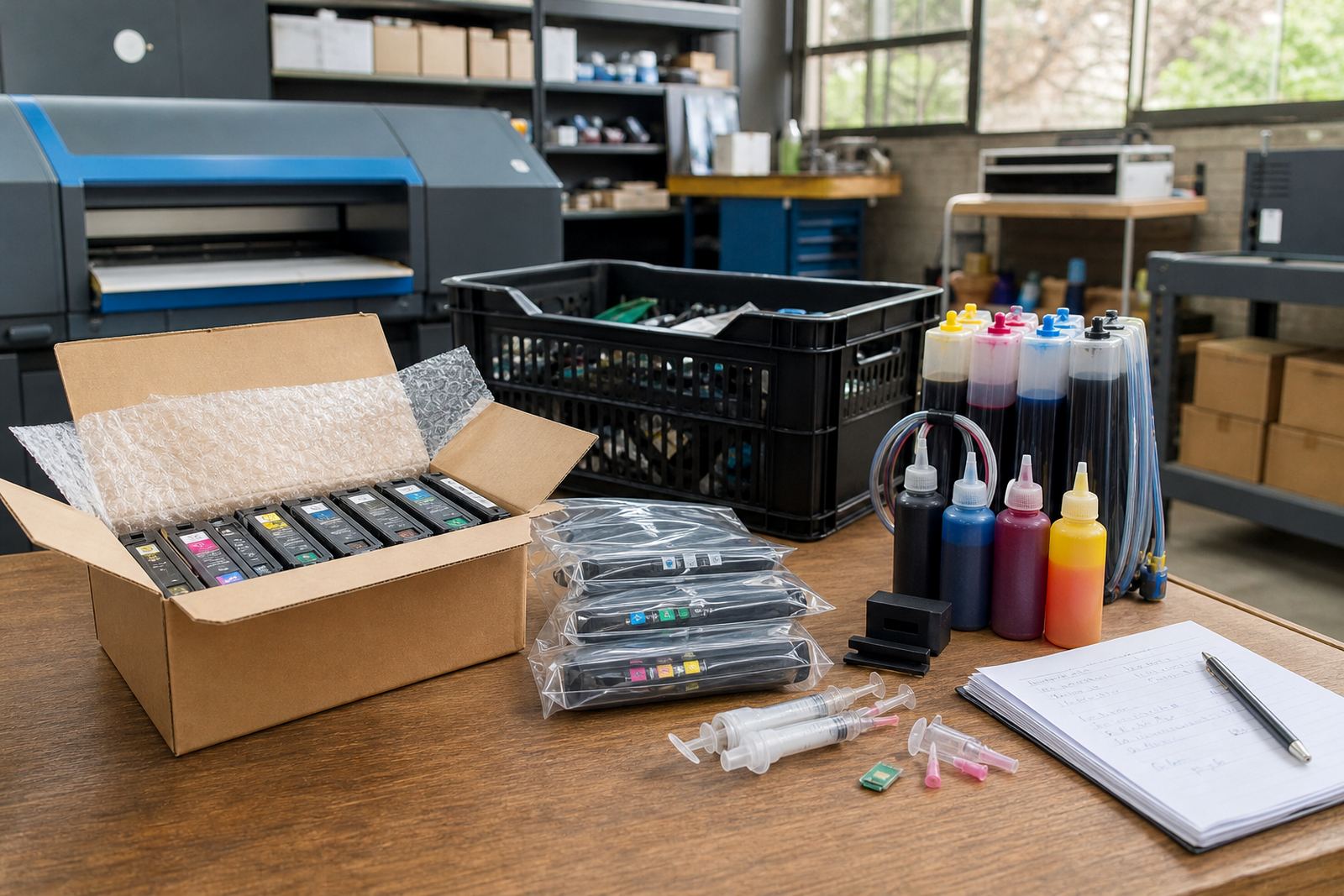
Courier delivery across South Africa helps, but planning still matters. If you know your usage pattern, the refill route can be matched to it before you run low. That is also where stock planning help and empty return programmes can trim waste and keep your shelves in better order.
- Frequent printing needs steadier ink access.
- Mixed colour work needs clearer stock control.
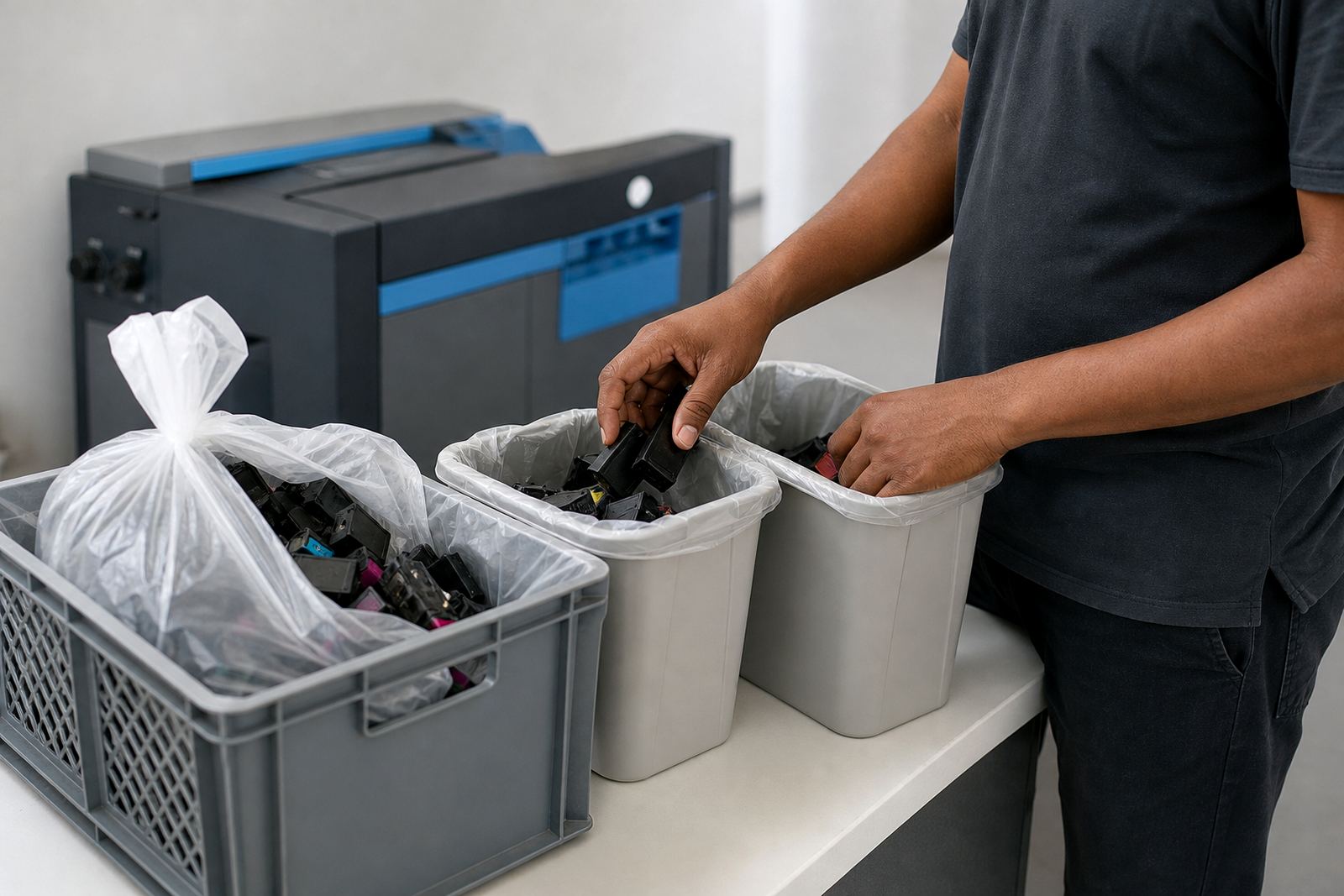
- Empty cartridges can be set aside for recycling or return.
How the guides are meant to be used
This hub is for buyers who want to compare the options before selecting a cartridge or bulk system. The listing cards that sit below this section go into the specific choices, while these guides explain the thinking behind them. You can use them to line up your print volume, maintenance tolerance and output type, then narrow the field with less guesswork.
In practice, the best choice is usually the one that fits your normal week, not the busiest day in the month. That means looking at refill effort, ink behaviour, print quality and the amount of care your team can realistically keep up.
- Match the guide to your print habits first.
- Compare upkeep before comparing price.
- Use the right ink type for the job at hand.