A mat pack built for ink handling, not a kitchen bench
This pack is meant for the sort of work done in offices, studios and print rooms where ink is poured, topped up and checked by hand. The top layer catches small spills before they spread under cartridge trays, refill bottles or nozzle check sheets, while the backing helps keep liquid from tracking through to the table surface. For Westville and Durban workrooms that deal with humidity and regular rinse-downs, that extra barrier matters because damp surfaces can make cleanup more drawn out.
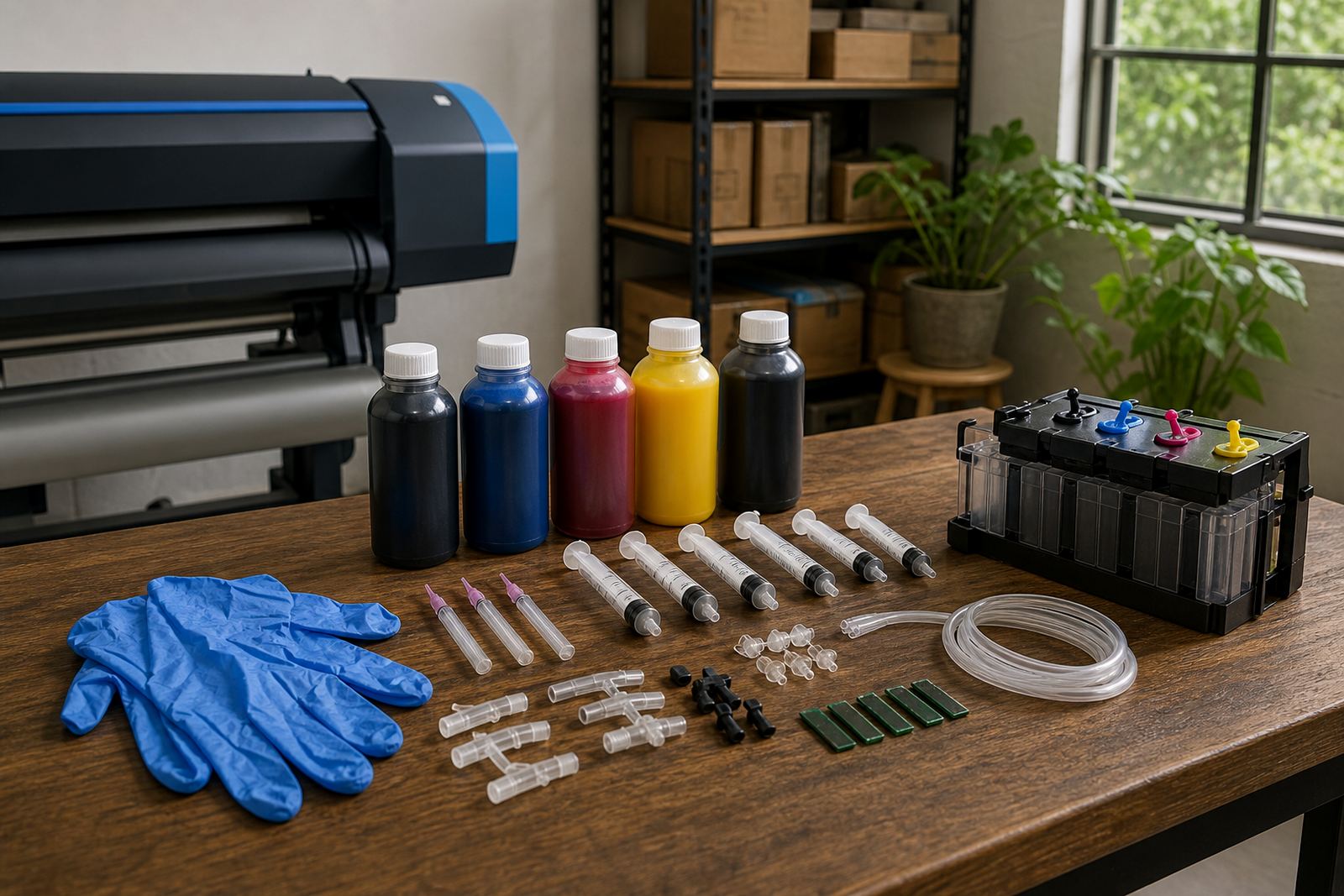
The pack suits tasks that leave a fine trail of dye ink, pigment residue or cleaning fluid around the station. It is also useful where technicians swap cartridges often and need a clean place to set caps, seals and small parts without chasing them across the bench.
- Absorbent top layer for ink drips and minor spills
- Protective underside for benches and shelving tops
- Useful in refill rooms, studio counters and dispatch tables
- Helps separate clean stock from wet work
Sizes and pack formats that make sense on a real bench
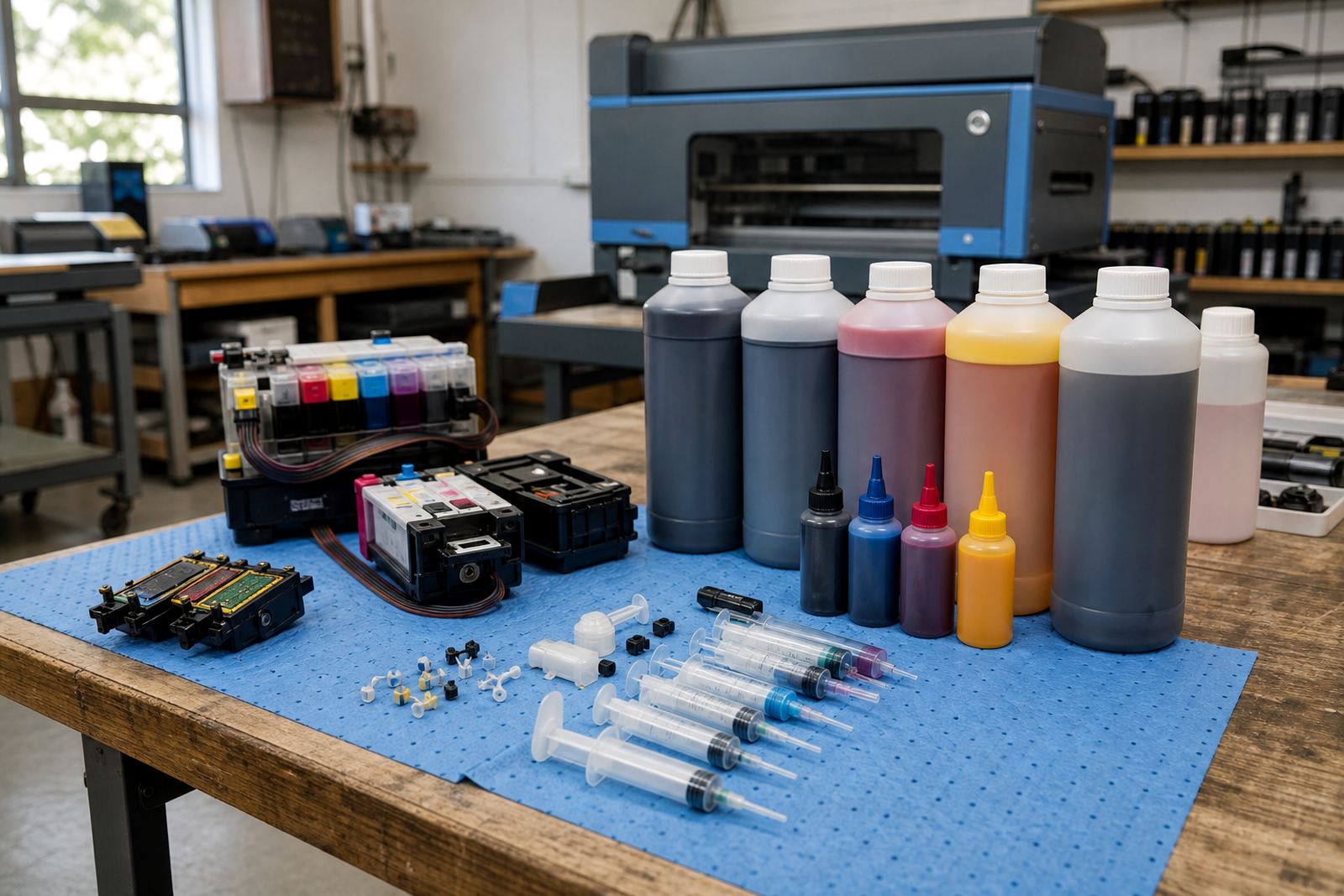
The spill mat pack is normally chosen by work surface size rather than by a single standard. Smaller mats suit a cartridge refill station or a side table where you keep chips, caps and wipe cloths. Larger mats work better for wide-format print shops, where several bottles, cartridges and test prints can sit out at once. If your bench is narrow, two smaller mats can be easier to lift and wash than one large sheet.
Options may include square mats, rectangular mats and longer runner styles for a packing line or a row of refill bays. Thickness matters too. A thinner mat folds away neatly for storage, while a heavier pad holds more liquid before it needs changing. For most refill benches, the useful question is not just the footprint but how much fluid the surface can hold before it starts to feel soggy.
- Compact mats for a single technician station
- Mid-size mats for shared office or studio benches
- Longer runner styles for multi-step refill areas
- Pack quantities for periodic rotation and washing
Where this pack earns its keep
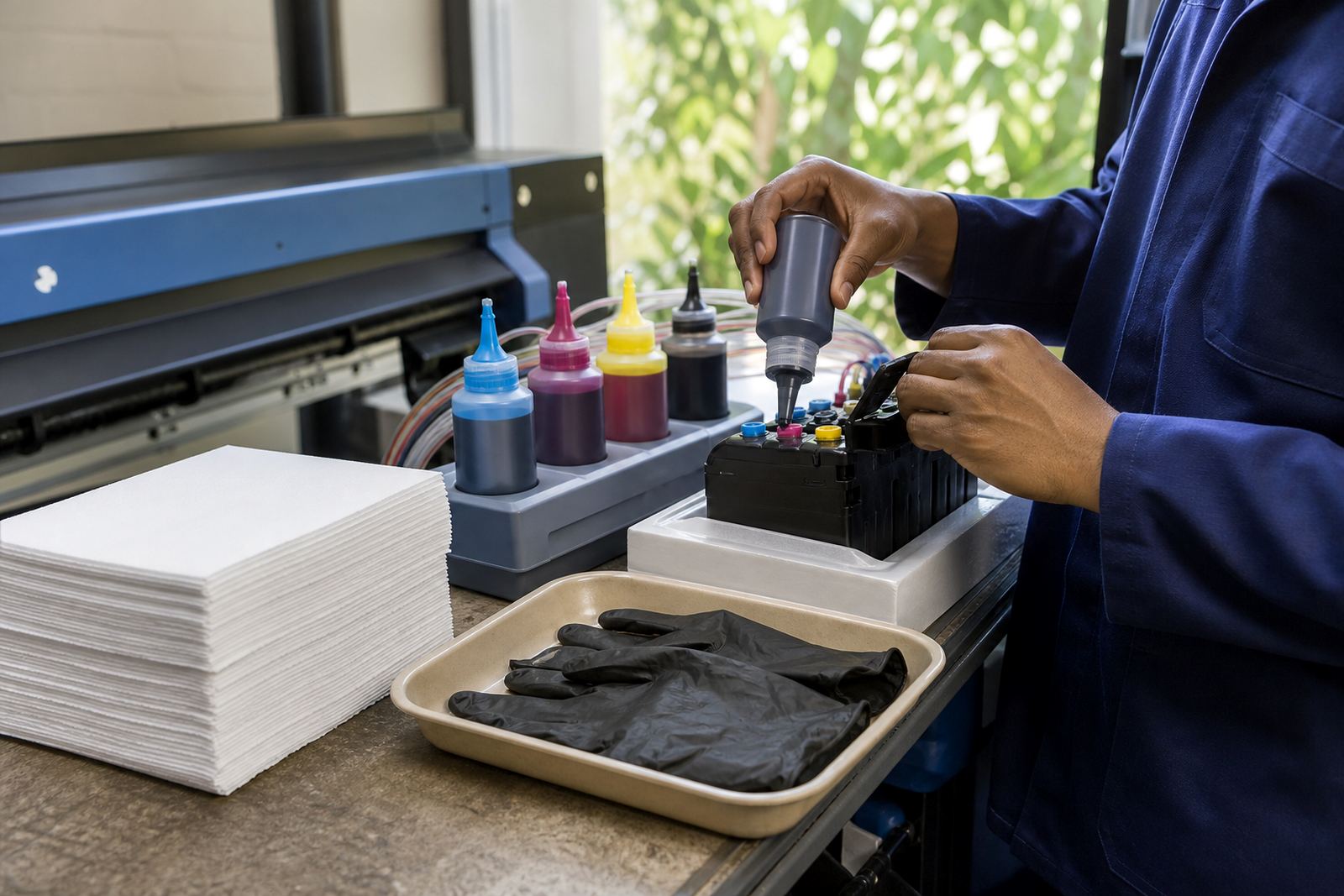
In a cartridge refill room, the mat sits under the first touch points: opening caps, checking seals, topping up cartridges and placing filled units aside. That is where most accidental drips happen, so the absorbent layer saves time on wiping and keeps the bench from staining. In a design studio, it gives artists a clean zone for small ink vessels and test swatches. In a wide-format print shop, it helps when moving between bulk ink bottles, cleaning fluid and spare cartridges across a busy table.
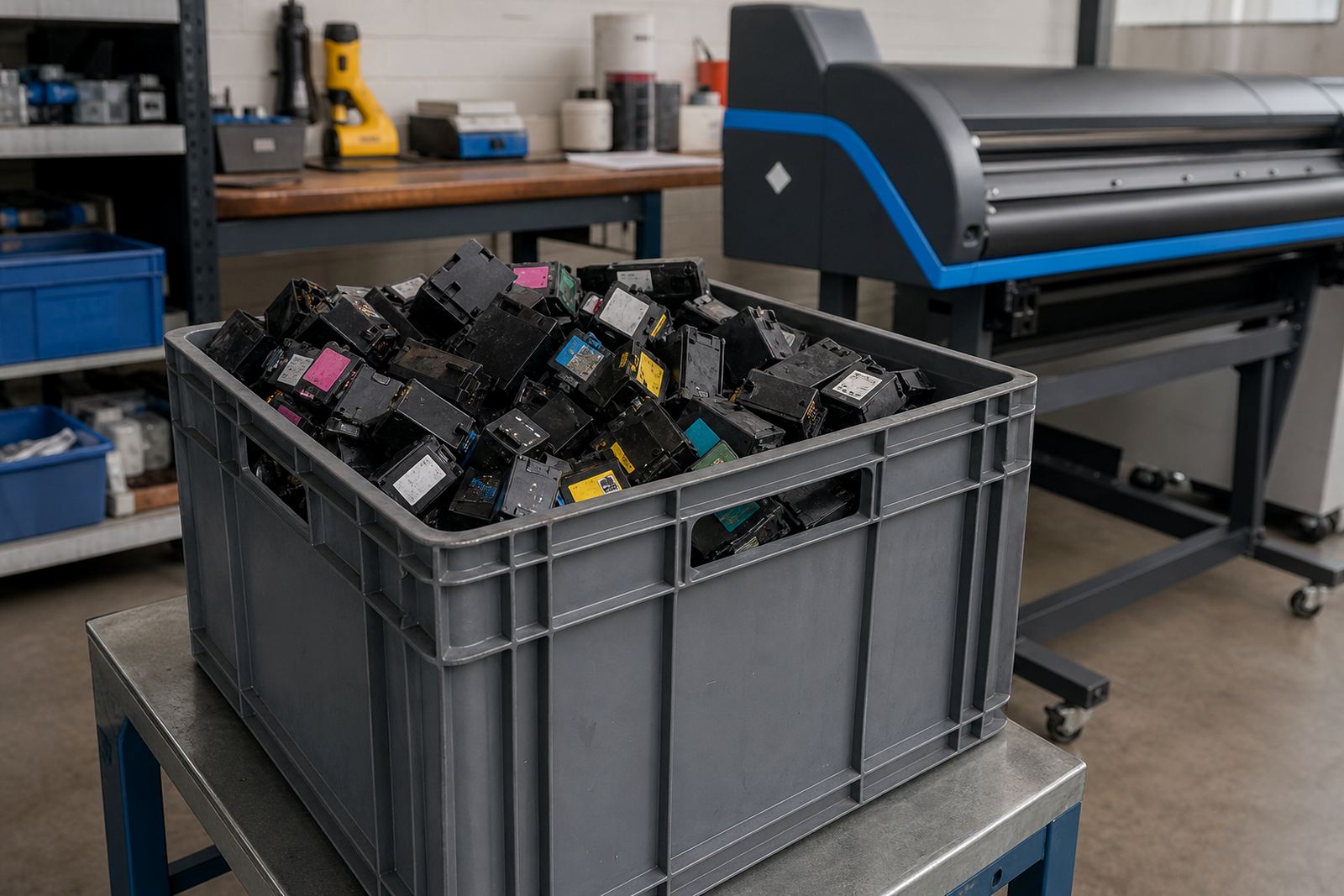
The pack also suits stock areas where empty cartridges are sorted for return. Even a dry-looking empty can carry residue in the corners, and a mat under the sorting tray gives you a better surface while you inspect, cap or bag the empties. That makes it useful in Durban humidity, where wet residue can hang around longer than expected.
- Refill benches with several ink colours on one surface
- Studio tables used for sampling, sketching and small fills
- Print rooms that carry both dye and pigment inks
- Return sorting for empties and capped cartridges
Setting it down and keeping the bench tidy
Installation is straightforward, but placement still matters. Lay the mat flat on a clean, dry surface before the day’s first refill or cartridge check. If the bench has a lip, edge trim or raised shelf, keep the mat clear of pinch points so it lies flat and does not curl. On a metal bench, make sure there is no oil or loose dust underneath, because that can make the mat slide when you reach for a bottle.
If your team uses chip resetters, syringes or nozzle check tools, leave enough open space beside the mat for those items. It works best when the mat covers the splash zone and not the entire table. For fitted work areas, measure the usable surface rather than the overall counter size, because plugs, rails and tray brackets can reduce the space you actually need to protect.
- Place on a dry, level section of the bench
- Leave room for tools and cartridge trays beside it
- Trim or overlap only if the layout calls for it
- Rotate mats between stations if one bench runs harder than the others
Care between uses and what to do when a spill lands
Routine care is simple enough for a shared office team. Let the mat dry between shifts if only a small amount of ink has landed on it, then brush off any loose paper fibres or dried residue. For heavier spills, dab rather than scrub so the liquid is lifted out instead of pushed through the weave. If the mat is washable, rinse it in cool water first, then use a mild cleaner and let it air dry fully before the next refill run.
Keep separate mats for heavy pigment work and lighter dye work if the bench sees both. Pigment residue tends to sit on the surface more stubbornly, while dye can spread fast in a wet patch. A mat that has soaked up too much fluid should be moved out of daily use before it starts transferring colour back onto the bench or cartridge body.
- Dab fresh spills instead of rubbing them in
- Rinse cooled mats before washing more deeply
- Air dry fully before returning to the bench
- Retire badly stained mats from colour-critical work
What to check before ordering
When ordering a spill mat pack, confirm the bench width and the type of work it will cover. A refill station in Hillcrest may need one format, while a wider dispatch table in Johannesburg may need another. It also helps to note whether the mat will sit under dye ink, pigment ink, cleaning fluid or a mix of all three, because that affects how often you rotate or wash it. If you are using it near return boxes for empties, say so, since that changes the size and coverage you will want.
Ask for the pack count, exact dimensions, surface finish and whether the mat is intended for reuse or single-pass protection. If your team works with refill kits, continuous ink supply systems or spare cartridges on the same table, mention the layout so the mat can be matched to the working space rather than guessed. Courier delivery can be arranged across South Africa, including Durban, Pietermaritzburg, Pretoria, Cape Town and other areas on request.
- Bench width and usable depth
- Number of stations sharing the same table
- Ink type in use, including dye or pigment
- Preferred pack quantity and mat size
- Need for reusable or short-use mats
A useful add-on beside refill tools and empty returns
This pack fits naturally beside cartridge refill advice, chip reset help, leak checking and empty return work. It is not a showy item, but it keeps the rest of the station cleaner and makes the whole bench easier to work on. For teams that handle stock planning, operator training or remote troubleshooting, a tidy surface also makes it easier to spot where a spill started and what part of the process needs attention.
In practical terms, that means less time wiping the bench and more time keeping the cartridges, bottles and printheads in order. If your station handles a steady stream of top-ups or wide-format supplies, a spill mat pack is one of those items that pays for itself in reduced mess and fewer stained surfaces.
- Pairs well with refill kits and CISS work
- Helps keep return cartons and empties cleaner
- Supports clearer bench habits for busy teams
- Useful where several colours are handled at once
Key facts
| Product type | Absorbent spill mat pack for ink work surfaces |
|---|---|
| Typical use | Refill benches, studio tables, print rooms and return sorting areas |
| Common formats | Square, rectangular and runner-style mats |
| Surface role | Absorbs small spills and catches drips before they spread |
| Care | Dab, rinse with cool water, wash gently and air dry |
| Ordering details | Bench size, ink type, pack quantity and reuse preference |