Eight channels, more room for tone control
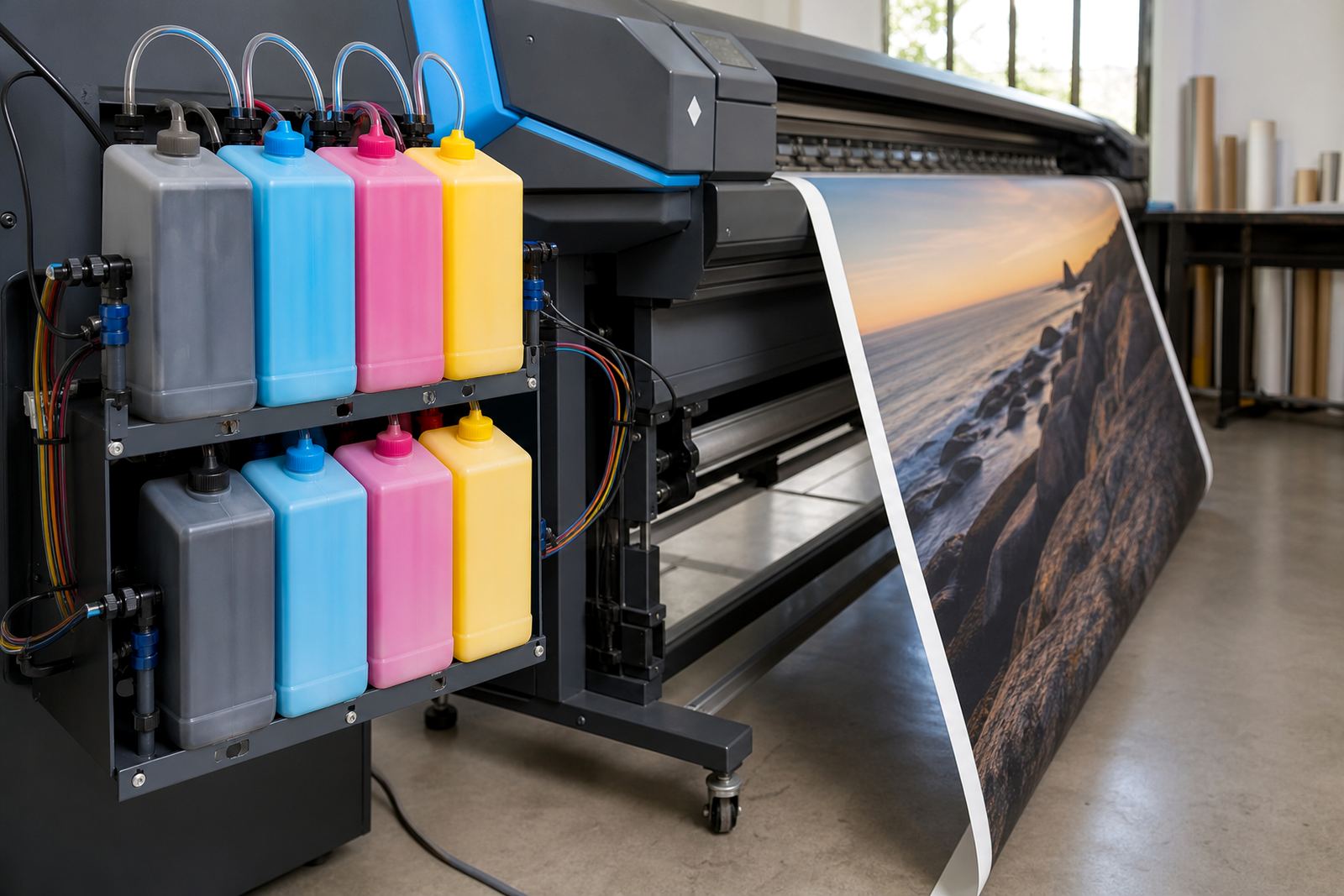
Eight colour bulk ink is used where the print job needs more than a basic CMYK set. The extra colours can support lighter blends, cleaner gradients and better separation in photographs, artwork proofs and presentation prints. On some printers the extra channels are set up as light cyan, light magenta, photo black or grey, while other models use a different mix, so the ink set has to match the machine and the way it lays down colour.
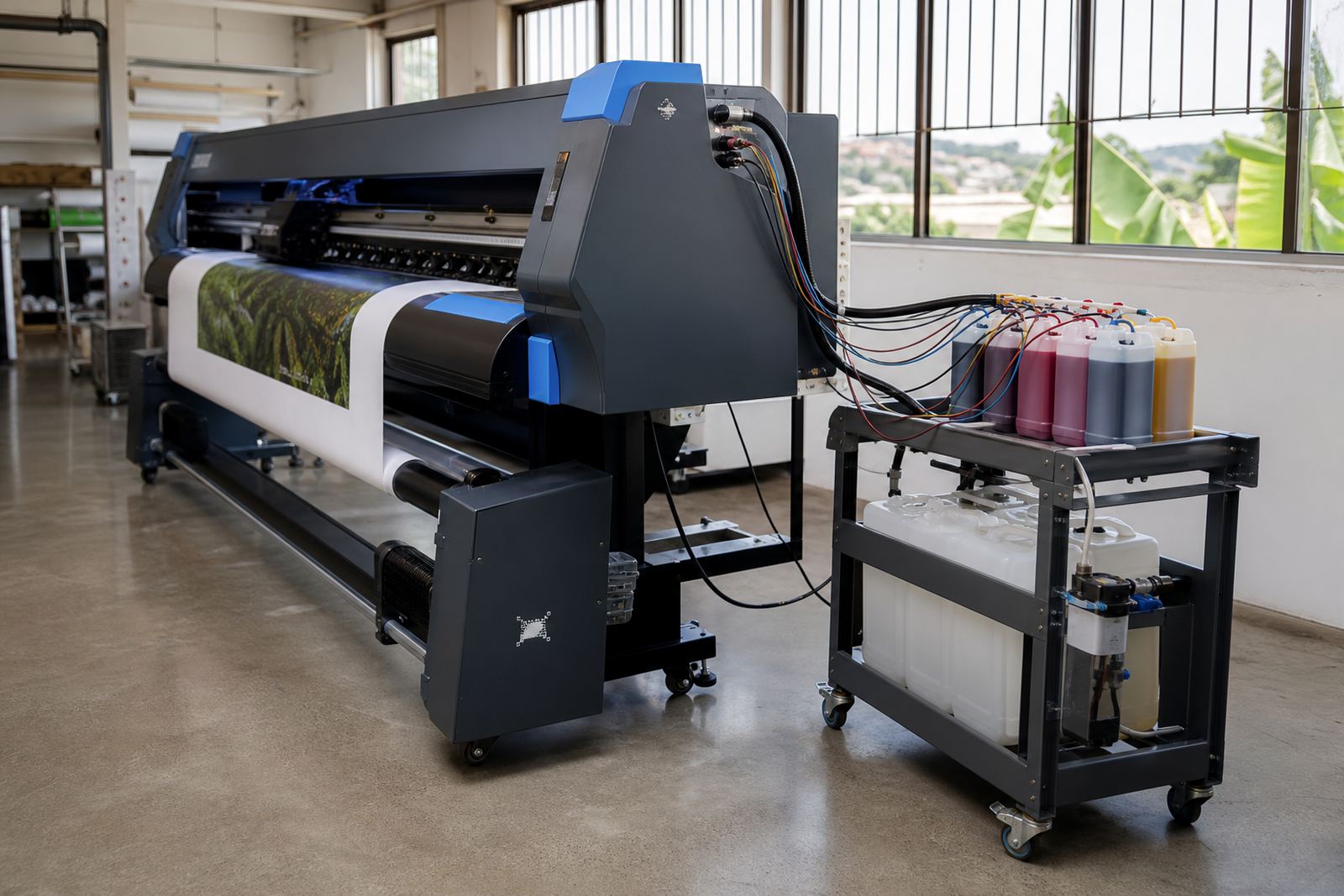
For Westville offices, design studios and print rooms in Durban, this format is often the middle ground between regular cartridge printing and a full production ink line. It can lower running waste because the system takes larger refill bottles or reservoir feeds, rather than replacing small cartridges over and over.
- Suitable for eight-channel ink systems and wider colour workflows
- Useful for photographic prints, art reproductions and proof work
- Can be supplied as dye ink or pigment ink, depending on the printer and stock purpose
- Often paired with refill kits or a continuous ink supply setup
Bottle sizes, bottle sets and refill layouts
Bulk ink is usually ordered in sealed bottles, matched sets or larger refill packs. Some jobs need separate bottles for each colour, while others suit a pack that covers the full eight-colour range in one set. The right format depends on the reservoir size, the printer model and the volume you push through each week. If the machine has clear tanks, the fill level can be checked quickly, which helps with stock planning and avoids running one colour dry while the others still look full.
For studios handling posters, mounted artwork or short-run presentation sets, larger bottles make more sense than small top-up packs. For office use, smaller refills may be easier to store in a locked cupboard with label control and batch notes. A little planning goes a long way when the print work is constant and the colours must stay steady.
- Common bottle sizes include 100 ml, 250 ml, 500 ml and 1 litre formats
- Can be packed as individual colours or full eight-colour sets
- Storage works best in a cool indoor space with caps tight and labels visible
- Batch matching matters when a colour proof must stay consistent across repeats
Where the eight colour setup earns its keep
This ink format suits wide-format print shops, art studios, photography rooms and offices that send out presentation material with colour detail. It is also practical for teams producing maps, exhibition graphics, posters and image-led layouts where subtle shade changes matter. Durban humidity can affect paper choice and drying behaviour, so the ink type and media need to work together rather than be picked in isolation.
Pigment ink is often chosen where sharper text, better water resistance and stronger line work are needed, while dye ink can suit brighter colour output and smooth photographic blends. The right answer depends on the printer path, the stock you use and how the final print will be handled after it leaves the tray. A wet proof on the wrong paper can mislead the whole job, so media testing is worth the time.
- Good fit for photo work, poster runs and colour-critical proofing
- Works in studios that keep several paper types on the shelf
- Useful where a single printer handles both text and image tasks
- Can support repeat work where grey balance and skin tone matter
Fitting the system without feeding it the wrong habits
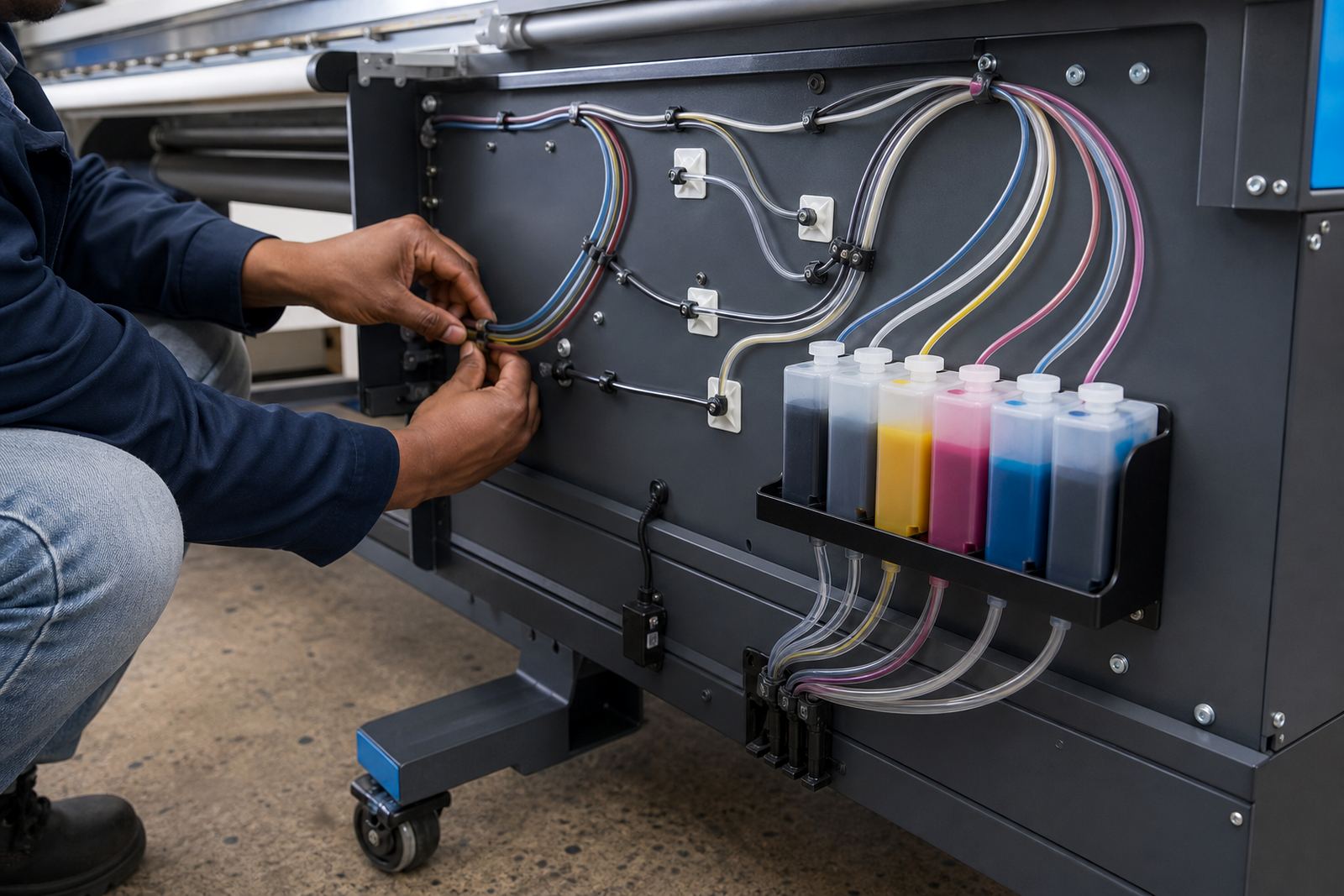
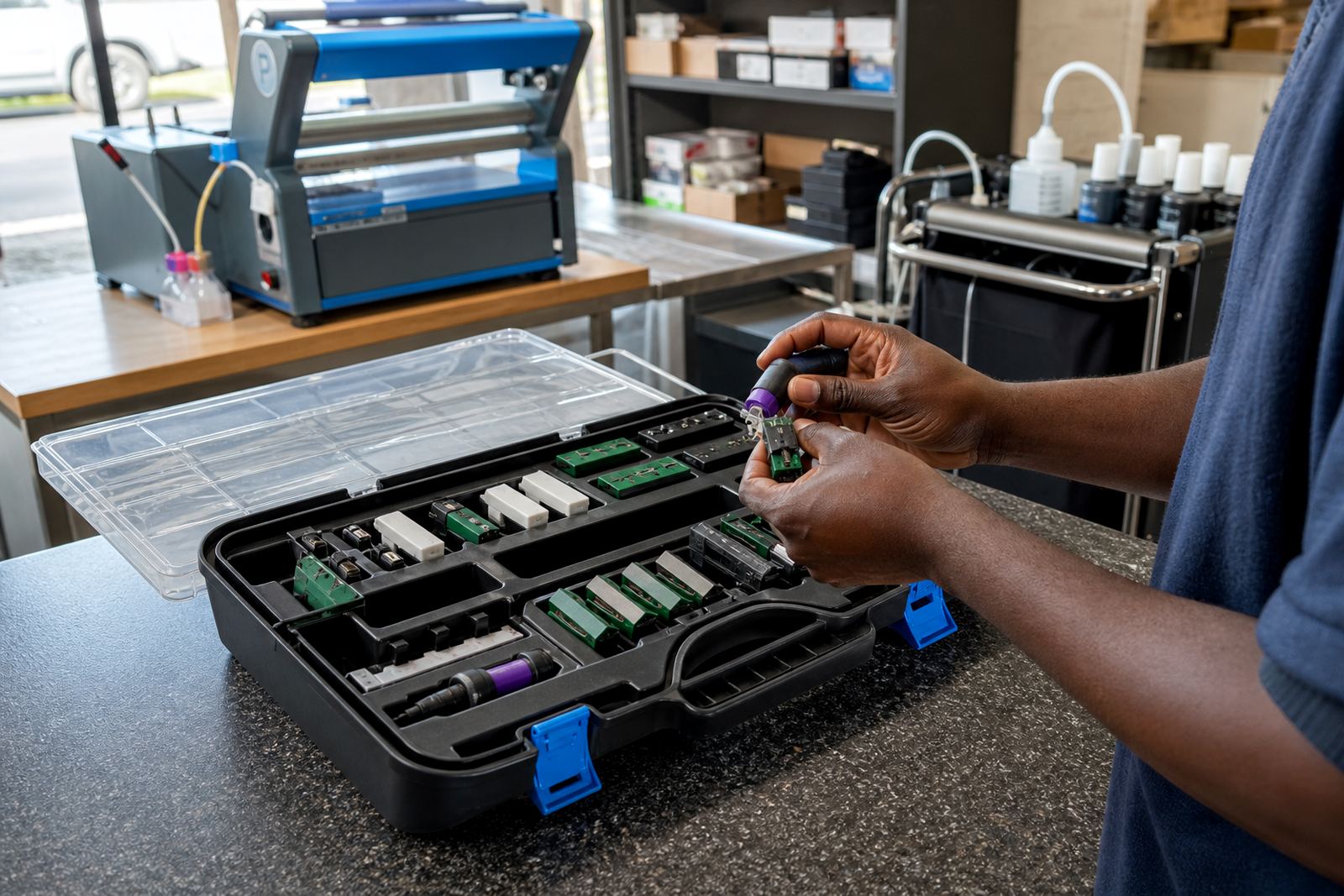
Eight colour bulk ink often goes hand in hand with a continuous ink supply system or a refillable tank arrangement. Fitting needs care because air in the line, poor cap sealing or a badly seated hose can cause uneven flow. If the printer uses chips to track ink levels, chip resetters or reset methods may be part of the setup, though the exact method depends on the machine and cartridge style.
A clean install usually includes priming the lines, checking the cartridge or tank fit, confirming the vent position and running a nozzle check before regular printing starts. A technician should also watch for overfill, cross-colour contamination and the small leaks that stain rollers and paper edges. The first fill is where most trouble starts if the rhythm is rushed and the colour set is not matched carefully.
- Installations may involve priming, vent setting and nozzle checks
- Chip management depends on the cartridge or tank design
- Line routing should stay neat, free of kinks and free of sharp bends
- Any fitting job should leave enough space for safe cartridge movement
Care that keeps colour steady and print heads happier
Bulk ink works best when the printer is used often enough to keep the nozzles moving and the caps in good shape. Long idle periods can leave pigment settling in the line or dry residue at the head, so routine checks matter. A nozzle check pattern shows gaps early, before the issue spreads into banding or flat patches in the image.
Printhead care is not just about cleaning, it is about handling the whole ink path properly. Use the correct ink type for the machine, keep containers closed, avoid topping up from mixed leftovers and do not force a refill through a line that still has air trapped inside. Where a printer sits in a busy office, one loose cap or a dusty bottle top can mess up a whole run. Small habits count more than big fixes here.
- Run nozzle checks before long print runs and after idle periods
- Keep bottles sealed and away from dust, heat and direct sun
- Use the correct cleaning method for the ink type in the system
- Recycle empties where the cartridge or bottle condition allows it
Details to confirm before the order goes out
When ordering eight colour bulk ink, the printer model, ink path and intended use should be clear from the start. The wrong channel mix can waste time and ink, and the wrong chemistry can leave weak colours or blocked nozzles. It helps to know whether the setup takes dye ink or pigment ink, whether the printer is a cartridge refill unit or a reservoir system, and whether the work is for office output, art prints or wider-format production.
Colour order matters too. Some machines use a particular black layout or a shifted light set, and the bottles must arrive labelled in the correct sequence. If the shop handles multiple printers, note the paper stock, average monthly volume and any colour balance issue you are trying to solve. That makes the supply easier to match, and it avoids a lot of back and forth.
- Printer make and model
- Ink type required, dye or pigment
- Eight colour channel order and any light or grey channels
- Expected print volume and typical media used
- Need for refill kit, CISS parts or chip support
- Whether empty return handling is needed for used cartridges or bottles
Key facts
| Product type | Eight colour bulk ink for refill and reservoir systems |
|---|---|
| Ink chemistry | Dye ink or pigment ink, matched to the printer |
| Pack formats | Individual bottles, full sets or larger refill packs |
| Typical use | Photography, art prints, posters, proofs and wider colour work |
| Compatibility | Selected eight-channel printers and refill systems |
| Support items | Refill advice, chip reset help, leak checks and nozzle check support |