
One tool for mixed cartridge tables
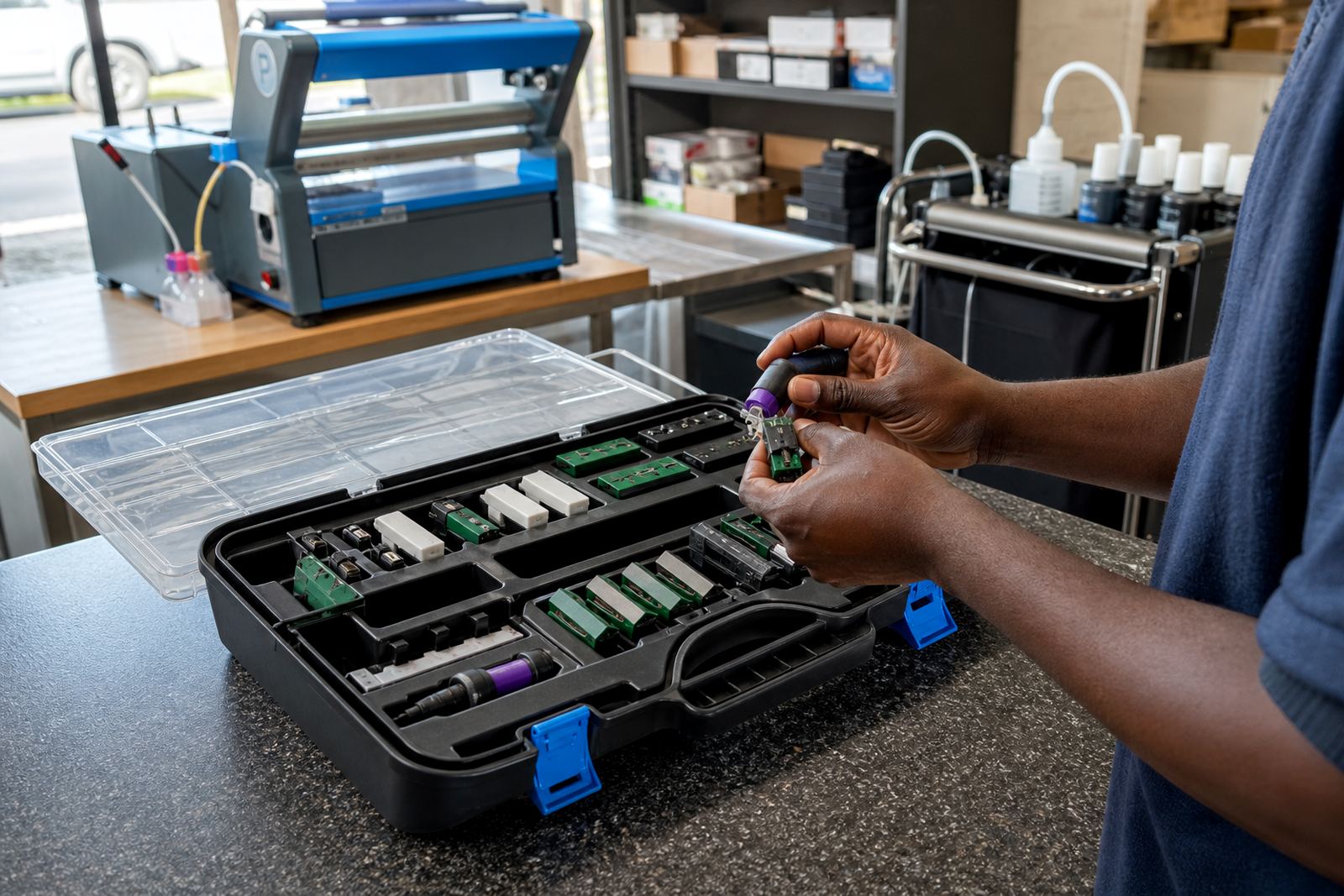
This resetter is built for teams that refill more than one cartridge format through the week. It suits offices with benchtop printers, design studios that move through colour sets, and print shops that keep spare carts ready for client work. The contact points line up with compatible chip layouts so the cartridge can be read and reset before the next fill or reinstall.
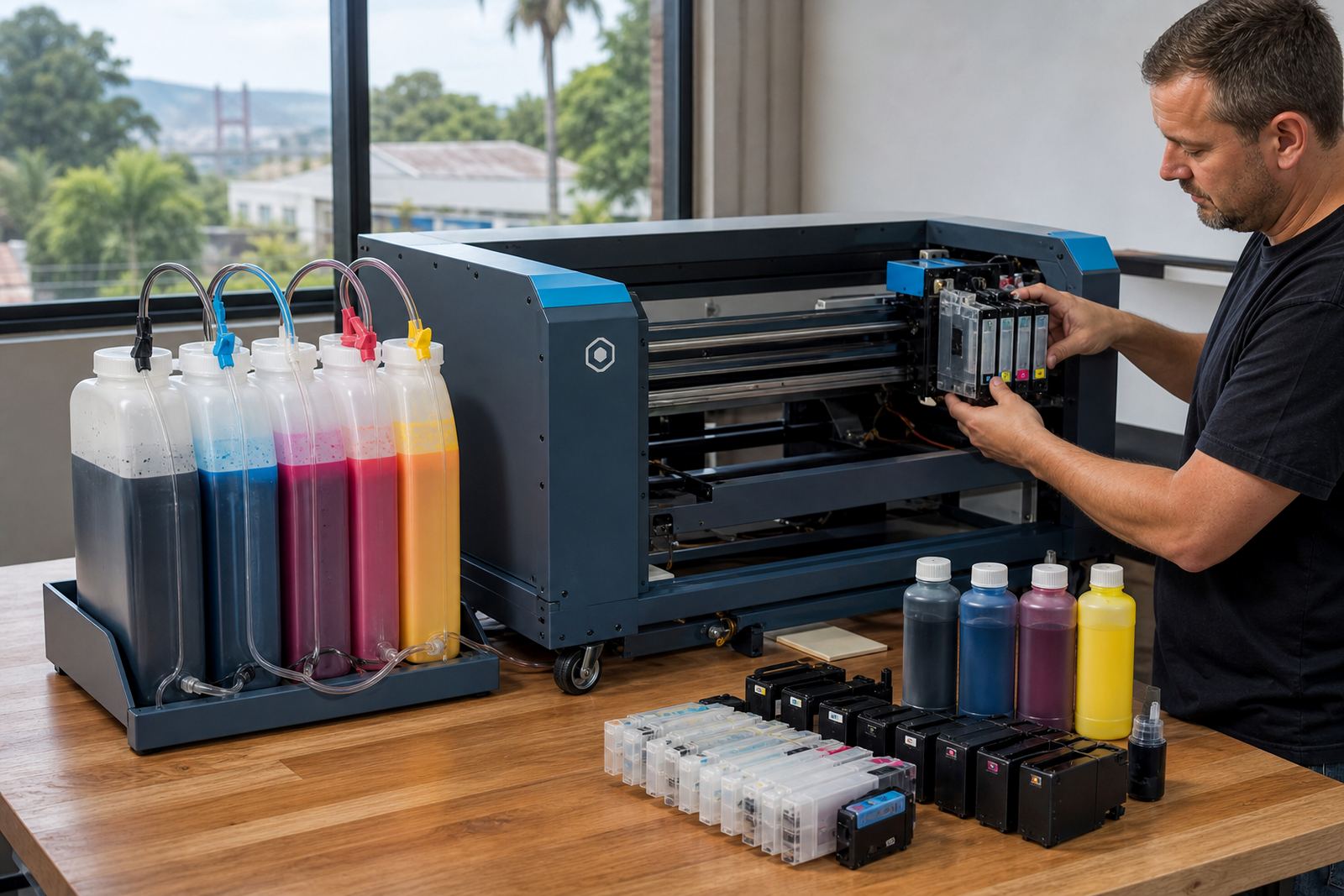
The unit is used with refillable cartridges and some compatible aftermarket cartridges that carry resettable chips. It is a workshop tool rather than a printer accessory, so it belongs on the refill bench next to ink bottles, syringes, gloves and cleaning cloths. Where a cartridge has been topped up often, the resetter helps the chip report a fresh ink level after filling.
- Multi-contact head for a range of cartridge chip layouts
- Useful for refill counters, small studios and dispatch benches
- Helps restore cartridge recognition after a proper refill
- Works as part of a cartridge prep and test routine
Sizes, contact styles and working range
Most workshops want a unit that handles common office cartridges without extra adaptors. Some resetters use a fixed contact block while others use spring-loaded pins that tolerate slight placement differences. A broader contact face is useful where you handle several cartridge families, while a tighter contact layout suits a shop that runs the same type through the day.
When comparing options, match the resetter to the chip pattern on the cartridge body and the position of the electrical contacts. A good fit means the cartridge sits squarely against the pins without forcing the housing. If the cartridge shell is warped or the chip pad is worn, the reset may be patchy and the cart should be checked before it goes back into service.
- Contact layout matched to cartridge chip position
- Spring pin or fixed contact versions available
- Compact bench unit for counter use
- Best suited to refillable cartridges with accessible chip pads
Where this tool earns its place
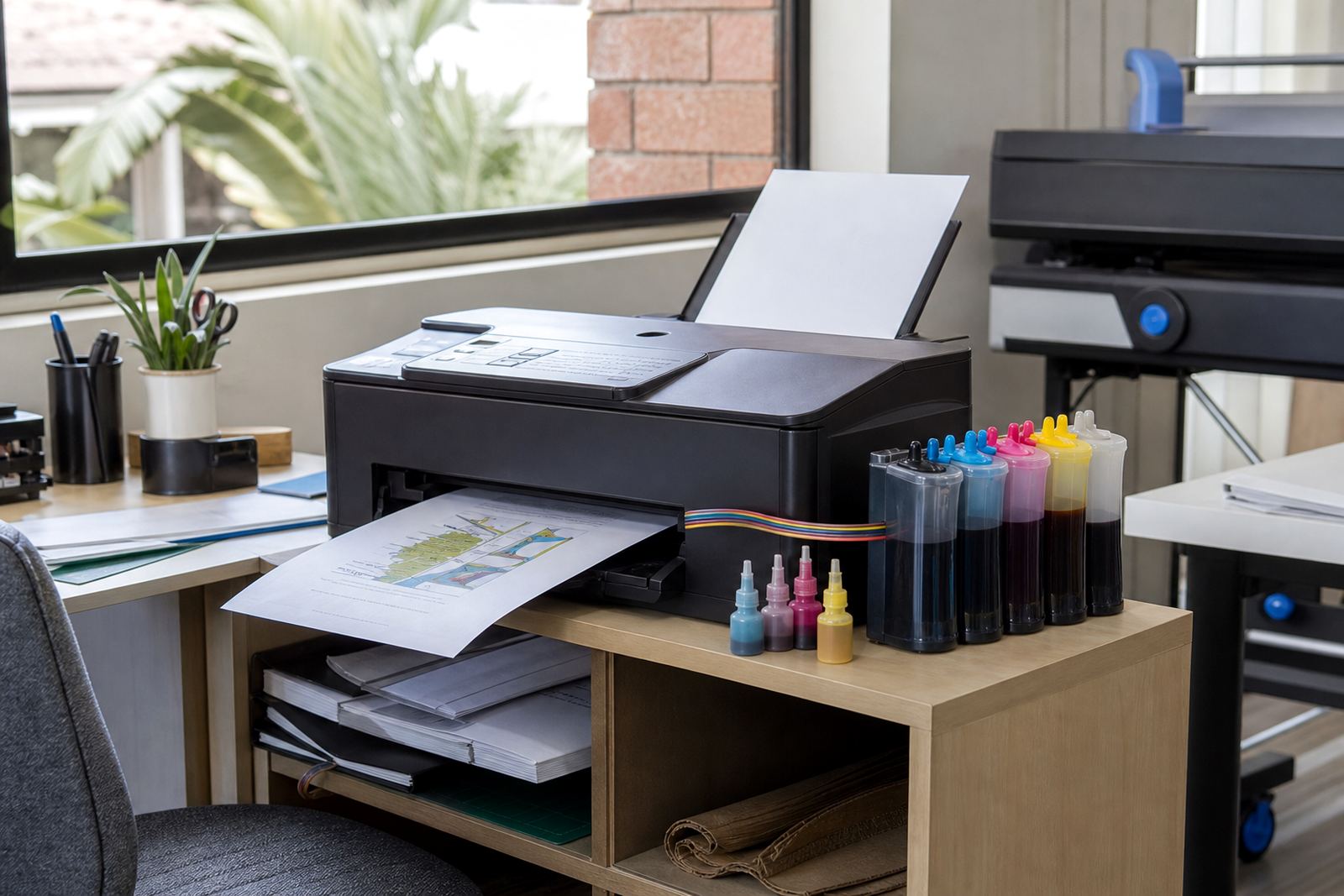
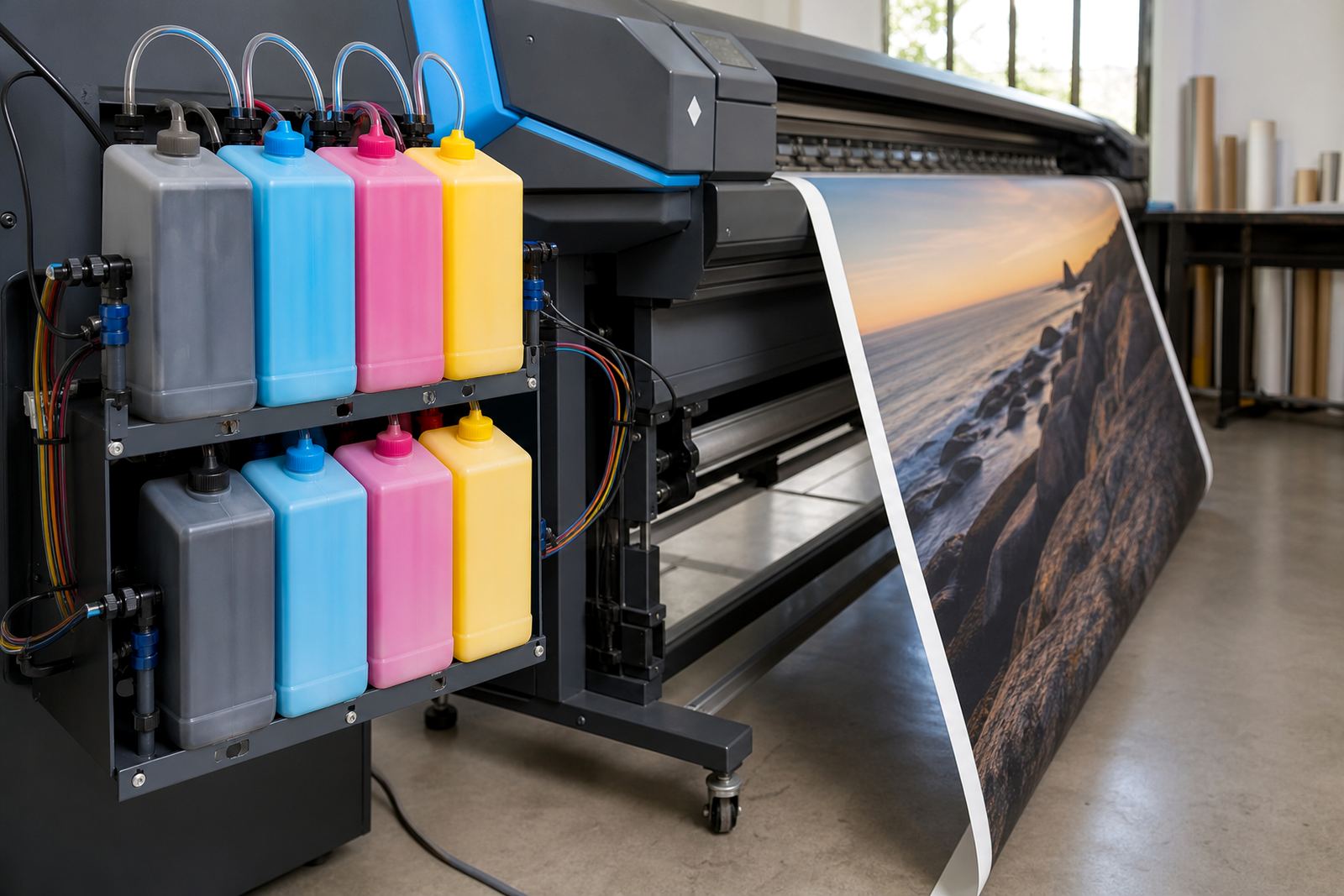
The resetter suits refill rooms that need a neat workflow, especially where several printers run from the same stock shelf. It helps when a studio keeps black and colour cartridges moving for proofs, draft prints and client proofs, and also when a wide-format team manages multiple cartridges alongside bulk ink systems. In Durban humidity, clean contacts matter, because damp storage and dusty worktops can interfere with chip reading.
It also suits courier-based supply chains where cartridges are refilled off site and returned ready for use. For teams in Pietermaritzburg, Johannesburg, Pretoria and Cape Town, a resetter supports standardisation across a mixed fleet of printers. That matters when one office uses more than one machine model and the same operator handles the changeover.
- Office print rooms with moderate to heavy cartridge turnover
- Design studios and artists using refillable colour cartridges
- Wide-format counters managing support stock and test prints
- Workshop benches that prep cartridges for reissue or dispatch
Fitting, handling and the right bench routine
Most multi cartridge resetters are handheld or bench-top units and they work from low-voltage electrical power supplied through a small adapter or USB lead, depending on the model. The cartridge is aligned to the contact points, held steady for the reset cycle and then checked before it is reinstalled. A stable bench, dry hands and a clean contact area make the job smoother.
When a chip does not clear on the first pass, the usual checks are simple. Re-seat the cartridge, wipe the chip pads with a lint-free cloth and make sure the cartridge is fully charged with the right ink type. A cartridge that was overfilled or left with ink on the contacts can resist a clean reset. Gentle handling matters because cracked housings and damaged pads shorten the working life of the cartridge.
- Use on a clean, dry bench with steady pressure
- Check chip pads before placing the cartridge on the contacts
- Support from a low-voltage adapter or USB lead on some models
- Pair with a proper refill routine and leak check
Care, cleaning and daily workshop use
Keep the pins and contact face free from ink mist, dust and dried residue. A light wipe with a dry lint-free cloth is usually enough for day-to-day care, while stubborn ink build-up may need a careful clean with the right cleaning solution. Do not bend the pins or scrape the chip surface, because that changes the pressure point and can lead to uneven contact.
In a refill workshop, the resetter works best when used with the rest of the cartridge care routine. That means checking nozzle condition, confirming the ink type, and watching for signs of leakage around the fill port or sponge. If the cartridge is part of a continuous ink supply system, the reset step should sit alongside tubing checks, bottle levels and printhead care. For recycled empties, a clean return programme helps keep shells moving through the bench instead of into waste.
- Wipe contacts after heavy use or visible ink transfer
- Store away from open ink bottles and loose dust
- Use with nozzle checks and printhead care routines
- Keep recycled empties sorted by cartridge family
Details to check before placing an order
To match the right resetter to your cartridges, check the chip layout, the cartridge family and whether your shop uses a handheld or bench-top style. It also helps to note whether you work mostly with dye ink, pigment ink or a mixed setup, because that affects the refill routine around the reset. If your team handles a broad mix, ask for a unit that covers the most common contact patterns on your bench.
When you contact InkEx from Westville, Durban, the useful details are the cartridge type, printer family, whether you are handling refillable stock or workshop returns, and the size of your daily turnaround. If you also need refill advice, chip reset help, or bulk ink guidance, those can be planned together so the cartridge and the ink side of the job stay in step.
- Cartridge model and chip layout
- Handheld or bench-top preference
- Ink type in use, dye or pigment
- Whether the unit will sit with CISS or refill stock
Key facts
| Product type | Multi-contact cartridge resetter for refillable cartridge work |
|---|---|
| Use case | Workshop reset and chip recognition support for mixed cartridge families |
| Power | Low-voltage electrical operation on supported models |
| Contact system | Spring pin or fixed contact head depending on model |
| Body format | Compact bench-top or handheld unit |
| Typical users | Offices, studios, artists and wide-format print shops |