Small tools for the spots a cloth cannot reach
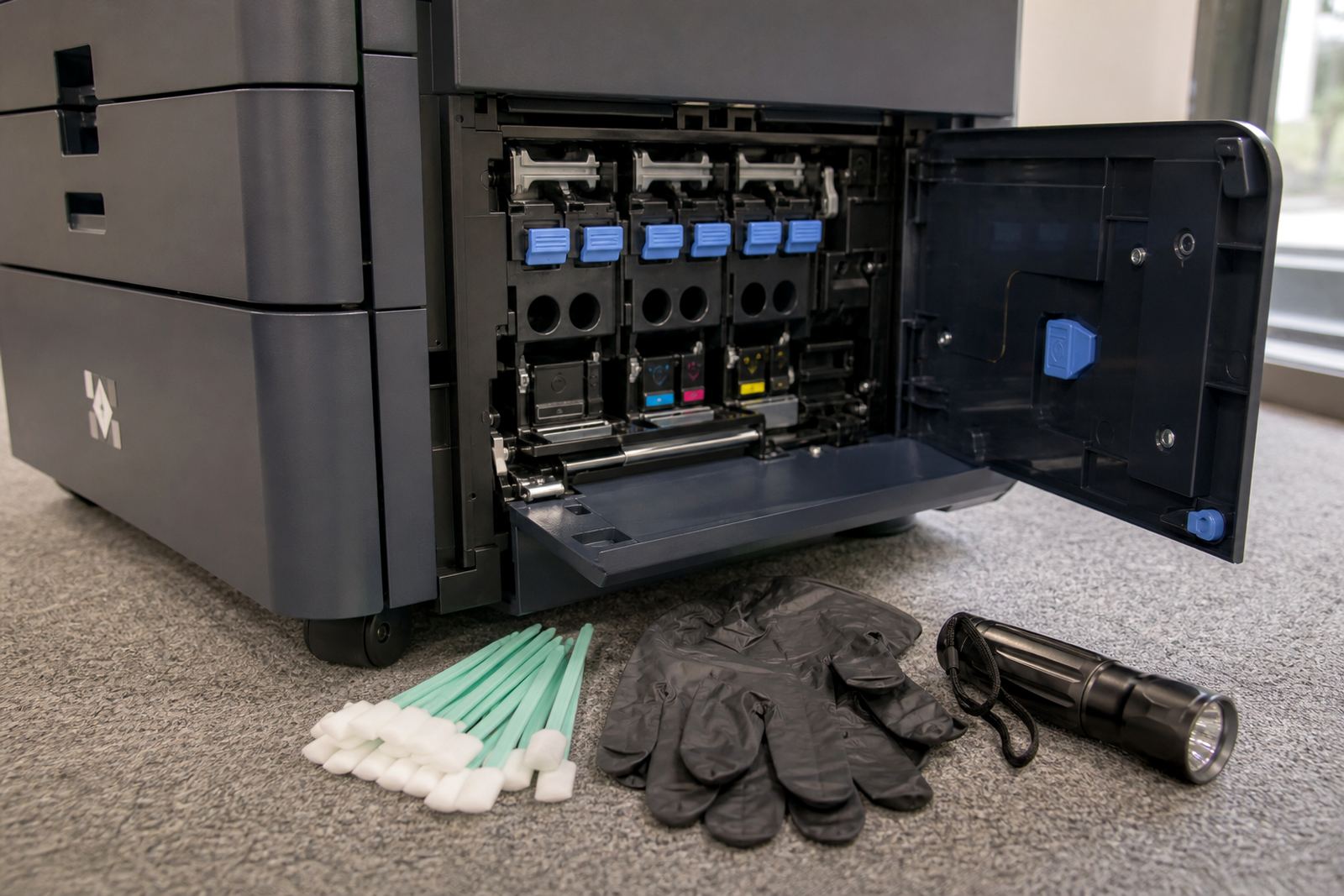
These swabs are made for detailed cleaning work around printer internals, where a finger, rag or paper towel is too blunt for the job. The shaft is narrow and the tip is shaped to reach under caps, along wiper edges and into corners where ink builds up after long print runs or repeated cartridge changes.
For refill work, that matters because excess ink can sit on the wiper blade, smear across a carriage path or leave residue near the cap station. A clean swab lets you remove that build-up with control, instead of pushing it deeper into the machine. That is especially useful on inkjet units used for office documents, colour proofs, labels and lighter production work.
- Precision cleaning around wiper blades and capping areas
- Useful for dried dye ink, pigment ink and mixed residue
- Helps keep maintenance work neat around delicate parts
- Suitable for routine upkeep between print jobs
Sizes and tip styles that suit different printers
Wiper Cleaning Swabs are usually supplied in compact lengths for confined printer spaces, and the head shape can vary depending on the point you need to reach. Some versions have foam tips for soft contact, while others use fibre or swab heads that pick up residue more firmly. In a busy print room, having the right shape saves time and reduces unnecessary rubbing.
The best choice depends on the printer body, the access gap and how much residue tends to collect. Wide-format machines often have deeper access points and more ink mist around service areas, while office benchtop units need a smaller tip that can move around plastic parts without catching. If the swab is too large, it can leave fibres behind or bend before it reaches the target area.
- Common lengths: 100 mm, 125 mm, 150 mm and 165 mm
- Tip types: foam, lint-free fibre or soft cleaning head
- Shafts are usually slim for tight service areas
- Pack sizes vary from small maintenance packs to bulk boxes
Where they earn their keep in daily print work
These swabs are useful anywhere ink is handled in small quantities and precision matters. Offices use them for tidy maintenance after cartridge changes, design studios use them while managing colour sets and artists often keep them near refill bottles or cleaning fluids for careful spot work. Wide-format print shops rely on them when checking service stations, nozzle areas and ink paths that can collect residue fast.
They also fit well into empty cartridge recycling routines. Once empties are drained and set aside, a swab can help clear ink marks from the cartridge mouth or exterior before storage or return handling. That keeps the work area cleaner and reduces the chance of smearing fresh surfaces with old ink.
- Office printers and light production inkjets
- Colour proofing stations in design and repro work
- Artist setups using refill bottles or transfer tools
- Wide-format print rooms with service-access cleaning needs
Using them without stressing the printer
Wiper Cleaning Swabs should be used with a light hand. A firm rub can shift dirt, but it can also push residue into a gap where it is harder to remove. The goal is to lift the ink, not scrub the plastic. For stubborn marks, a small amount of suitable cleaning fluid on the tip is often enough, provided the area is dry again before printing resumes.
When working around a wiper or cap, move slowly and inspect the tip after each pass. If the swab picks up heavy colour, replace it rather than spreading that ink across the next surface. In refilling environments, that habit matters because the same station may handle black, cyan, magenta and yellow, and colour cross-contamination can show up quickly on test prints.
- Use one swab for one colour area where possible
- Do not force the tip into moving parts
- Replace the swab when it becomes loaded with ink
- Keep the area dry before printing starts again
Ordering the right swabs for your setup
When ordering, it helps to match the swab to the printer type and the maintenance task. A small office unit, a refill station and a wide-format machine do not need the same reach or tip firmness. If you are cleaning around a cap station, ask for a softer tip. If you are working in an area with heavier dried residue, a firmer lint-free head may suit the task better.
It is also worth confirming how the swabs will be used. Some customers want them for printhead care and nozzle check support, while others need them for leak checking, cartridge exterior cleaning or general bench maintenance. If you are pairing them with bulk ink refill systems, the pack size should match the number of machines and the amount of routine upkeep in the room.
- Printer model or cartridge type in use
- Preferred tip style and shaft length
- Pack quantity for daily or bulk maintenance
- Whether the swabs are for dye ink, pigment ink or both
Keeping swabs ready in humid coastal conditions
In Durban and other coastal areas, moisture in the air can affect how clean tools are stored. Keep swabs sealed until needed and store them away from ink spills, dust and open refill bottles. Once opened, a clean container helps prevent tips from picking up grit that could scratch a service surface or leave fibres behind.
For print rooms in Pietermaritzburg, Johannesburg, Pretoria and Cape Town, courier supply makes it easier to keep maintenance stock close to hand. Teams that run refills regularly often keep a small maintenance kit with swabs, gloves, cleaning fluid and spare consumables so the printer can be checked without hunting for parts at the wrong time.
- Store sealed and dry, away from direct sunlight
- Keep separate from used wipes and drained empties
- Use clean containers for open packs
- Match stock levels to the pace of the print room
Key facts
| Product type | Lint-free precision cleaning swabs |
|---|---|
| Typical lengths | 100 mm, 125 mm, 150 mm, 165 mm |
| Tip options | Foam, fibre or soft cleaning head |
| Use area | Wipers, caps, edges, service stations and ink residue |
| Compatible work | Refills, cartridge care, nozzle checks and maintenance |
| Pack formats | Small packs and bulk maintenance quantities |