Three ways to keep ink moving
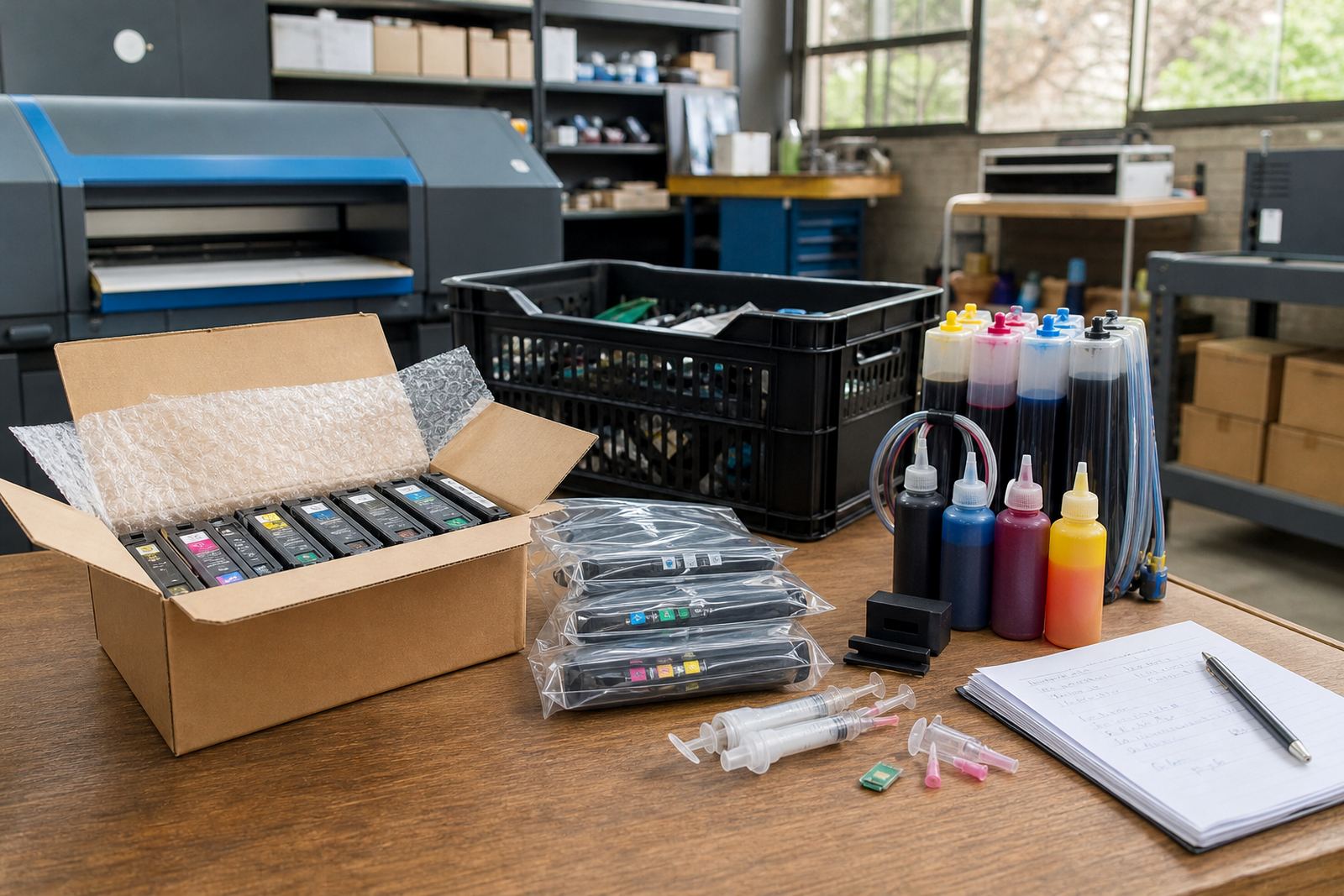
Refurbished cartridges suit teams that want a straightforward swap-in option. The shell is cleaned, tested and prepared for reuse, with the original chip function managed in a general way so the printer recognises the cartridge properly. It suits lower to mid-volume printing where convenience matters more than making every millilitre stretch.
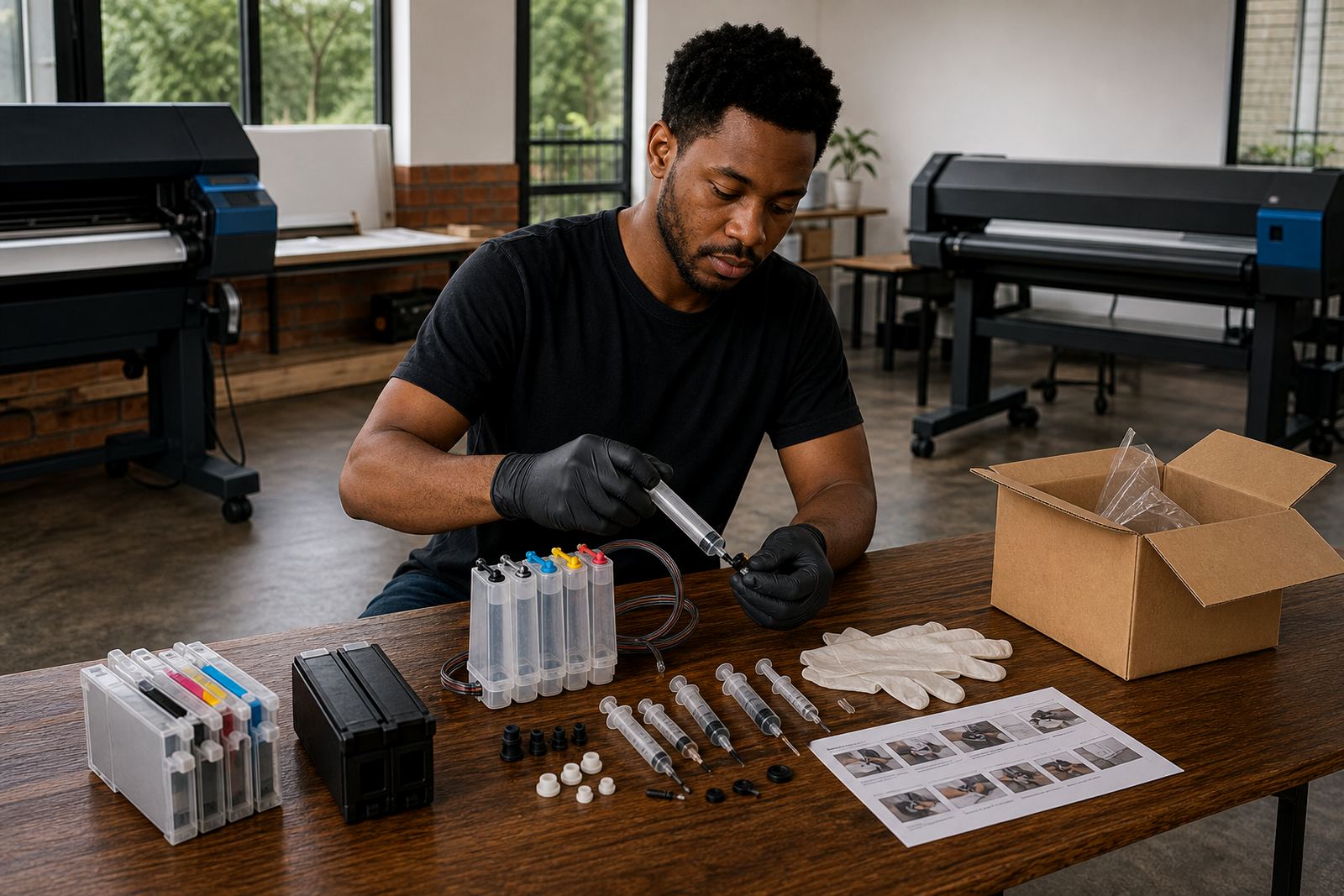
Manual refills work well when you already handle the printer carefully and want to keep control over each cartridge. Ink is added into the existing body, which can lower waste and cost, but the process needs attention to colour, seals and the condition of the printhead. A tidy refill bench helps, as does a steady routine for wiping, capping and testing.
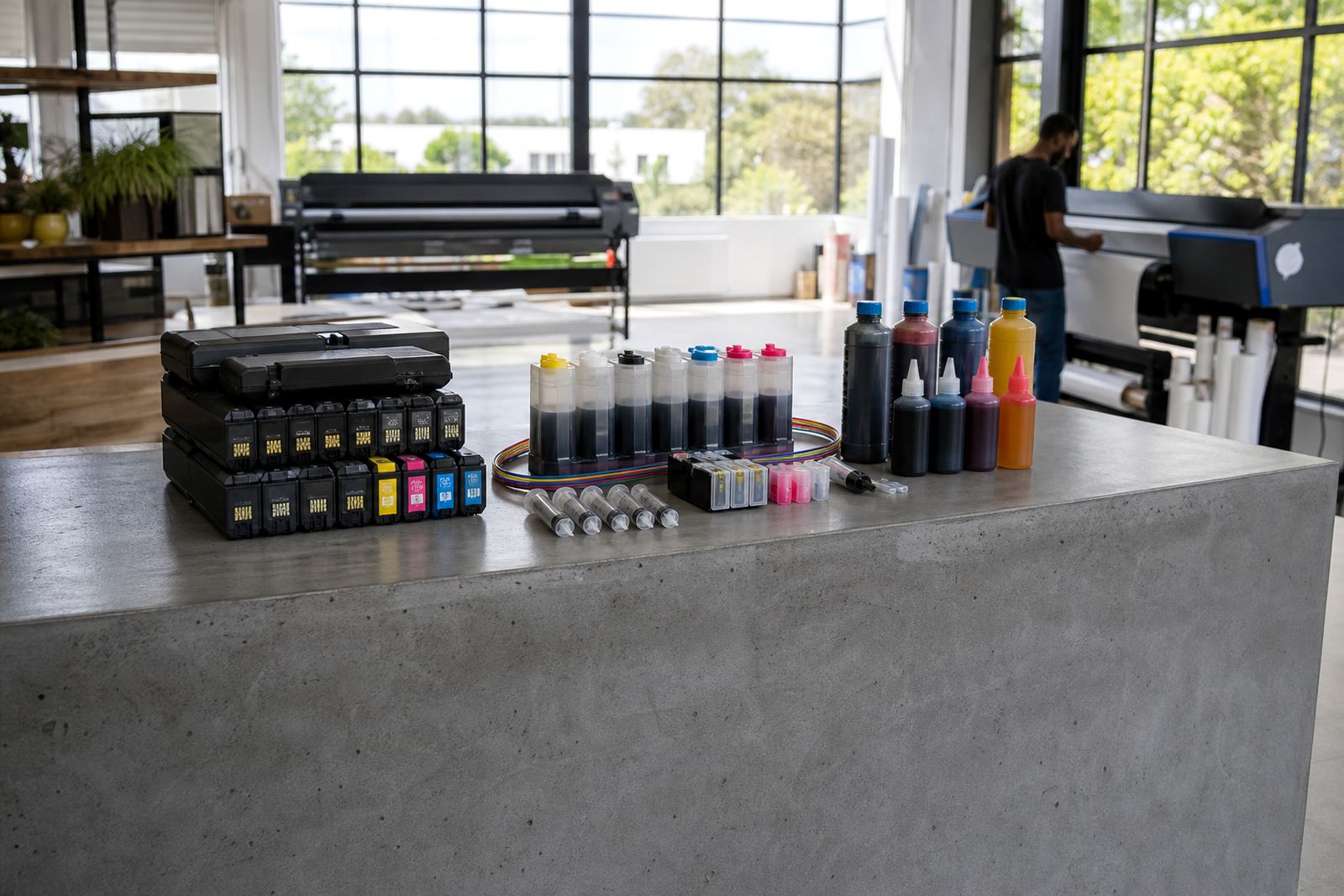
Bulk systems, including continuous ink supply systems and refill kits, suit heavier printing or wide-format work where stock turns quickly. Instead of replacing small cartridges often, ink is drawn from larger bottles or reservoirs. That means fewer pauses for replacement and less packaging moving through the store room.
A quick fit check before you decide
Start with the printer pattern, not the ink price. Some machines are forgiving, while others are fussy about cartridge shape, chip communication and ink chemistry. If a printer is used for presentations, proofing or client-facing work, consistent colour matters more than squeezing every rand from the consumable.
- Check whether the printer handles pigment, dye or both.
- Note how often you print each week and how many colours are used.
- Look at the room conditions, especially dust, heat and humidity.
- Ask who will top up ink, clean spills and run nozzle checks.
- Keep one set of empties aside for return or re-use planning.
In Durban and along the coast, humidity can affect storage and handling, especially if cartridges sit open for long periods. In drier inland cities the issue is often dust and static around work tables. The refill method should suit the room as much as the printer.
When pigment, dye and printheads start to matter
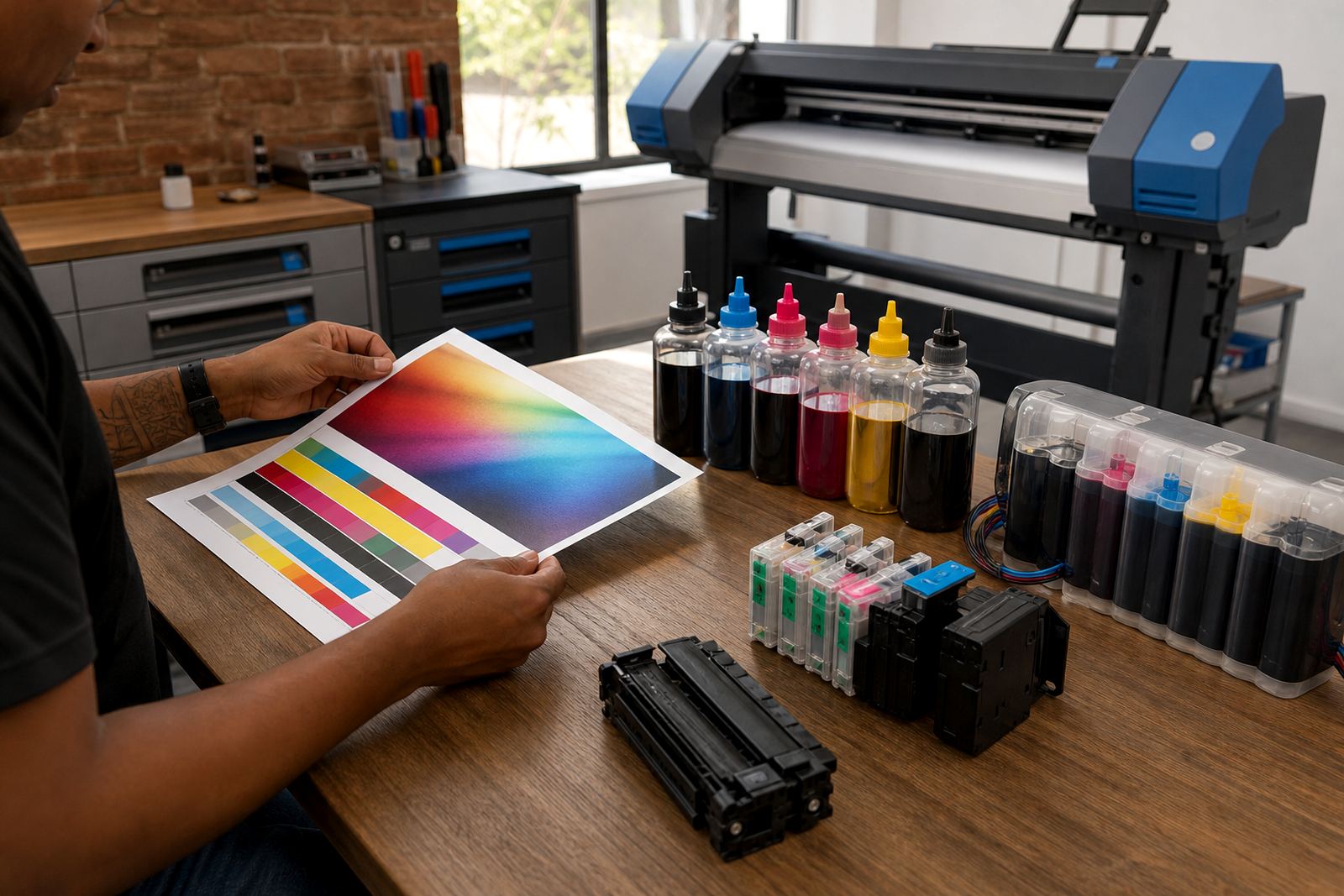
Dye ink usually gives bright colour and smooth photo output, while pigment ink is commonly preferred where sharper text, better water resistance or stronger document handling is needed. The wrong match can show up as dull colour, blocked nozzles or uneven output on coated and uncoated stock.
Printhead care is part of the decision. A machine that sits idle may need nozzle checks, light cleaning cycles and proper capping to keep channels open. If a user keeps pushing through blocked nozzles without checking the cause, the cost saving disappears into waste and reprints.
Chip resetters, where relevant, are there to help a refilled or reused cartridge communicate with the printer again. They are not a cure for poor filling, cracked housings or dry ink paths. Good refill work still begins with a clean cartridge body and careful handling at the bench.
What a refill routine usually needs
A tidy refill routine protects both the printer and the work table. Keep paper towels, gloves, syringes or filling tools, labels and a capped waste container close by. The exact tools change with the cartridge type, but the habits stay similar: keep the ink path clean, avoid overfilling, and test before putting a cartridge into normal use.
- Open one cartridge at a time.
- Confirm the ink type before filling.
- Seal the fill point fully after topping up.
- Wipe the cartridge body before installation.
- Run a nozzle check after fitting the cartridge.
For offices and studios with several printers, stock planning matters as much as the refill itself. Keep a small reserve of the colour sets that move fastest, and track which machines prefer original-format cartridges, refilled shells or a tank-style setup. That reduces the scramble when a client brief lands on a busy afternoon.
Picking the method by print volume
Low-volume users usually value simplicity. A refurbished cartridge can be the least fiddly option when the printer is used for admin pages, proofs and short runs. It reduces handling and keeps the workflow close to what the machine was designed for.
Regular users who are comfortable with careful handling often save more with manual refills. The upside is control, especially where colour work changes from week to week and the team wants to monitor every cartridge closely. The trade-off is labour, because someone must keep an eye on levels and condition.
Heavier users often lean toward bulk systems. Wide-format print shops, studios with repeated colour output and offices with many daily pages benefit from larger reservoirs and fewer interruptions. Once the setup is correct, the focus shifts to maintenance, alignment and keeping the ink path stable.
Empty returns, courier delivery and local support
Empty cartridges can be kept for a return programme instead of going straight into general waste. That helps reduce disposal clutter and keeps reusable shells in circulation where possible. It also makes it easier to plan the next refill or refurbish cycle.
InkEx works from Westville, Durban and supports offices, studios and print rooms across South Africa, including Durban, Pietermaritzburg, Johannesburg, Pretoria, Cape Town, Ballito and Hillcrest. Courier delivery suits teams that manage multiple machines or work across more than one site.
Our contact form is the place to send printer model details, cartridge type and any refill concerns. The team includes Sibusiso Kotze, Ayesha Majola, Mandla Zondi, Lauren Naidoo, Johan Mabena and Nokuthula Mabuza, each handling a different part of the order, dispatch or support process.