
Start with the printers that actually pull through ink
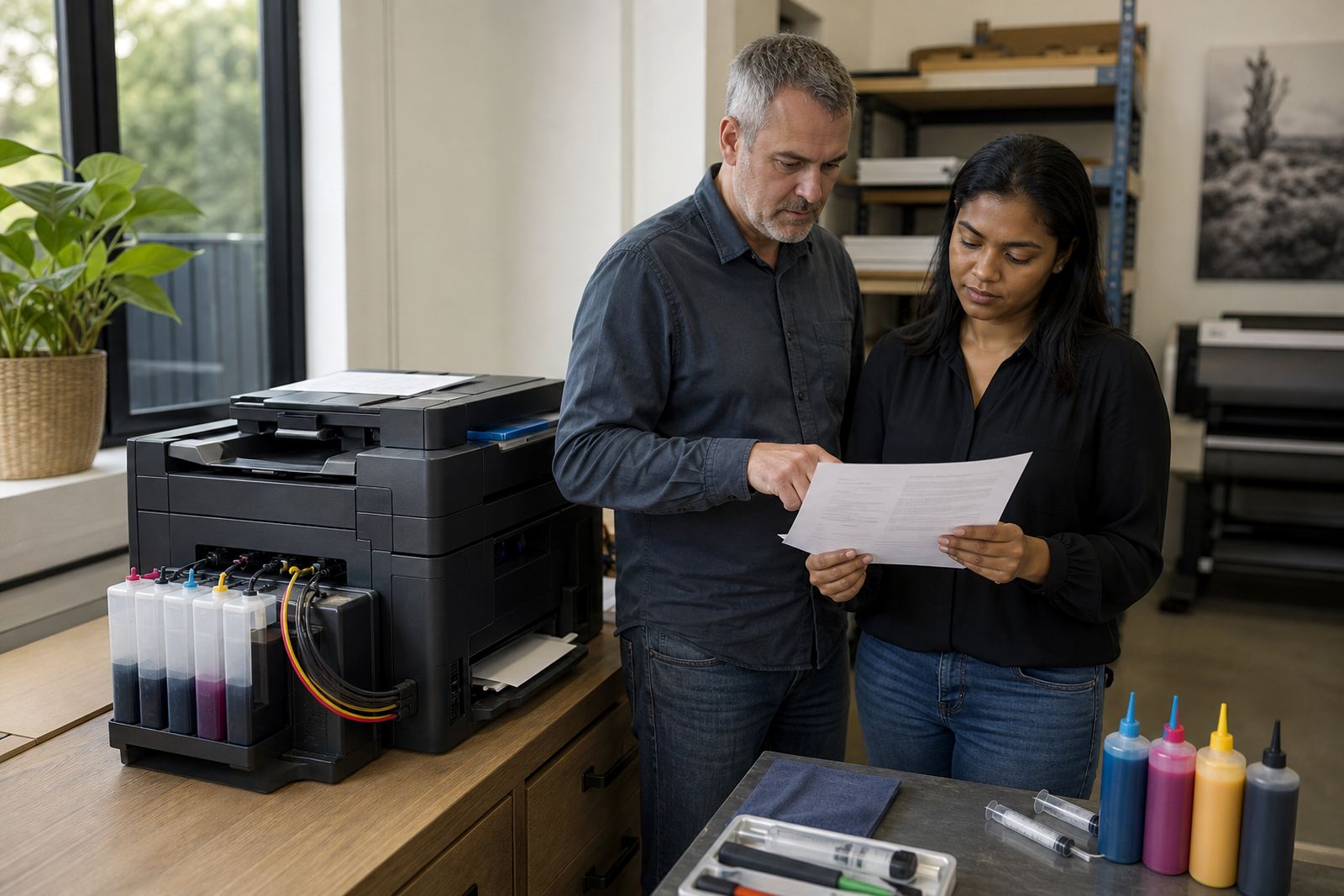
Begin with the machines that print every week, not the ones that only wake up for the odd invoice or proof sheet. In offices and studios, that often means separating the high-use benchtop printers from the wide-format unit, then noting which colours move fastest. Black usually leads, but photo work, proofs and artwork can push cyan, magenta and yellow in different patterns.
Write down average use over a normal month, not your busiest patch. A Westville office that prints reports and letters will store differently from a Durban studio handling colour mock-ups, and both will differ from a print shop running larger sheets. When you know which unit drains first, the rest of the plan gets easier.
- List every printer model in service
- Mark high-use and low-use machines
- Separate black, colour and wide-format usage
- Note which printers must stay ready every day
Build a working minimum, then set the top-up point
A useful stock plan has two numbers for each item: the level that makes you nervous and the level that means you can wait. Keep a minimum for each cartridge type or bottle, then set a top-up point before the shelf runs bare. That gap gives you room for courier delays, internal approvals and the odd surprise print run.
Do not use one number for everything. A refill kit for a busy office can move faster than a specialised photo ink, while a wide-format black may empty at a pace that catches people off guard. If the item is slow-moving, the top-up point can sit lower so money is not locked into stock that ages on the shelf.
- Set a minimum for each colour and size
- Use a separate level for slow movers
- Keep a little extra for peak periods
- Review the numbers after a busy month
Refurbished cartridges and refill systems need different shelf habits
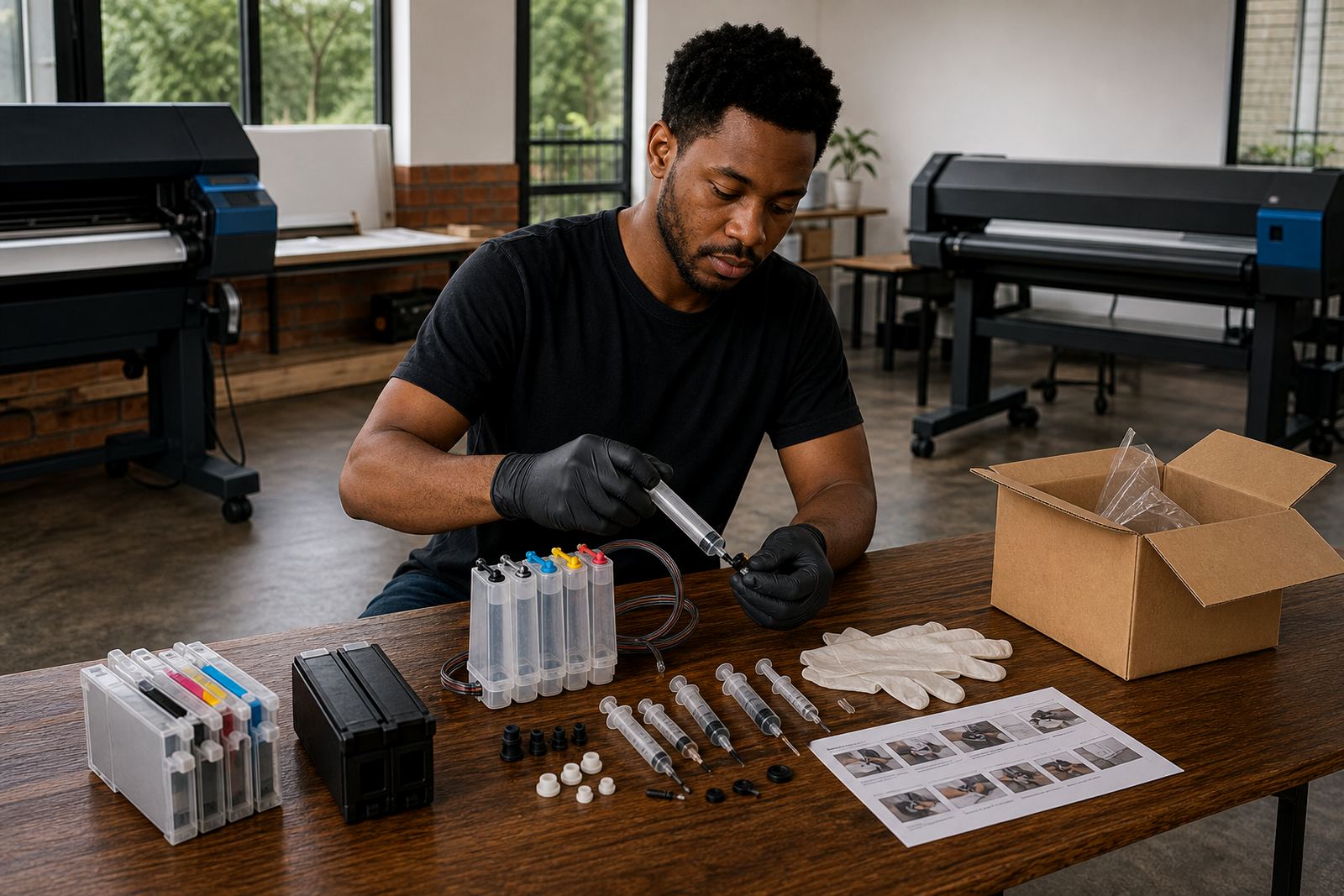
Refurbished cartridges are ready-to-fit items, so they suit teams that want a quicker swap at the machine. Bulk ink systems and refill kits need a little more organisation because the ink, tools and cartridges all have their own use pattern. A studio that refills often may keep bottles and spare components together, while a branch office may only need a small reserve.
Store sealed items away from heat and direct sun, and keep lids tight once opened. Ink that sits too long in a warm storeroom can shift in condition, especially in Durban’s coastal humidity. Label the date opened, and use older stock before newer stock so bottles do not linger beyond practical use.
- Separate sealed stock from opened stock
- Label open bottles and refill packs
- Keep storage cool, dry and shaded
- Use older items first
Watch colour balance before the shelf gets crowded
Colour stock often gets out of balance when one hue runs down faster than the others. People then buy full sets just to cover the missing one, and the slower colours start stacking up. For offices and studios that print mixed work, a better habit is to replace only the colours that actually move, while keeping a small backup of the common ones.
Dye ink and pigment ink also deserve separate planning. Dye is often used for bright colour work and photo output, while pigment is preferred where sharper text and better water resistance matter. Keep these apart in storage and on the order list, because mixing them in the wrong place creates confusion at the machine.
- Check which colour drops first
- Keep dye and pigment stock separate
- Do not overbuy full sets for one missing colour
- Match the ink to the printing job
Keep the machine side in the plan too
Stock planning is not only about bottles and cartridges. Printhead care, nozzle checks and chip reset help all affect how much ink gets used and how often a unit is taken out of service. A printer with blocked nozzles or repeated error messages can burn through stock while people try to force a job through. That is expensive and it wastes time.
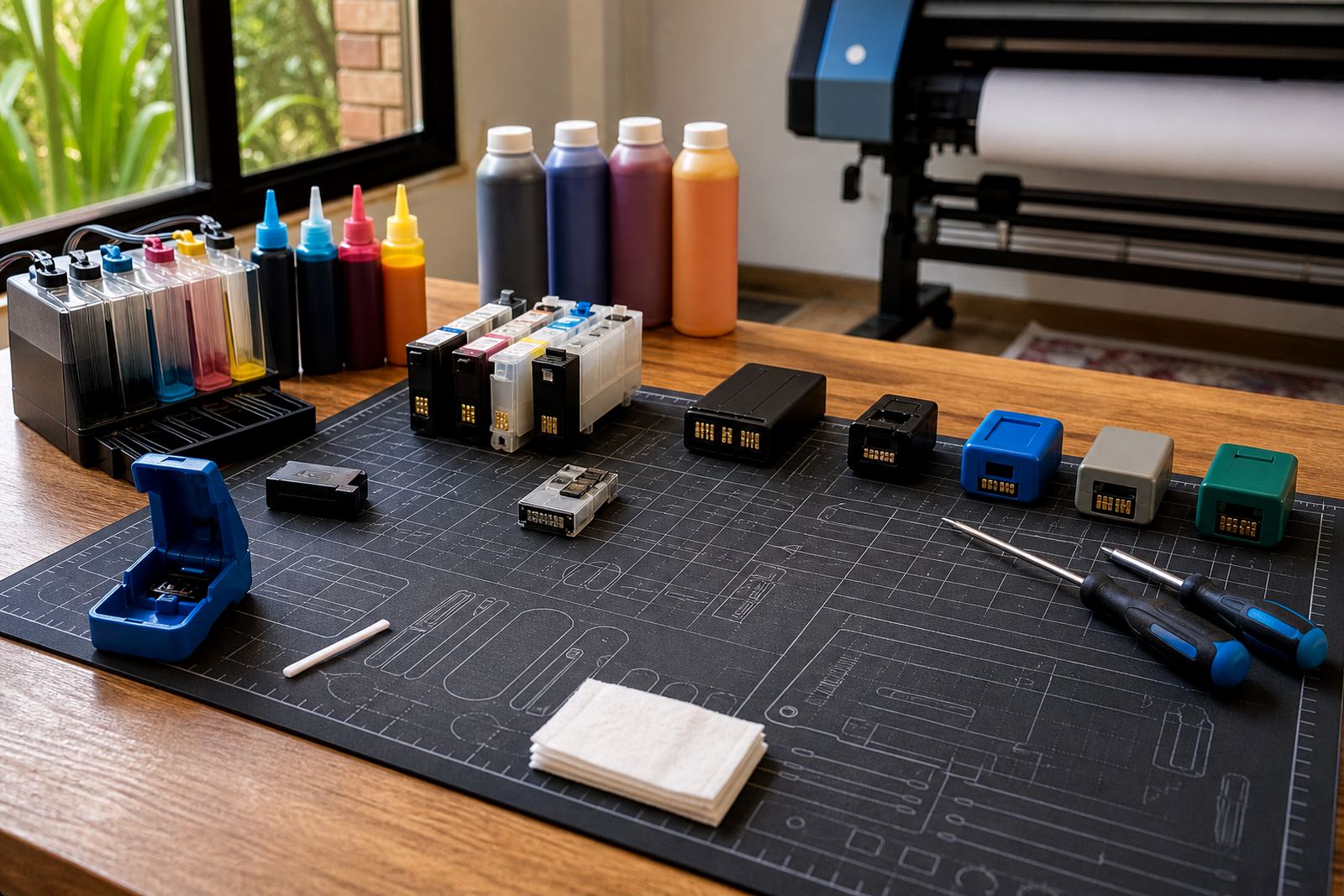
For refill systems, keep spare chips, reset tools where relevant and cleaning supplies together, but do not treat them as general clutter. If a machine starts missing lines or the colour shifts, deal with the fault before ordering extra ink to compensate. In many cases the problem is on the printer side, not the stock side.
Move empties back into the loop
An empty return programme helps reduce waste and keeps the storeroom clearer. Put used cartridges and empty containers into a marked box instead of leaving them on shelves or under work tables. That makes counts easier, and it shows which items are passing through at speed.
Some teams keep a simple return day each week, others send empties out with the next courier run. Either way, the aim is the same: fewer loose shells, cleaner shelves and a better idea of what must be replaced. If you are running offices across Johannesburg, Pretoria, Cape Town or Pietermaritzburg, the same routine helps all sites stay consistent.
- Use a marked box for empties
- Keep returns separate from live stock
- Count empties before restocking
- Link returns to your normal dispatch routine
A monthly check that keeps stock honest
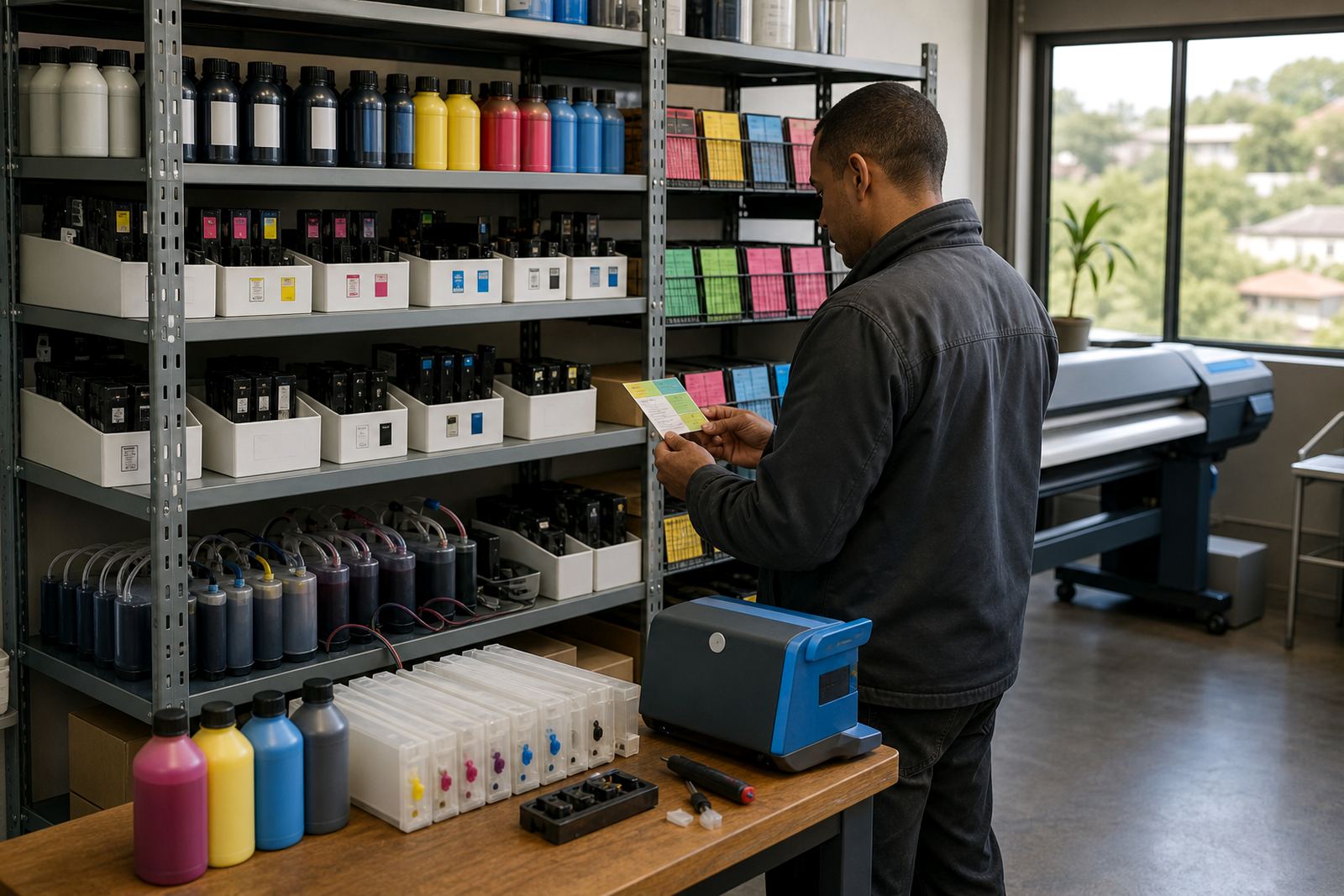
Once a month, walk the shelves with the printer list in hand. Count what is open, what is sealed and what is sitting untouched. Then compare that with the jobs completed, the colours used and any service calls about leaks, nozzle checks or poor colour balance. The gap between those two pictures tells you where the stock plan is too heavy or too thin.
Use that review to trim weak movers and protect the items that keep your main printers running. A little discipline here saves space in a Westville storeroom and avoids unnecessary courier runs to Ballito or Hillcrest for one forgotten cartridge. It also helps the team plan refill work instead of reacting when the shelf is already bare.
- Count sealed, open and used stock separately
- Compare shelf levels with actual print use
- Cut back slow movers before they pile up
- Protect the items your main printers rely on