
Why a date on the label saves confusion later
A label with a date, batch note and ink type gives a clear paper trail when stock moves between shelves, worktables and dispatch. In a busy Durban room, that small habit can stop an older cartridge from sitting behind newer stock until the nozzle starts to dry out.
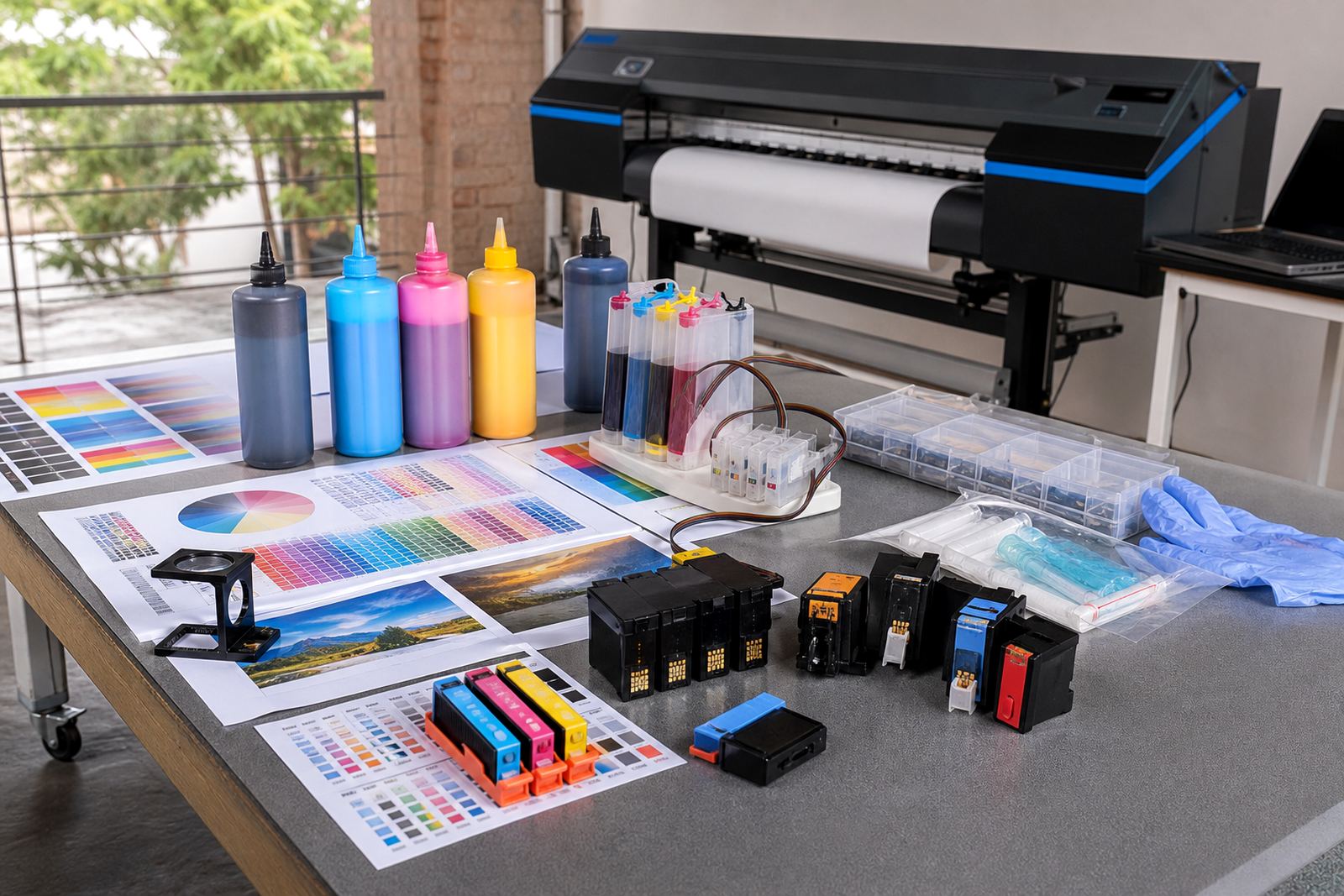
Refurbished cartridges and refill kits often look similar once they are unpacked. Without a batch note, it is easy to mix a dye set with a pigment set, or to place a high use black cartridge beside a photo ink pack and lose track of what belongs where.
- Date of refill or receipt
- Ink type, such as dye or pigment
- Printer family or cartridge group
- Test status and any leak check note
What a useful batch note should say
The best batch note is short and plain. It should help the person packing, the operator at the machine and the person doing stock counts all read the same story.
For Westville offices and Hillcrest studios, a handwritten note on the outer bag often works well when the label printer is busy or a cartridge is waiting for courier collection. If the note is clear, the team can spot which items need printhead care, which ones were checked for air in the line and which empties should go into the return crate.
- Batch number or refill group
- Colour set included in the pack
- Any cleaning or nozzle check done
- Whether a chip reset was done or still needed
Sorting refurbished cartridges from fresh refill stock
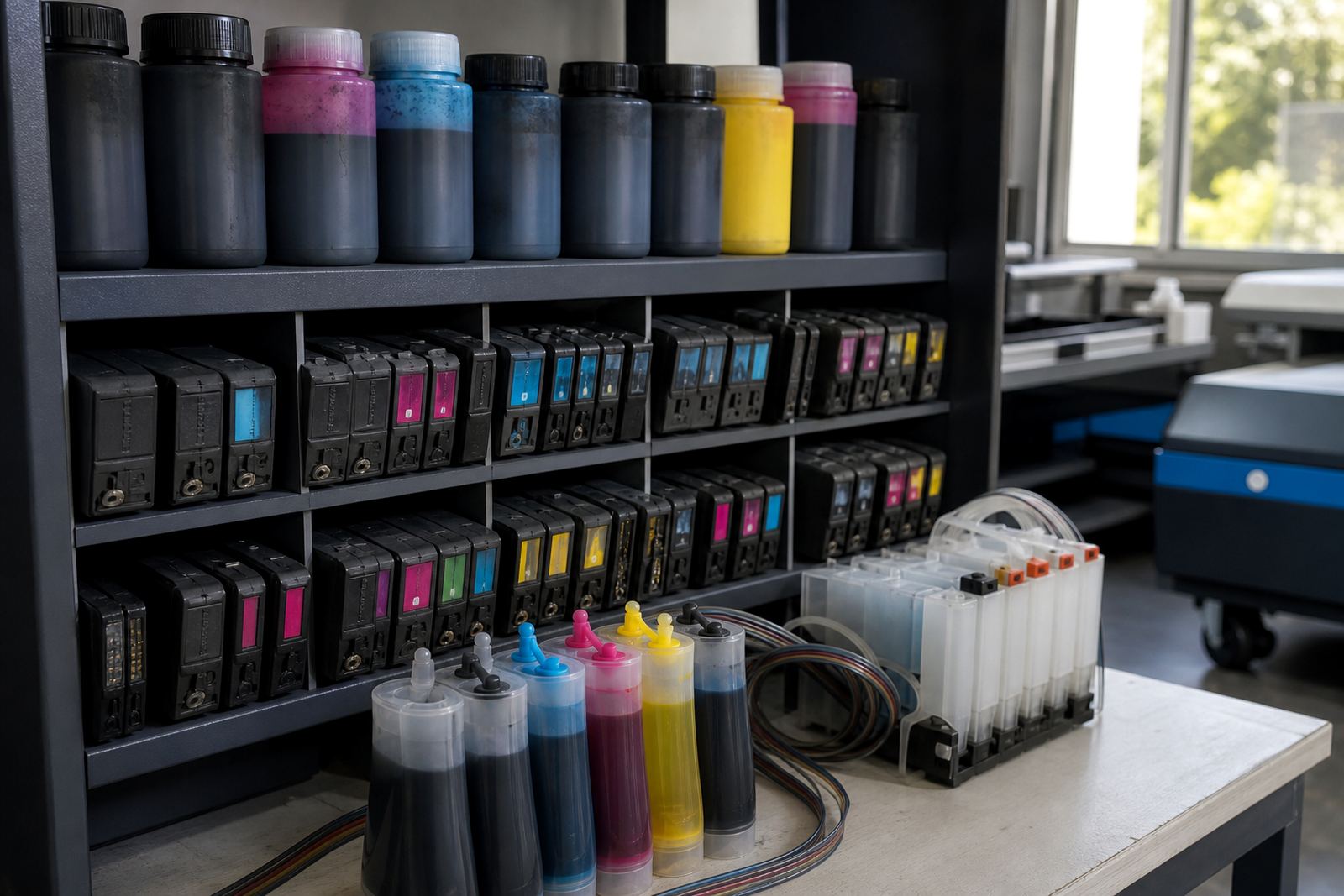
Refurbished cartridges deserve their own shelf space. They should not sit loose beside sealed ink bottles, because one is ready to install and the other still needs handling, priming or a final check.
A neat shelf layout also helps when the team handles mixed demand from Pietermaritzburg, Johannesburg and Cape Town. Bulk ink bottles, refill syringes, seals and cartridges all move differently, so the label should tell staff what can leave the shelf, what needs another look and what should remain in a holding tray.
- Keep sealed and opened stock apart
- Mark test-fitted items clearly
- Store pigment and dye ink separately
- Tag problem units for follow-up work
Label habits that support cleaner refill work
Good labels help reduce spill risks and waste, especially when technicians work with refill kits and continuous ink supply systems. If a bottle is marked clearly, the wrong colour is less likely to land in the wrong chamber and a printhead is less likely to carry mixed residue.
A batch note can also record the small details that matter later, such as a cap that sat loose, a line that needed priming or a cartridge that needed a second nozzle check. Those notes are useful in a shop on a humid Durban day, where ink handling needs a bit more care than it does in a dry inland storeroom.
- Use waterproof labels where possible
- Write colour names in full
- Mark partial bottles and open packs
- Separate routine stock from test stock
Empty returns work better when each one has a trace
An empty return programme runs cleaner when each cartridge or tank set carries a batch mark. That lets the team see what came back, what was reused, what needs cleaning and what should be kept aside because the housing is damaged.
For an office in Pretoria or a design studio in Ballito, this trace keeps the return crate in order. It also helps when a customer asks for stock planning help, because the team can see how many empties are moving through the same printer range and how often the set is cycling.
- Record the date the empty left the site
- Note the machine model or cartridge family
- Mark units that need extra inspection
- Separate reusable returns from damaged ones
A Westville example from a mixed print room
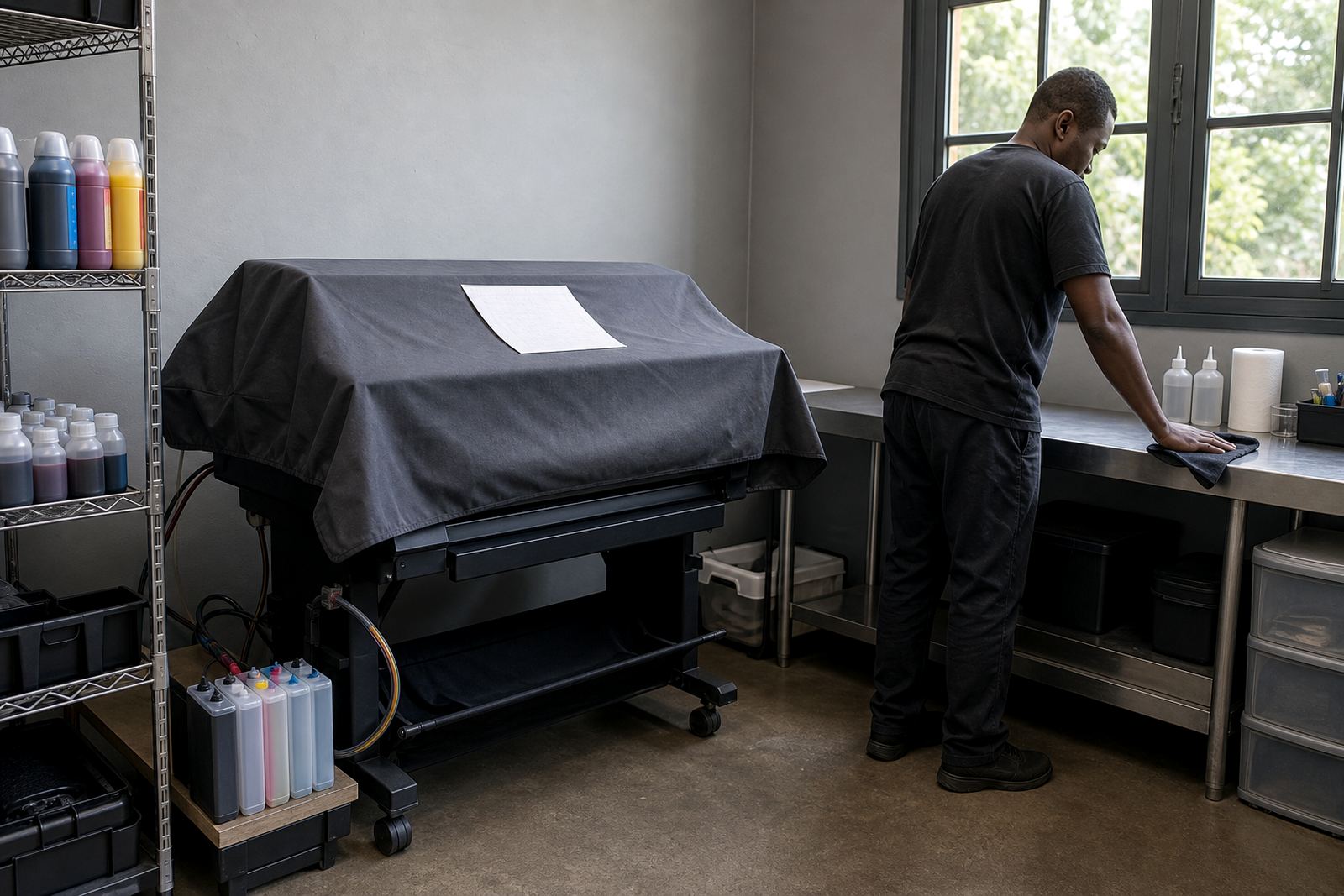
Picture a small print room in Westville serving a Durban office, a few artist proofs and regular courier work. There are pigment blacks for documents, dye colours for display work and a couple of refurbished cartridges waiting for installation. Without batch notes, that shelf becomes guesswork by Friday afternoon.
With simple labels, the team can see which item belongs to the wide-format machine, which set needs refill advice and which cartridge should be checked before use. That makes stock rotation steadier and cuts down on the small mistakes that waste time, ink and patience.
Batch labelling is not paperwork for its own sake. It is a practical way to keep shelves honest and the printing flow easier to manage.