
The small office question is usually about routine, not volume
A four-person office that prints letters, invoices and a few colour pages each week does not need the same setup as a studio running proofs all morning. The real question is whether the printer is handled by one careful person or shared across a busy room where anyone may press print and move on.
Manual refills suit offices that watch their supplies closely and keep the printer in one place. Refurbished cartridges suit teams that want a cleaner changeover, less hands-on filling, and fewer spills on the work surface. In a Westville office, that difference can matter more than the machine model itself.
When manual refills make sense in a small office
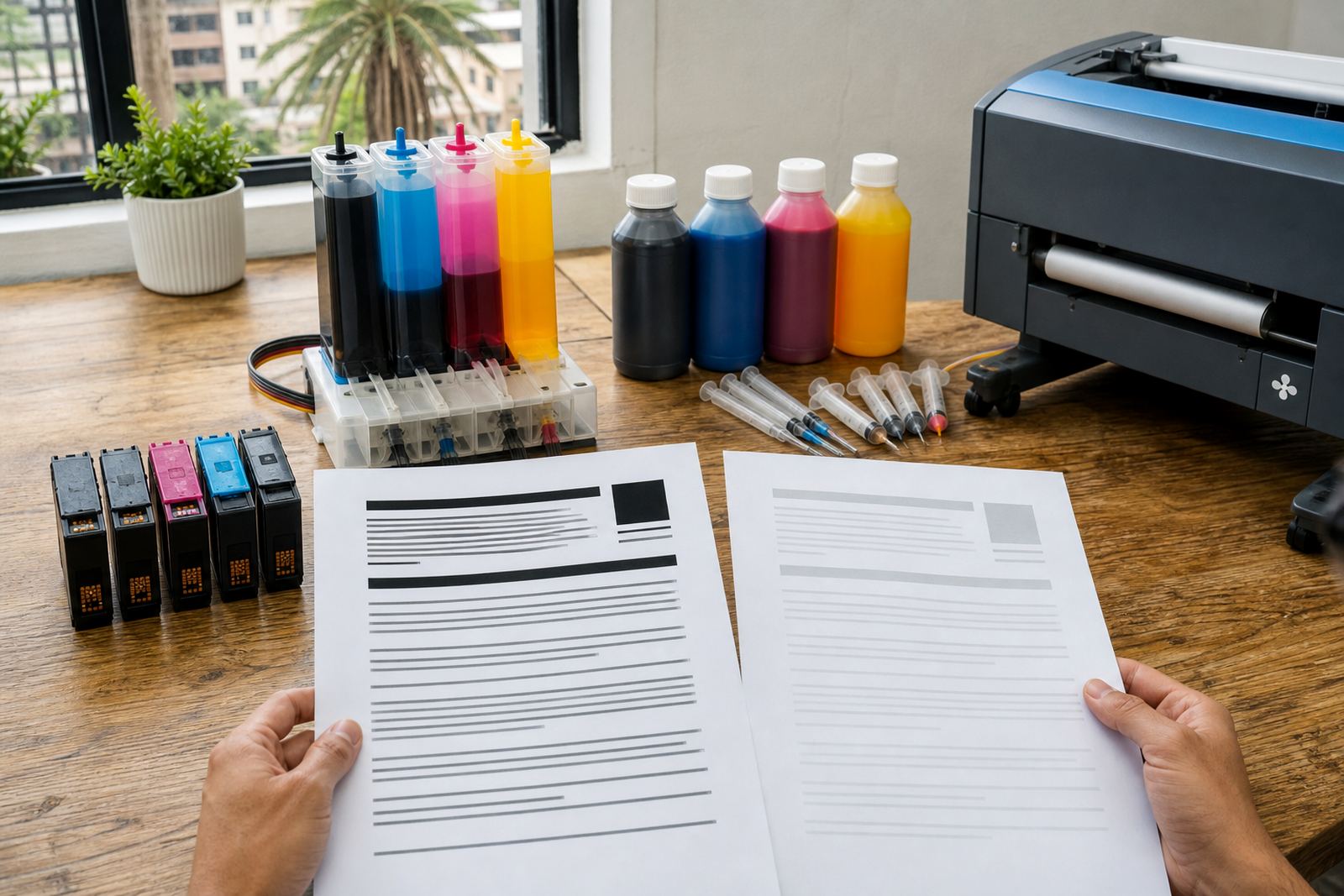
Refill kits and bulk ink systems can lower running cost, especially where the same printer is used for drafts, internal forms and basic colour work. They also help where empty cartridges are returned or recycled instead of thrown away after one use.
Manual refills work best when somebody is willing to follow a careful routine. That means handling the correct ink type, checking the sponge condition, and avoiding overfilling. A rushed refill can lead to streaks, misting or a cartridge that leaks inside the printer tray.
- Best for steady, repeat printing of letters, quotes and admin forms
- Useful where one person looks after consumables and keeps records
- Handy when the office wants lower waste and lower ongoing ink cost
- Needs a tidy refill area and a steady hand, not guesswork
Where refurbished cartridges are the calmer option
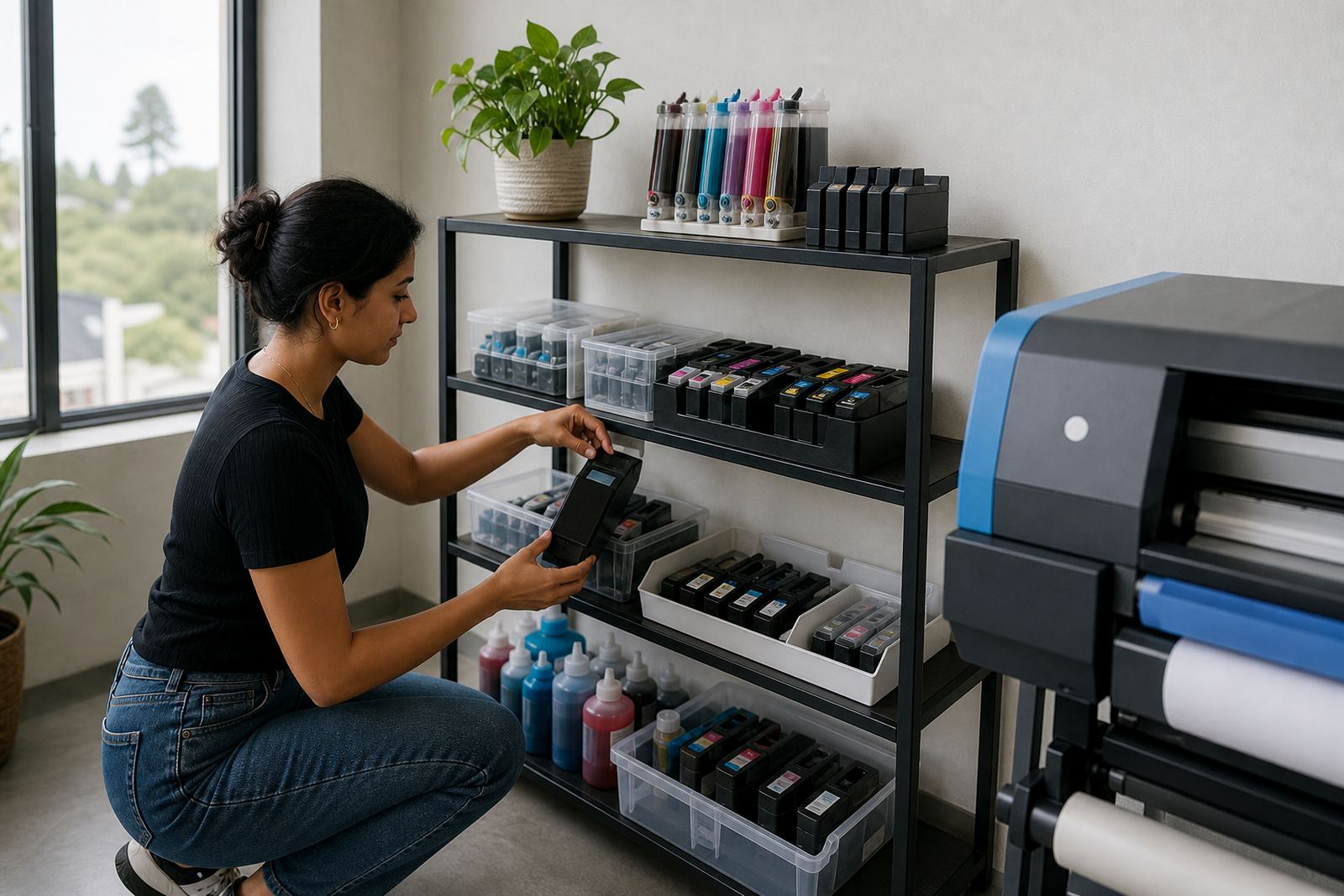
Refurbished cartridges suit offices that want a ready-to-fit unit without dealing with syringes, caps and ink bottles. The casing is cleaned, checked and prepared for reuse, which can save time when the printer is shared by several staff members.
They are often the better fit where output needs to be predictable and the printer gets used in bursts. A small legal office in Hillcrest, for example, may prefer refurbished cartridges because the team needs clean text, fewer interruptions and less chance of someone refilling the wrong colour by mistake.
- Good for shared office printers with mixed users
- Useful when neat handling matters more than hands-on refill control
- Reduces the chance of spills near files, keyboards and paper stock
- Works well for offices that want a straightforward swap-in option
Ink type matters more than many offices expect
Not all ink behaves the same way. Dye-based ink often gives brighter colour on plain paper and is common in everyday office printing. Pigment ink is better for text that needs sharper edges and better water resistance, though it can need more care if the printer sits idle.
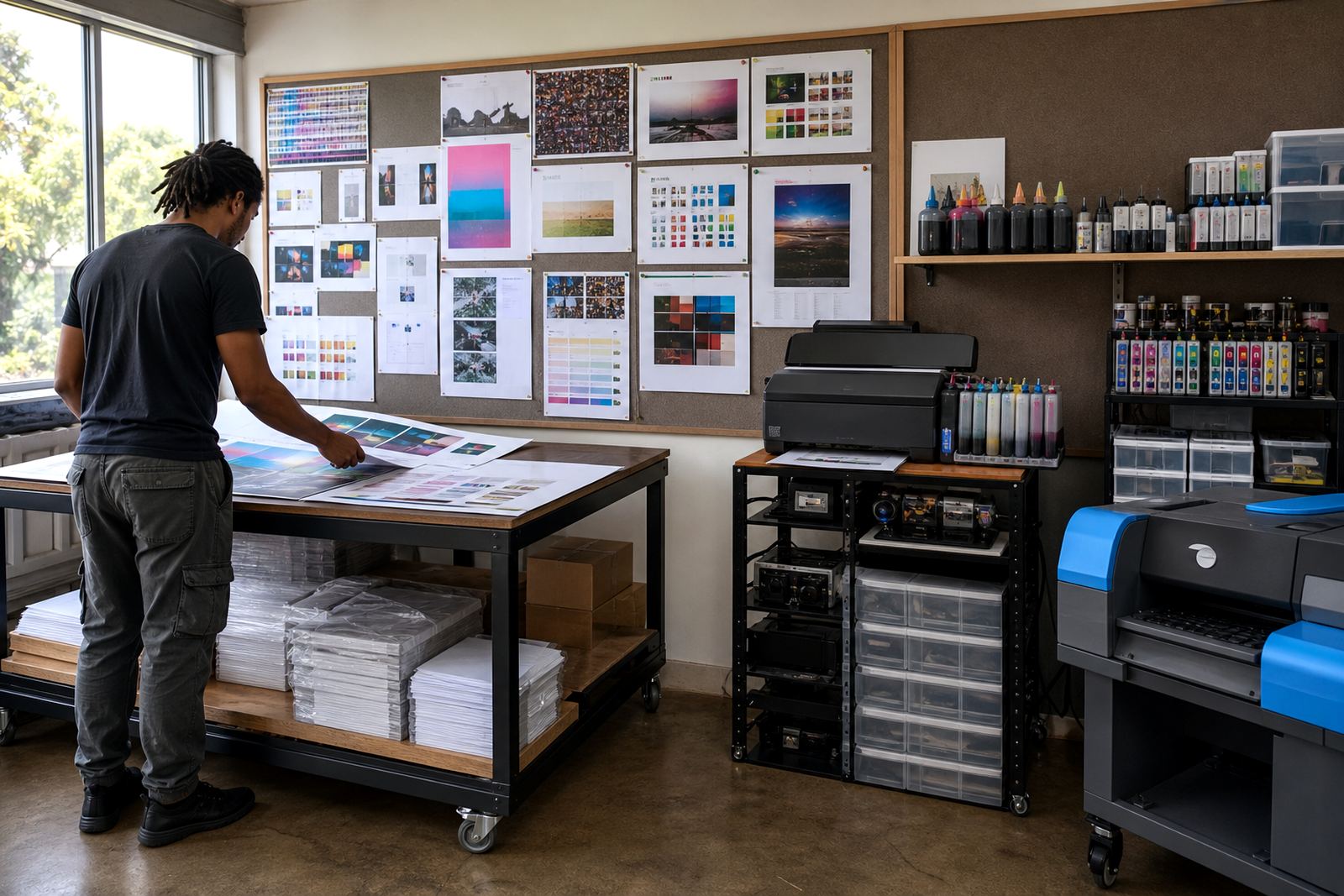
For small offices, the choice should match the printed output. A design studio in Durban may need stronger colour handling for proofs, while an accounts office may only need crisp black pages and occasional colour charts. Using the wrong ink type can lead to dull colour, clogging or wasted paper while the settings are adjusted.
The hidden cost is usually printhead care
Printers do not forgive neglect. Clogged nozzles, dried heads and misread chips can turn a cheap refill into a headache. That is why printhead care is part of the decision, not an extra.
Good practice includes regular nozzle checks, clean handling of cartridges, and watching for banding before the problem spreads across a whole job. Chip reset help may be needed in some setups, while leak checking is worth doing before the cartridge goes back into a machine that sits near files and electronics.
- Run nozzle checks before the office starts a heavy print run
- Keep printer covers closed when the machine is not in use
- Do not mix ink types unless the cartridge and printer setup allow it
- Watch for faded blocks, broken lines and odd colour shifts
A Durban office example with a practical outcome
A small consultancy in Westville, Durban may print contracts, reports and client packs, then go quiet for a day or two. In that setting, a refurbished cartridge can be the safer choice for the main printer because it is tidy, quick to fit and easy for the team to understand.
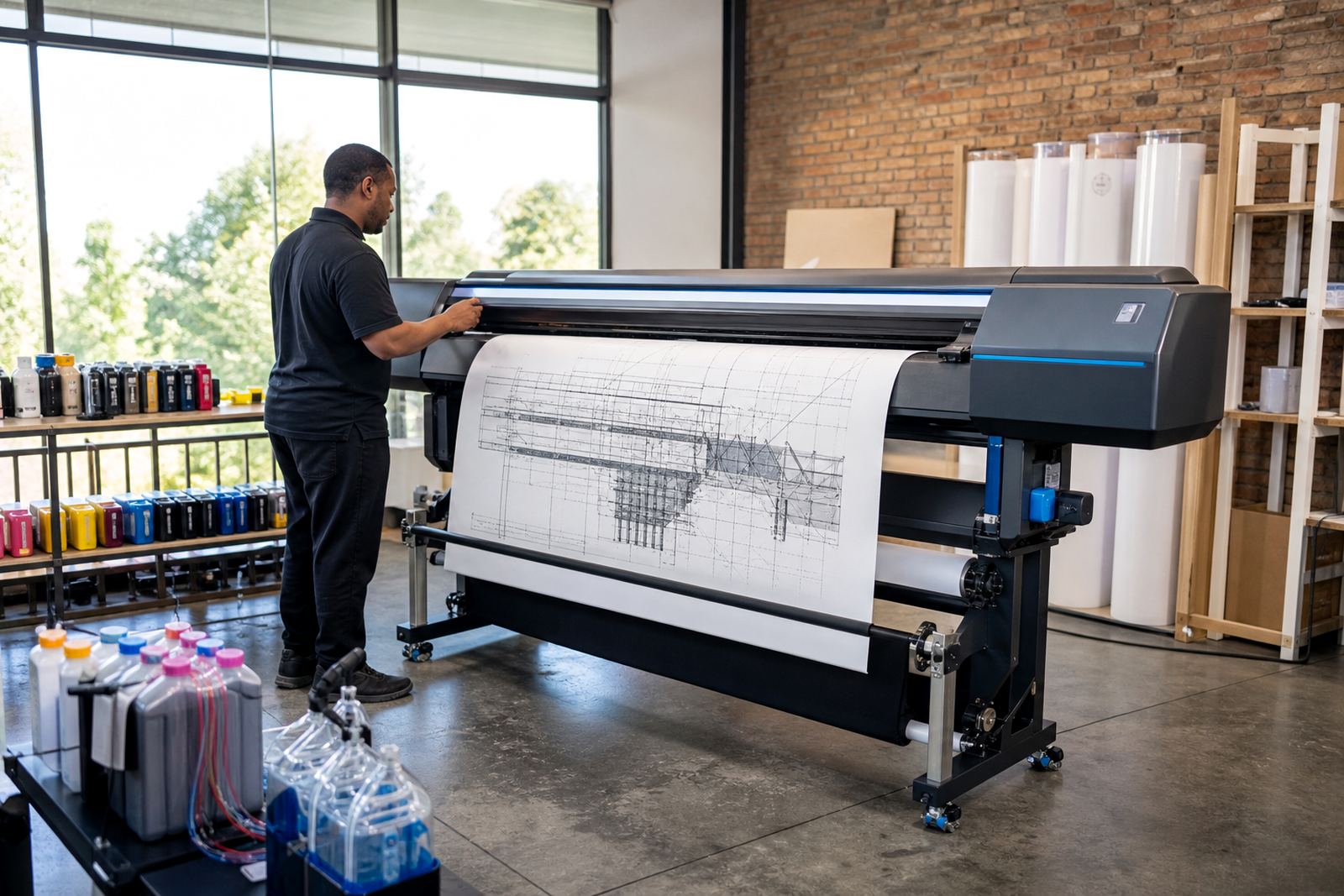
If the office also produces colour mock-ups or internal drafts, a bulk ink system can make sense on a second machine used for higher page counts. That split approach keeps the main office printer dependable while the second unit handles the heavier workload. Operator training matters here, because one person needs to know what to check before the cartridge is swapped or topped up.
A small office rule for choosing the setup
Manual refills are usually best when the office is disciplined, prints often enough to keep ink moving, and wants the lowest running cost per page. Refurbished cartridges are usually better when the team values convenience, cleaner handling and fewer small mistakes.
The best answer is often a mix. Keep refurbished cartridges for the shared office printer, then use refill systems where the print volume is steady and one person manages supplies. That approach works well in places like Pietermaritzburg, Johannesburg, Pretoria and Cape Town too, where courier delivery and local stock planning can keep small offices supplied without unnecessary waste.
If you already know how your office prints, the choice becomes less about theory and more about daily use. Quiet printers, shared users and careful admin lean toward refurbished units. Higher volume, tighter budgets and regular colour use lean toward refill systems, provided the printer is looked after properly.