
What to do the moment a cartridge comes out
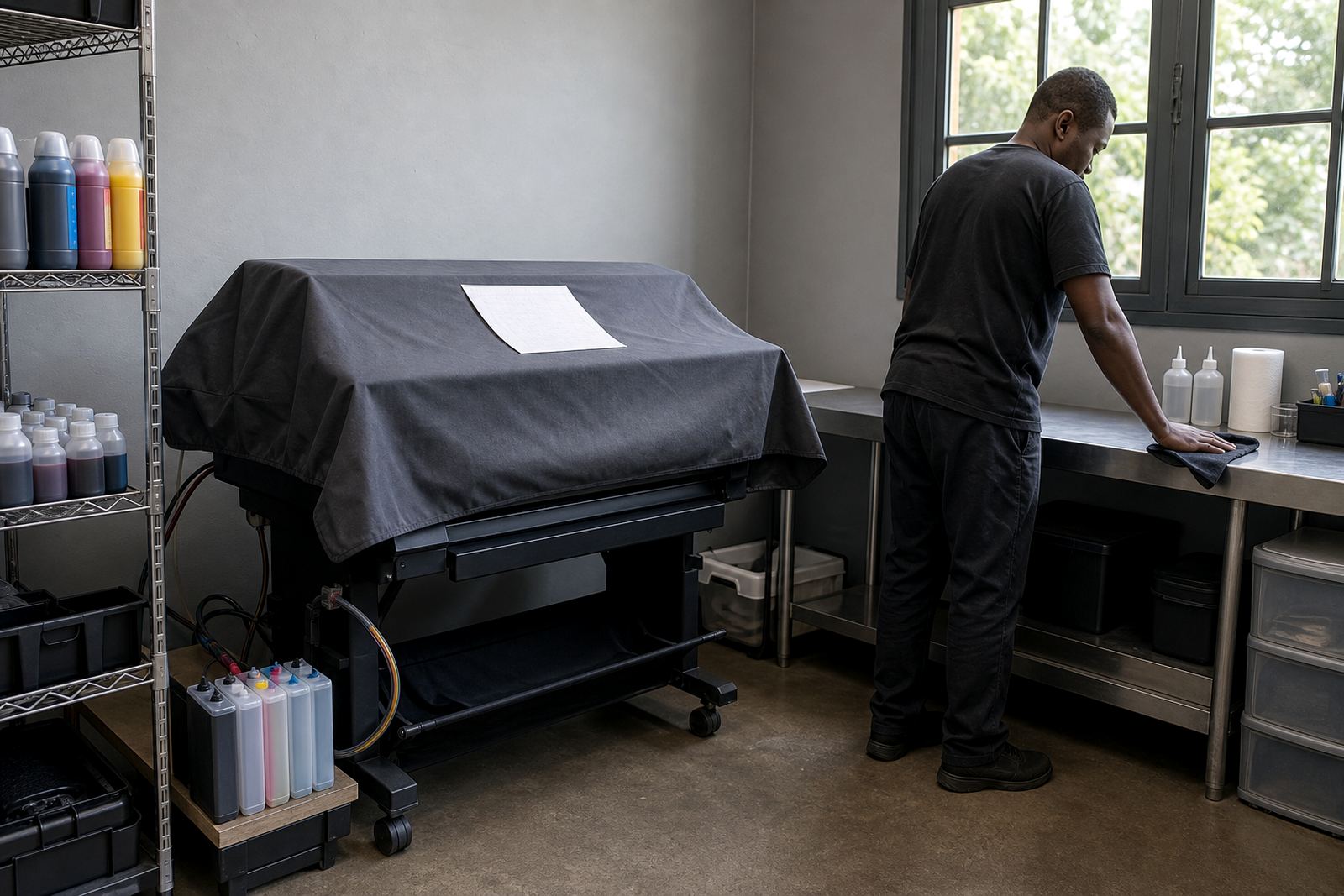
As soon as a cartridge is removed, wipe away loose ink from the outside with a dry lint free cloth. Keep the contacts and nozzle area free of dust, paper fibres and tape residue, because those small bits cause trouble later when the unit is inspected or refilled.
If the cartridge is still damp, let it sit upright for a few minutes on a protected surface. Do not shake it hard or press on the sponge chamber. That can push ink into the wrong places and leave stains inside a storage box or courier bag.
- Keep the cartridge upright where possible.
- Set it on paper or a tray, not directly on fabric.
- Cover the print opening only after the outside is dry.
- Separate damaged units from clean empties.
A storage spot that works in a Durban office
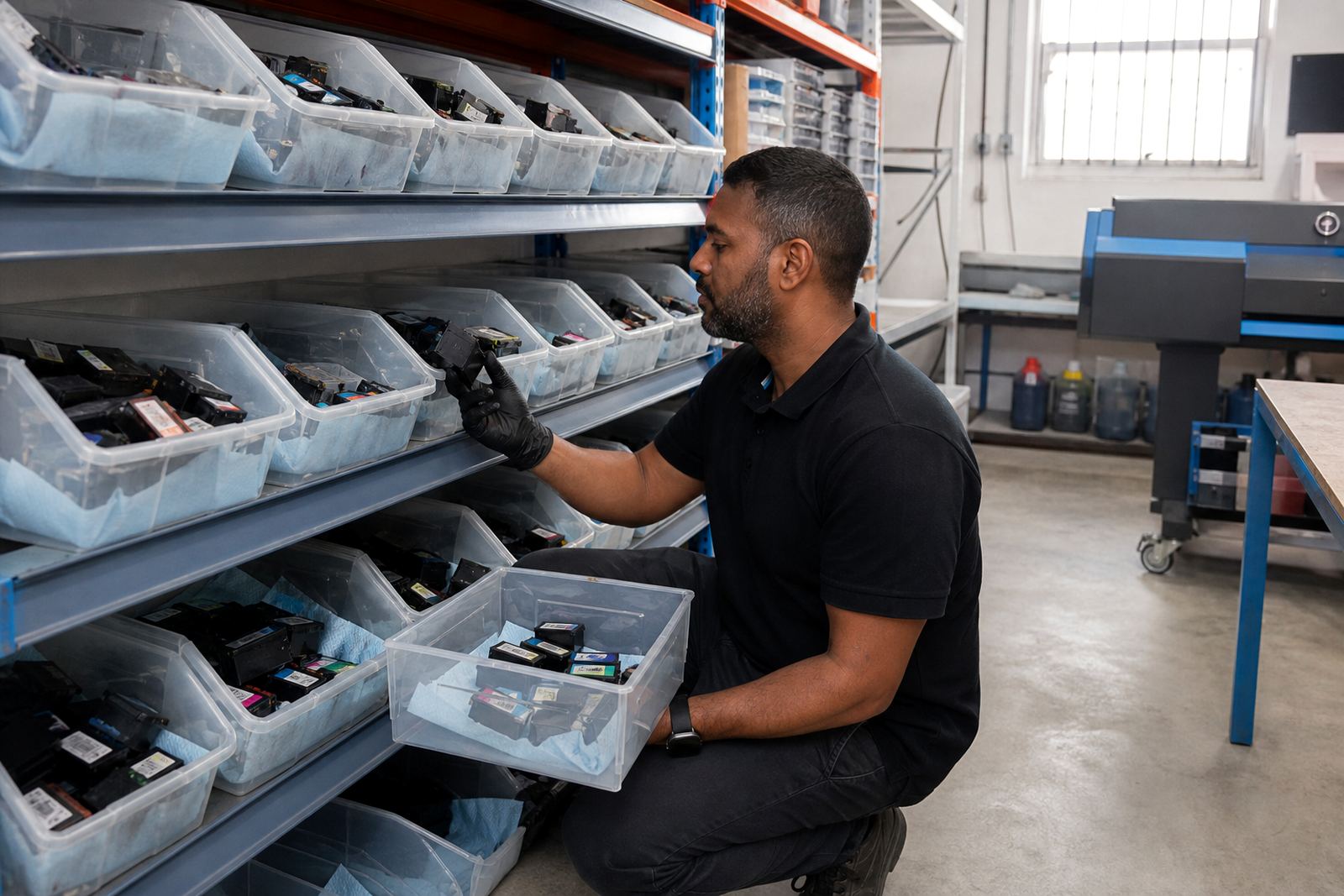
Westville humidity can make a tidy drawer feel damp by the afternoon, especially near a kitchen or window. For that reason, a storage container with a lid is better than an open shelf. A plastic tub or cardboard box lined with paper keeps dust down and helps stop stray ink marks from spreading.
Group similar cartridges together and keep them away from direct sun, heat sources and cleaning chemicals. If the cartridge will be returned, note the model family or printer type on the box. That saves time when the stock is checked later and stops mixed units from ending up in the wrong pile.
- Use a closed container with a flat base.
- Label one box for used black cartridges and one for colour units.
- Keep loose caps, clips and packaging together in a small bag.
- Store the box off the floor if the area is prone to dampness.
Inspection before return, refill or recycling
Not every empty cartridge is ready for the same path. Some are suitable for refill, some are best sent for recycling and some need a closer look first. Check the casing for cracks, broken latches, burnt contacts, and any dried ink around the outlet or vent. If a sponge has collapsed or a body has warped, do not force it back into service.
For offices that use a refill plan, the inspection stage matters because a cartridge with hidden damage can leak inside the printer carriage or miss print after fitting. A clean unit with sound seals is far easier to work with than one that has been tossed into a box with staples and loose labels.
- Look for cracks along the edges and clip points.
- Check whether the contacts are clean and intact.
- Set aside any unit with heavy leakage or deformation.
- Keep recycling returns separate from refill candidates.
How refilling and chip care fit into the process
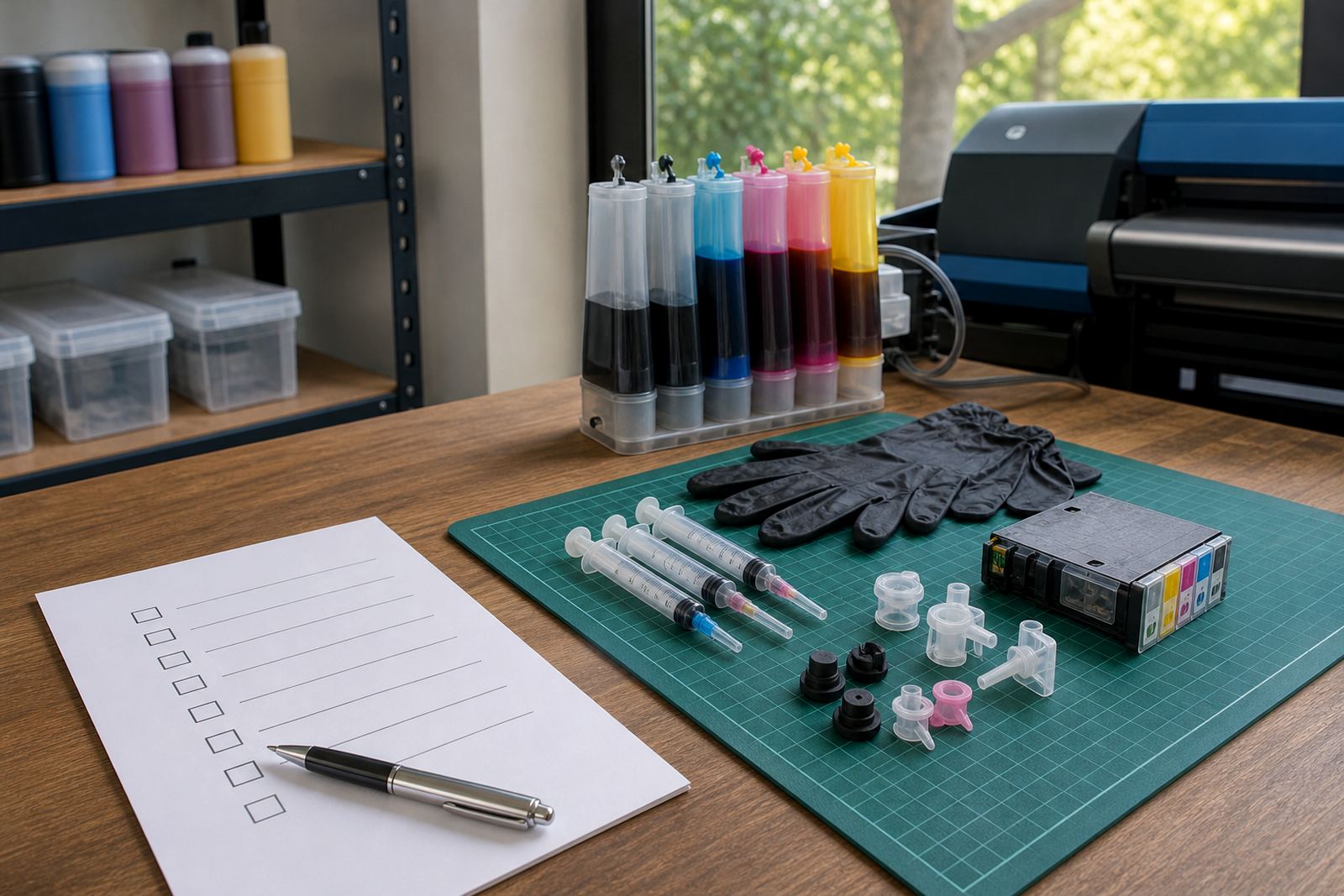
Refill work is not only about adding ink. The cartridge body has to hold the ink properly, the sponge or chamber must accept the fill, and the chip needs to communicate with the printer in a sensible way. Some systems use a reset method, while others rely on replacement chips or built in monitoring. The exact method depends on the cartridge type and printer range.
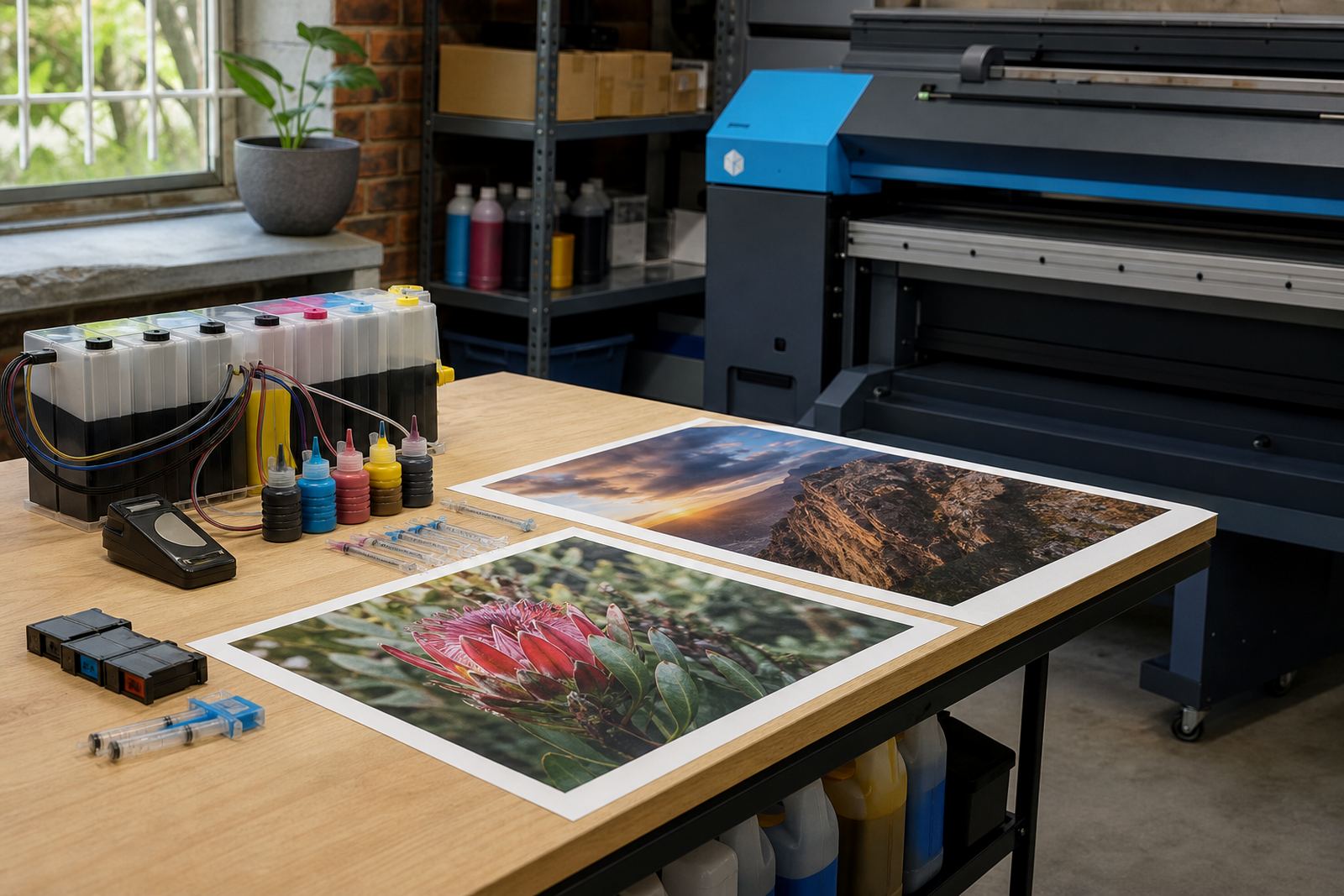
Ink choice matters too. Dye based ink tends to suit bright office colour pages and many graphics jobs, while pigment ink is often preferred where sharper text or better resistance to moisture is needed. The wrong fill can affect output, nozzle health and long term printer behaviour, so matching the ink to the job is part of the handling process.
- Keep refillable units clean before any top up.
- Do not mix leftover inks in one cartridge.
- Check that the chip area is free of dried residue.
- Use the ink type suited to the printer and workload.
Courier return packs that keep the mess under control
When empties are going out by courier, pack them so one leaking cartridge does not spoil the lot. Wrap each unit lightly in paper, then place it in a sealed bag or a lidded tub. If there are colour sets, keep them together and separate from spare boxes, sample sheets and other office stock. That makes receiving, sorting and recycling much easier at the other end.
A simple return note inside the parcel helps too. List the number of empties, any cracked units and anything that needs inspection first. In places like Pietermaritzburg, Johannesburg or Cape Town, where orders may move through several hands before opening, that little note keeps the parcel sensible instead of turning into a mystery box.
- Seal each cartridge before it goes into the courier pack.
- Pad the parcel so units cannot bang against each other.
- Keep documents dry and away from wet sponge areas.
- Mark damaged or leaking items clearly.
A small example from a busy Westville studio
A design studio in Westville that prints proofs every week usually ends up with a steady stack of empties. The smoothest routine is not complicated. Used cartridges go into one lidded box, cracked ones into a separate tray and the empty packaging into a different bin. Once a month, the team checks what can be refilled, what should go for recycling and what needs a closer inspection before it moves again.
That same routine works for offices in Ballito or Hillcrest too, especially where several people use the same printer and nobody wants ink on a filing cabinet or a courier waybill. The point is to keep the cartridge clean enough to assess, and separate enough to handle without waste spreading through the storeroom.
When empties are managed this way, refill work is tidier, recycling is easier and the printer room stays far less messy than it would with loose cartridges in a random cupboard.