
What an empty cartridge still carries
An empty cartridge is not just plastic housing. It still holds the shell, the sponge or reservoir, the chip, and in many cases useful data about how the unit has worn over time. When those parts are treated as a return item instead of rubbish, the refill cycle becomes easier to control.
That matters in places where printing is steady. A design studio in Westville may run through several colour sets in a month, while a school office in Durban can generate a mixed pile of black and colour empties from routine admin work. If those units are thrown into general waste, the reusable part of the cycle is lost and the room fills with clutter.
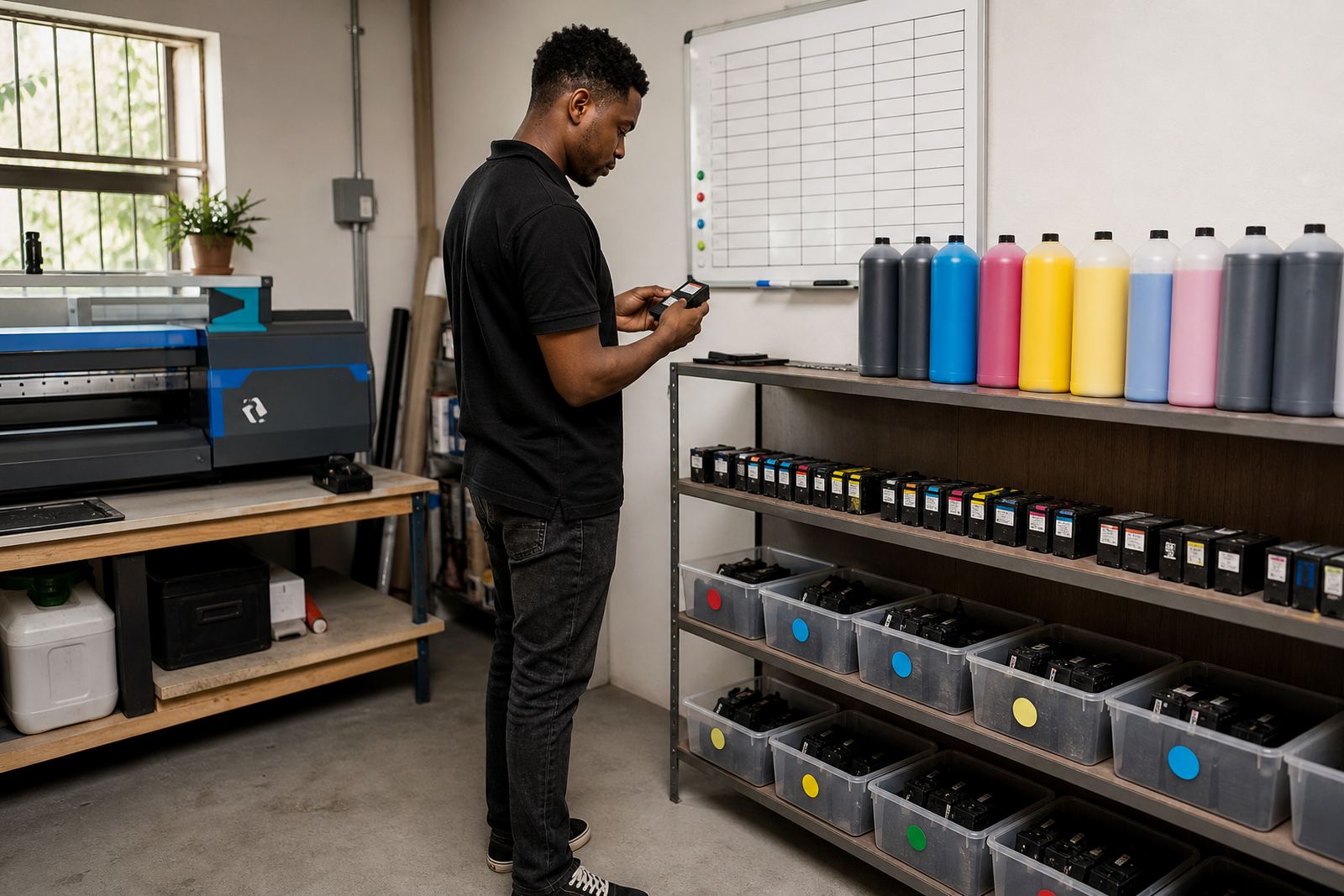
Sorting empties before they get damaged
Good recycling starts with the tray or box where empties are kept. The aim is not perfection, just a clean routine that prevents leaks and damage. A cartridge that is crushed, soaked, or stored with dried ink caked over the contacts is harder to inspect and more likely to be rejected for refill.
- Keep black, colour and large-format units separated if the team handles more than one type.
- Seal each empty in a small bag if it is still damp with residual ink.
- Store them upright where possible, so residue does not spread into the nozzle area.
- Avoid mixing old empties with fresh stock for the next refill run.
At a print shop, one damaged unit can slow the whole batch. A little sorting on the front end saves time later and keeps the operator from guessing what still has value.
Refill workflows and the job empties do in them
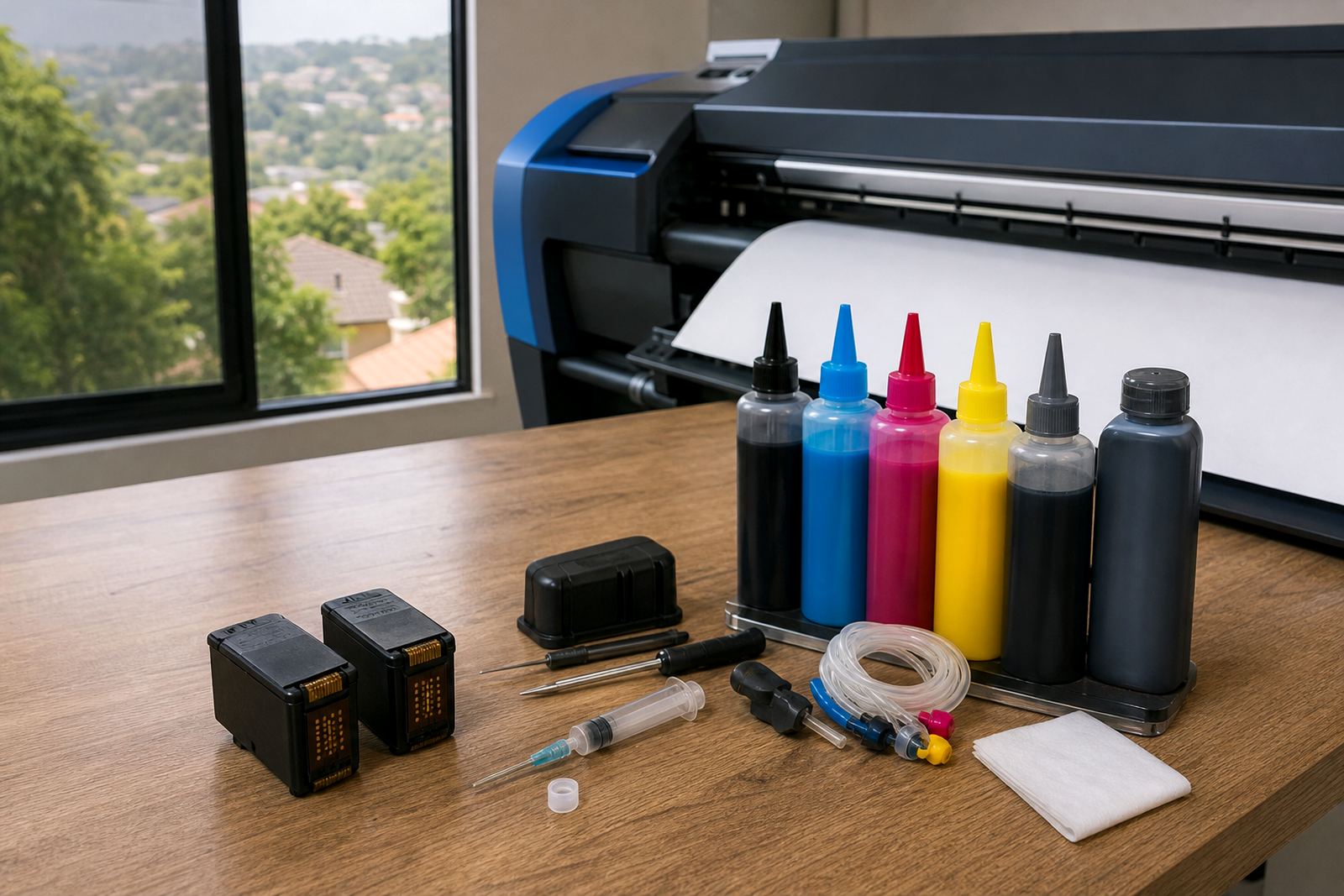
For refill systems, empties are part of the working inventory. They tell the technician which cartridge style is returning, which chip type is fitted, and whether the body can safely carry another fill. The cartridge shell has to remain sound, because any split clip, worn seal or distorted body can cause leaks after filling.
With continuous ink supply systems, empty bottles and spent cartridges also help with stock control. The shop can see what is being used most often, whether dye or pigment ink is moving faster, and which printer models need more careful handling. That makes the refill shelf more practical and less random.
- Dye ink is often used where bright colour and smooth blending matter.
- Pigment ink is usually preferred where sharper text or better water resistance is needed.
- Printhead care stays important in both cases, especially when a machine sits idle for a few days.
- Chip reset help is useful when the cartridge body is still serviceable but the chip has locked the reading.
A Durban example from a working office
In Westville, a small accounts office can go through a steady mix of black and colour cartridges without thinking much about the empty pile building up in the storeroom. Once those units are separated and kept clean, the office has a proper return cycle instead of a drawer full of dead plastic and leaking ink stains.
That same routine helps on courier runs to Pietermaritzburg or Johannesburg. Empties packed neatly travel better, and the receiving team can check them faster. In a place where humidity and dust both play a part, especially near the coast, sealed storage is not a fancy extra. It is just sensible handling.
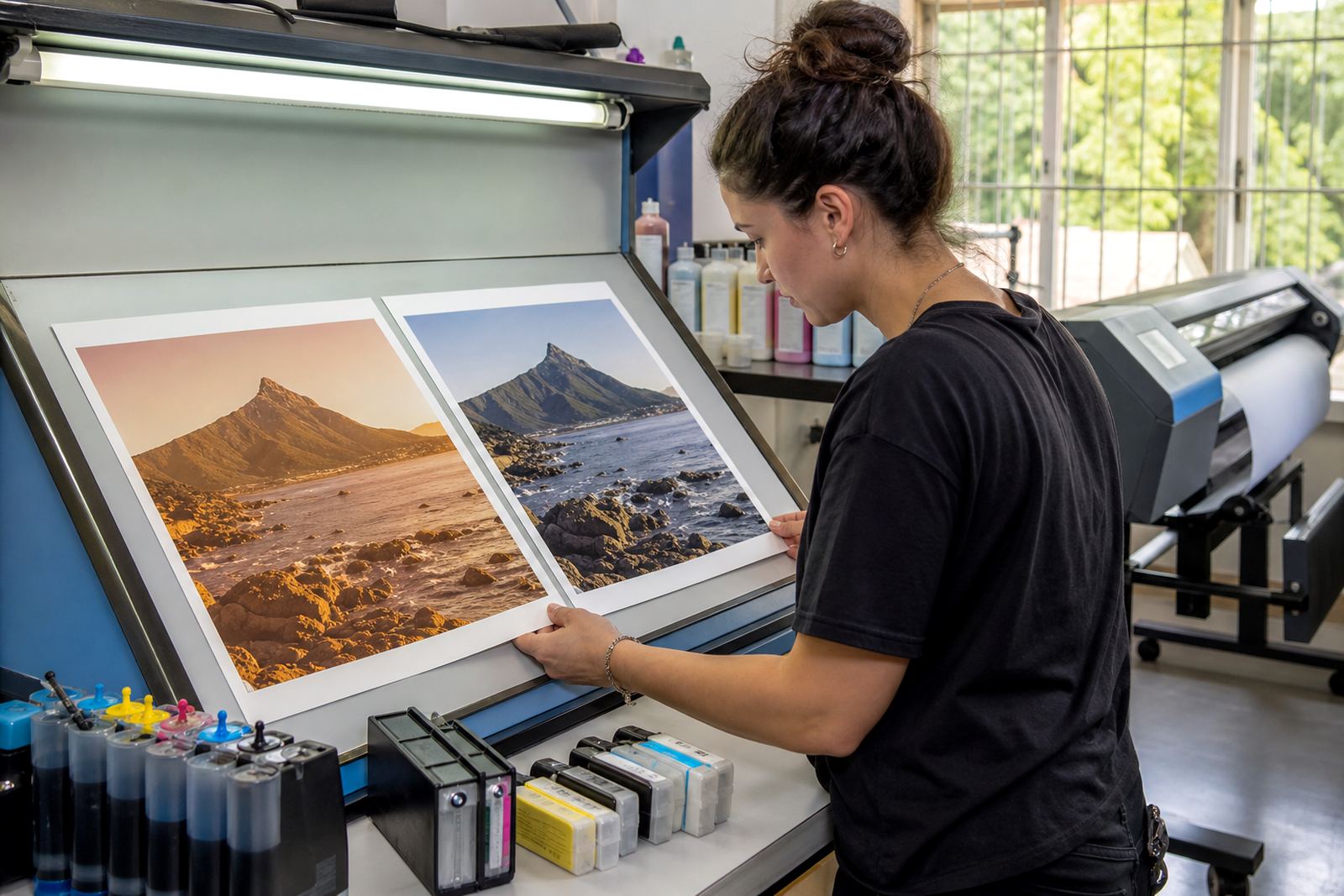
For a studio in Hillcrest or Ballito, the advantage is even clearer when colour accuracy matters. The returned empties help the team keep note of which set was last used, what type of ink was loaded, and whether nozzle checks have started showing a change in output.
What to watch for before a cartridge is kept for return
Not every empty deserves the same treatment. Some are worth saving for refill, while others are too damaged or too contaminated to reuse safely. The check does not need special equipment, but it does need a careful eye and a bit of consistency.
- Look for cracks around the body, seal area and clip points.
- Check whether residue has dried into the contact area.
- Notice any strong smell of mixed or old ink, which can point to poor storage.
- Make sure the cartridge has not been forced open in a way that changed the shape of the shell.
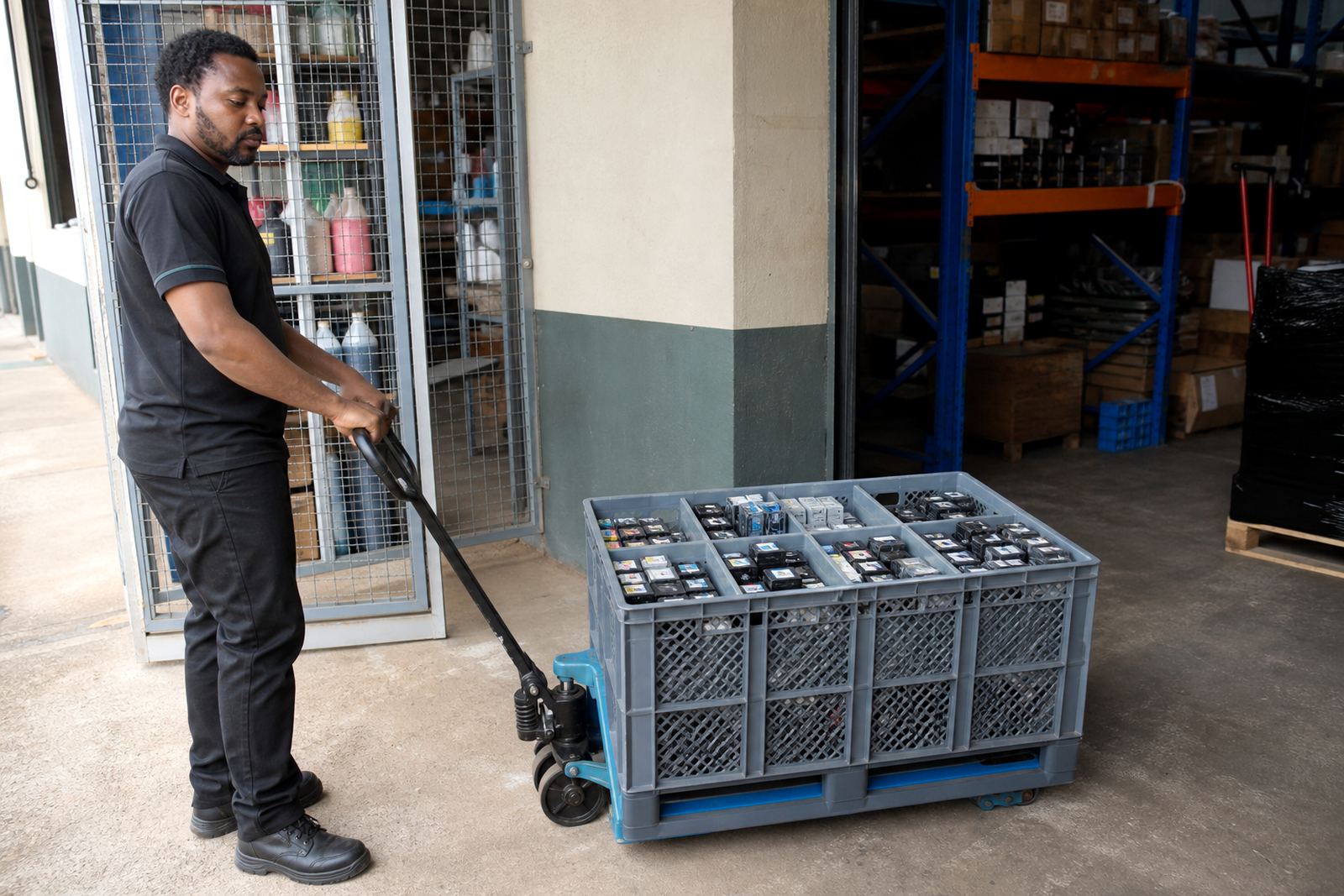
Leak checking belongs here as well. If a cartridge has been stored flat in a hot cupboard or packed loose in a courier bag, the chance of seepage goes up. A quick inspection before return protects the rest of the stock and keeps the cart of empties cleaner for the next batch.
How recycling empties supports the wider print room
The empty return habit does more than cut waste. It supports stock planning, operator training and better ink type guidance. When a team can see what is due in, it becomes easier to plan refill kits, keep the right spare parts close by and avoid last-minute scrambling.
Wide-format print rooms benefit from this in particular because the units are larger, the ink usage is heavier and the cost of poor handling is higher. A disciplined return programme makes it easier to track what has been used, what can be cleaned and refilled, and what should be sent out for recycling or disposal.
That is the practical side of lower-waste printing. Not slogans, just a steady habit that keeps reusable parts moving and keeps the waste stream smaller.
- Returned empties help with stock planning and reorder timing.
- Cleaner storage lowers the chance of leaks in the cabinet or courier box.
- Technicians can assess repeat faults more clearly when the same cartridge bodies are sent back each time.
- Recycling supports a tidier print area, which matters in shared offices and studios.
Making the habit stick in the day-to-day
The easiest systems are the ones staff can follow without debate. A labelled crate for empties, a fixed shelf for sealed returns and one person checking the pile at set intervals is enough for most offices. In a busier print shop, the same system can sit beside nozzle check logs and refill records so the team keeps one clear view of the stock.
When the routine is done properly, the empties tell a story about use, care and ink choice. That information helps the next refill run and keeps the whole process grounded in real working habits, not guesswork.