Two paths that start with an empty cartridge
People often use the words refurbished and refilled as if they mean the same thing, but the work behind them is different. A refurbished cartridge is usually handled as a unit, with cleaning, part replacement and testing before it goes back into service. A refilled cartridge is the original cartridge shell with fresh ink added through the fill port or through access points made for that model.
The difference matters when a shop in Westville, or a design studio in Durban North, is trying to stretch print costs without inviting streaks, banding or leaks. Refurbishing is usually the better fit when the cartridge body has worn seals, a tired chip or dried residue around the outlet. Refilling suits users who want lower running costs and already have a cartridge that still seals well.
What refurbishing changes inside the cartridge
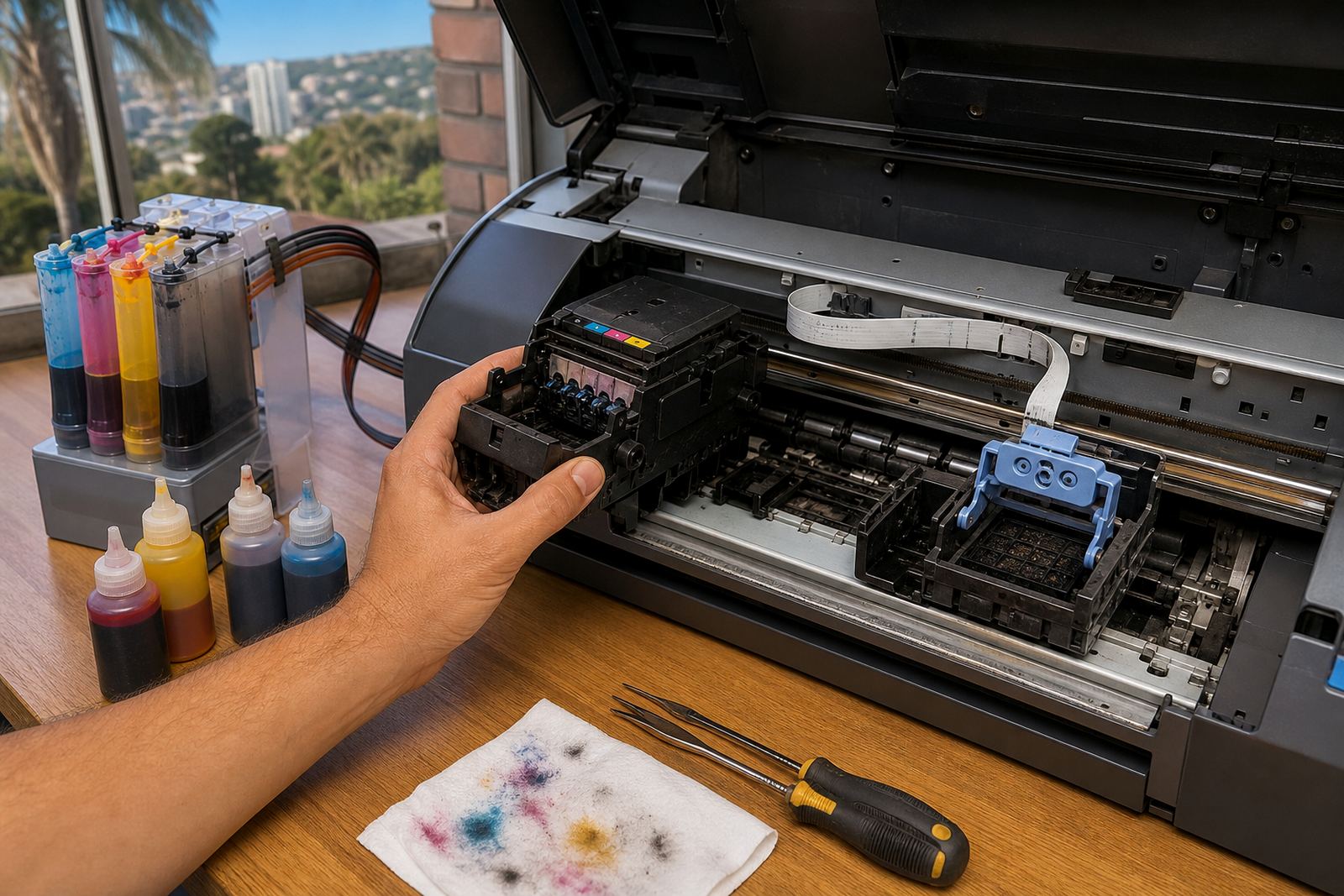
Refurbishing is not just a rinse and top-up. A technician may open the cartridge, remove old ink, inspect the sponge or reservoir, clean the outlet, check the chip contacts and replace parts that show wear. On some units the reset chip is replaced or reprogrammed in general terms so the printer recognises the cartridge again. The aim is to restore a cartridge that behaves more like a serviced unit than a tired empty shell.
This approach helps where print quality needs to stay steady across reports, proofs and artwork. It also helps when the cartridge has seen coastal humidity, dust or long pauses between print runs, because those conditions can leave residue inside no matter how careful the user has been.
- Cleaner internal parts reduce the chance of blocked nozzles.
- Worn seals and contacts can be dealt with before they fail on press day.
- The cartridge can be tested before it goes back into regular use.
Manual refilling keeps the original shell in play
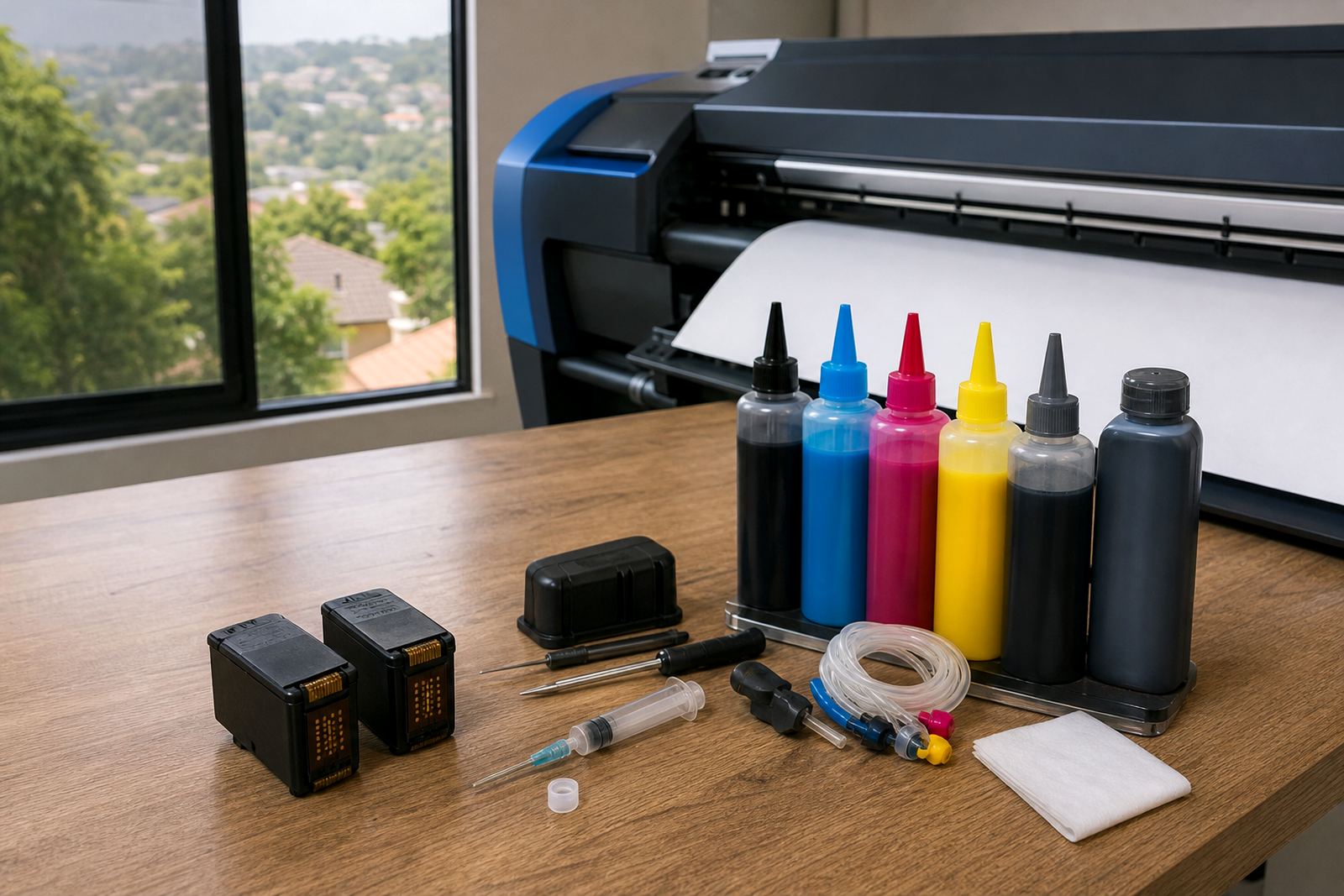
Manual refilling is more hands-on. The user or technician adds ink to the existing cartridge, then checks that the venting and chip status still allow proper printing. If the cartridge is in good condition this can be a practical option, especially for offices that print forms, letters and short colour jobs rather than heavy photographic work.
The weak point is consistency. A shell that is already worn may keep leaking at the seam, hold air in the sponge or misread ink levels. That is where support around leak checking, chip reset help and nozzle checks becomes useful. A refill can save money, but only if the cartridge body is still sound enough to hold the ink properly.
For Johannesburg offices with regular black-and-white output, refilling may suit the daily rhythm. For a Cape Town studio printing colour proofs, the cartridge condition and ink choice carry more weight, because colour shifts and blocked nozzles show up fast on paper.
Bulk ink systems suit heavier, steadier printing
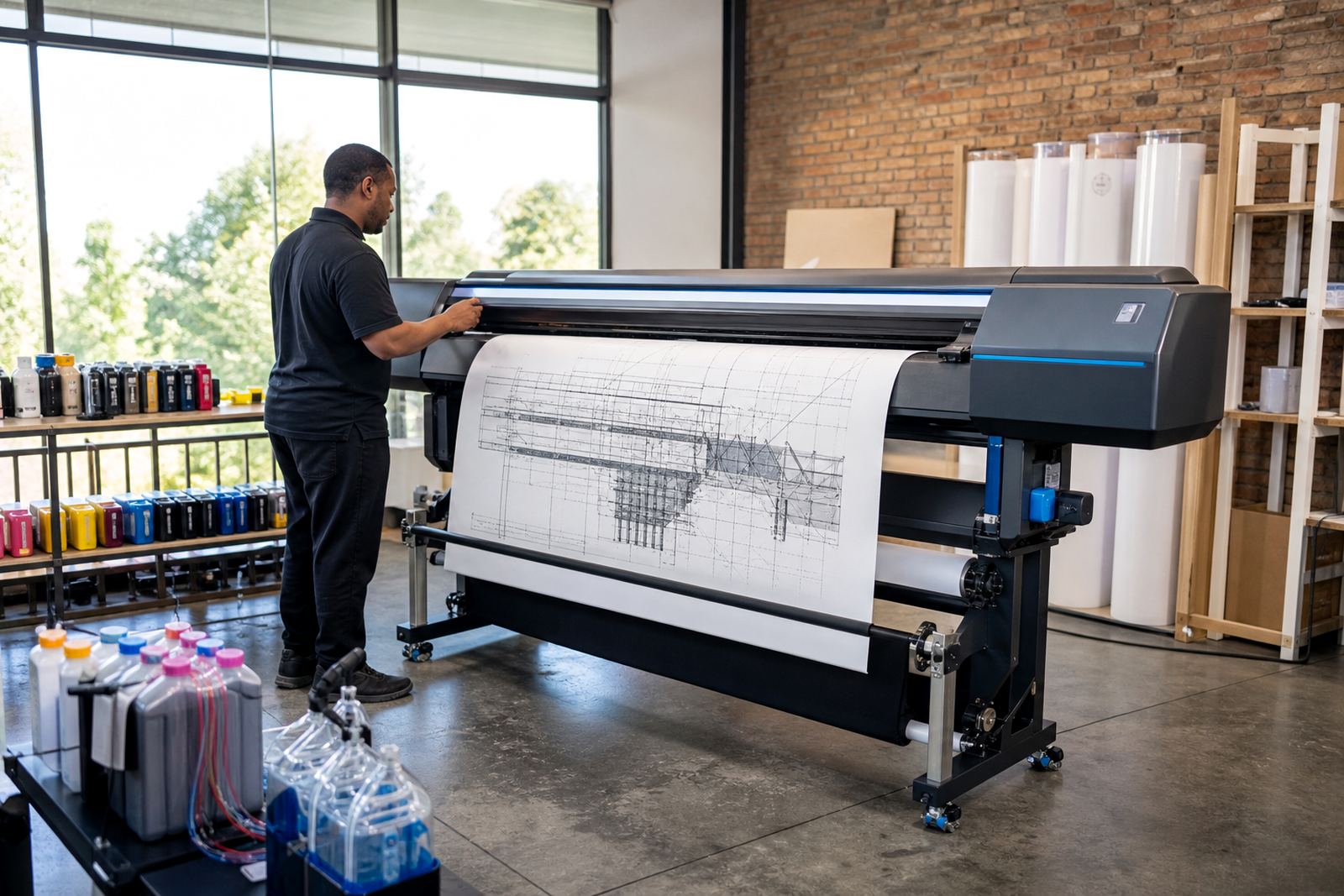
Bulk ink or continuous ink supply systems sit in a different part of the conversation. Instead of changing cartridges often, the printer draws ink from external bottles or tanks. That reduces waste and can suit wide-format print shops, studios and offices that print in volume. The choice between dye and pigment ink matters here. Dye ink usually gives smoother colour and brighter output on coated media, while pigment ink often performs better where durability, water resistance and sharper text are important.
A properly set up refill system needs the right ink type, sensible line routing and careful priming. If the system is mishandled, air bubbles can stop ink flow or leave some colours lagging behind. When that happens, printhead care becomes part of the routine, not an afterthought.
- Dye ink is often used for colour-heavy work and photo-style output.
- Pigment ink is often preferred for sharper text and longer-lasting pages.
- Printhead care and nozzle checks help the system keep feeding evenly.
How to read the warning signs before print quality slips
Most print trouble starts small. A faint line across a page, one colour printing softer than the others, or repeated low-ink warnings can point to a cartridge issue before it becomes a hard failure. If the cartridge was refilled but not cleaned properly, dried residue may block flow. If it was refurbished badly, the chip or seal may be the weak point. If it is part of a bulk ink setup, the issue may be trapped air, a loose tube or an empty bottle that was not noticed in time.
In Ballito or Hillcrest, where office printers often sit for a few days between bursts of work, drying at the nozzle can be just as troublesome as a faulty cartridge. That is why stock planning help matters. Keeping spare empties, the right ink type and a working cleaning routine reduces panic when a deadline lands on the table.
A local example from a Durban office and a print studio
A small Westville office may print memos, invoices and scanned copies in black ink most days. For that kind of use, a refurbished cartridge can be a sensible middle ground if the shell and chip need more than a simple top-up. The office keeps the print quality steadier, and the cartridge is less likely to fail halfway through a batch of documents.
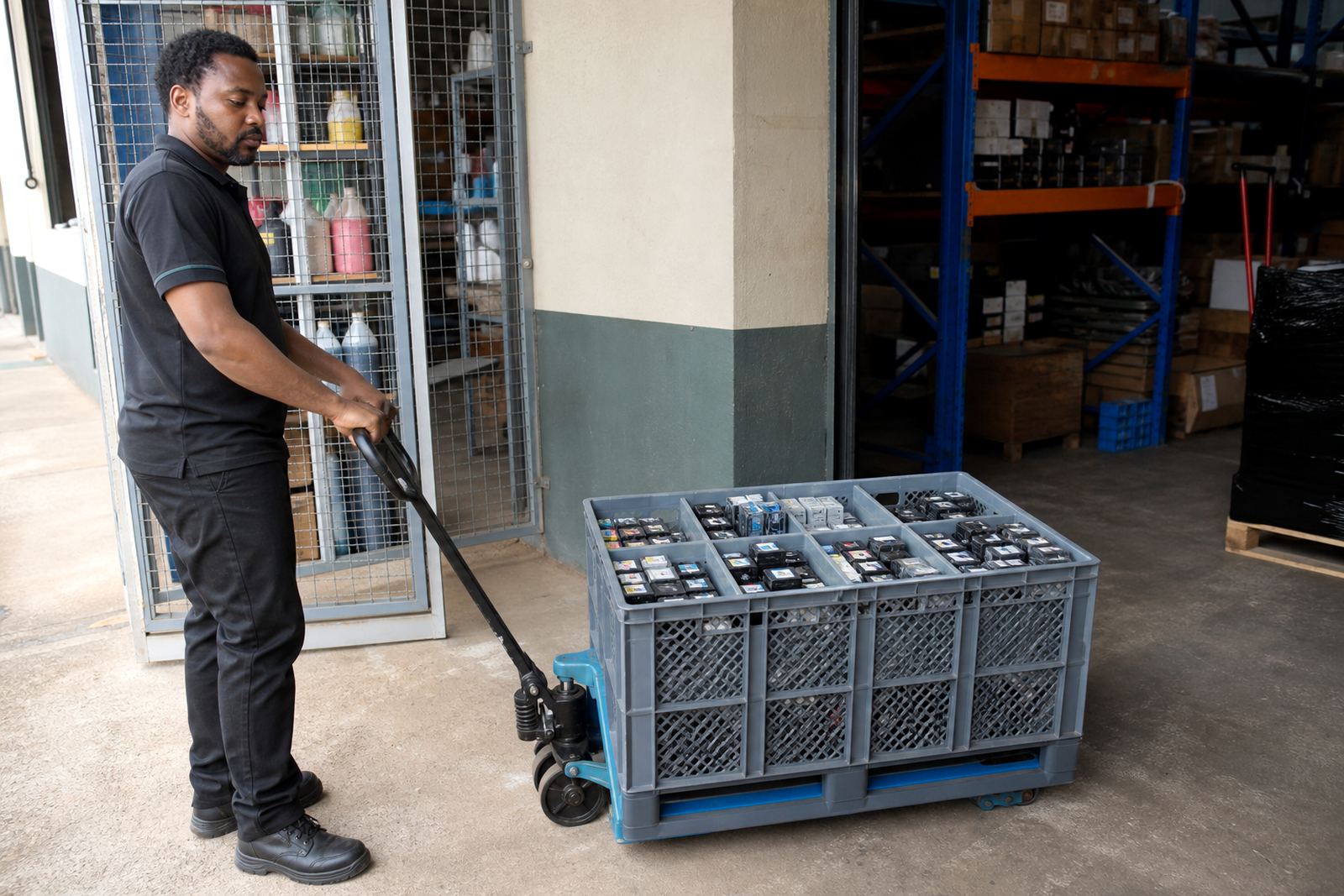
A print studio in Pietermaritzburg, by contrast, may need colour control for proofing and frequent short runs. There, a refill system can make more sense if the operator is comfortable with nozzle checks, colour balance help and proper handling of the ink lines. In both cases, empty return programmes help reduce clutter and keep usable cartridge bodies in circulation instead of sending everything away with general waste.
Couriers also matter. A studio in Pretoria may not need a walk-in counter to keep moving. With courier delivery across South Africa, the practical part is making sure the right cartridge or ink type reaches the right team before the old one is fully exhausted.
The deciding questions are practical, not technical-sounding
The best choice usually depends on three things: how often you print, what kind of output you need and how healthy the existing cartridge body still is. Refurbished cartridges make sense when you want a unit that has been checked and serviced. Manual refills make sense when the shell is still sound and you are happy to manage the refill process carefully. Bulk ink systems suit higher volumes and a team that can keep an eye on printheads, ink levels and line condition.
For offices, studios and wide-format print shops in Durban and beyond, the aim is not to make printing complicated. It is to keep the machine feeding cleanly, the colours steady and the waste lower than buying new cartridges every time. That is the real difference between refurbished and refilled: one restores the cartridge as a unit, the other works with the cartridge you already have.