
A colour-heavy studio in Cape Town needed steadier ink control
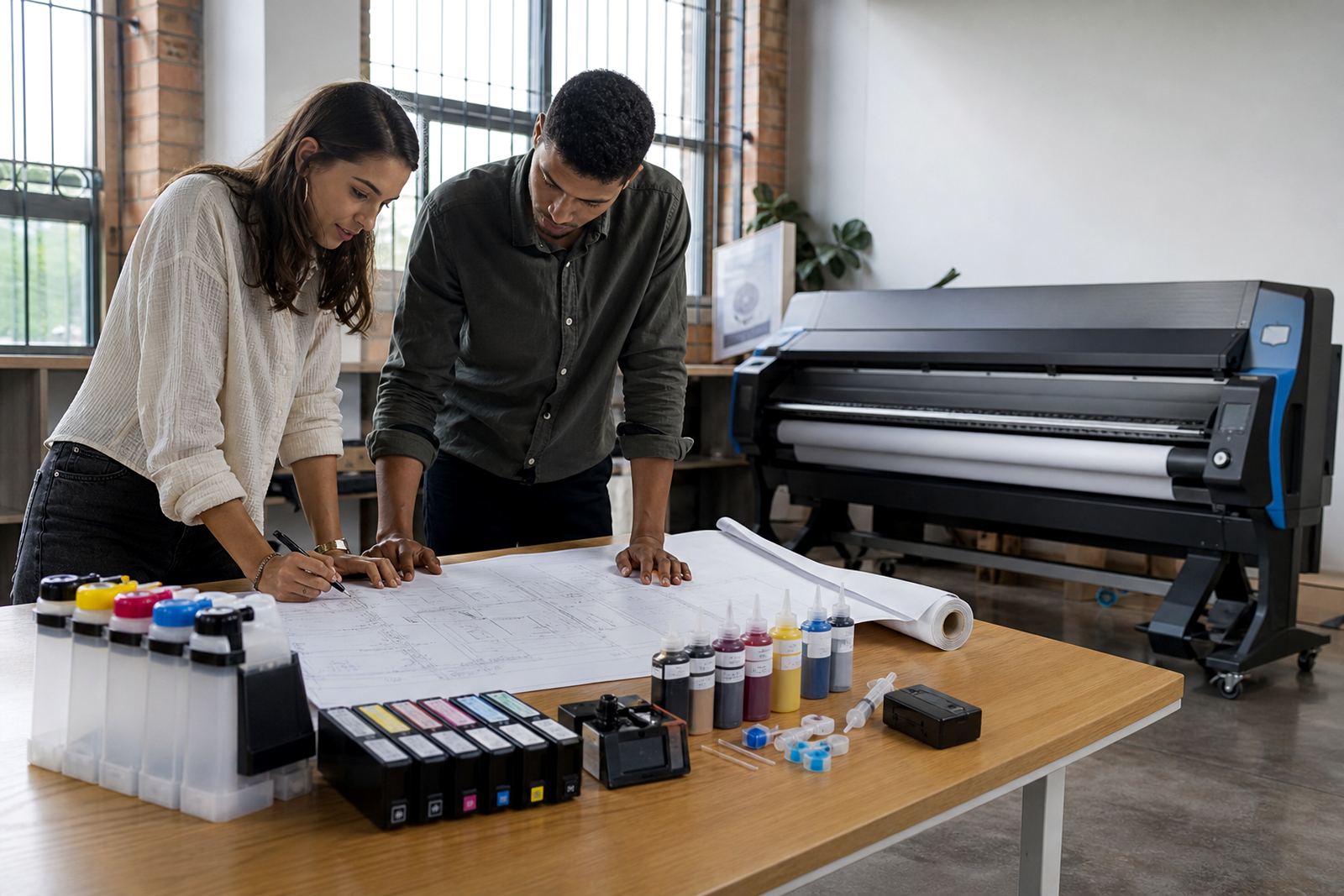
The brief came from a design studio in Cape Town that prints proof sheets, short-run artwork and client presentation sets every week. Their team wanted a lower-cost route than replacing cartridges every time, but they also needed colour that stayed predictable from one print run to the next. The studio had been managing ink ad hoc, which made stock counts messy and left too many empty cartridges sitting in drawers.
We looked at the way they print, the mix of dye and pigment use across their devices, and the point where the old routine was wasting both time and usable hardware. The main ask was not only cheaper printing, but a repeatable process that the team could follow without guesswork. A second part of the brief was disposal, they wanted empties gathered properly rather than tossed into general waste.
- Client type: design studio
- Town: Cape Town
- Work area: day-to-day colour printing and proofing
- Main change: move to refilled stock and a return loop for empties
The constraints were colour, cleanliness and a tight handling routine
Studio work puts pressure on ink in a different way to office printing. Small changes in colour can stand out on branded mock-ups, and a dirty refill process can leave stains on packaging, bench tops and hands. The team also wanted to avoid clogging issues, which meant the choice of ink type and the refill method had to suit the machine rather than forcing a one-size answer.
We kept the setup practical. For photo and artwork jobs we discussed where a dye-based ink gives a cleaner colour range, and where a pigment mix is better for sharper text and more durable output. That helped the studio split use more sensibly instead of putting the same fill into every device. We also explained how to watch for air in the lines, weak nozzle patterns and signs that a head needs a gentle cleaning pass rather than a hard reset.
- Need one: cleaner bench handling
- Need two: better colour control for proofing
- Need three: fewer stoppages from blocked nozzles
- Need four: a clear way to store and return empties
What we supplied and how the refill routine was set up
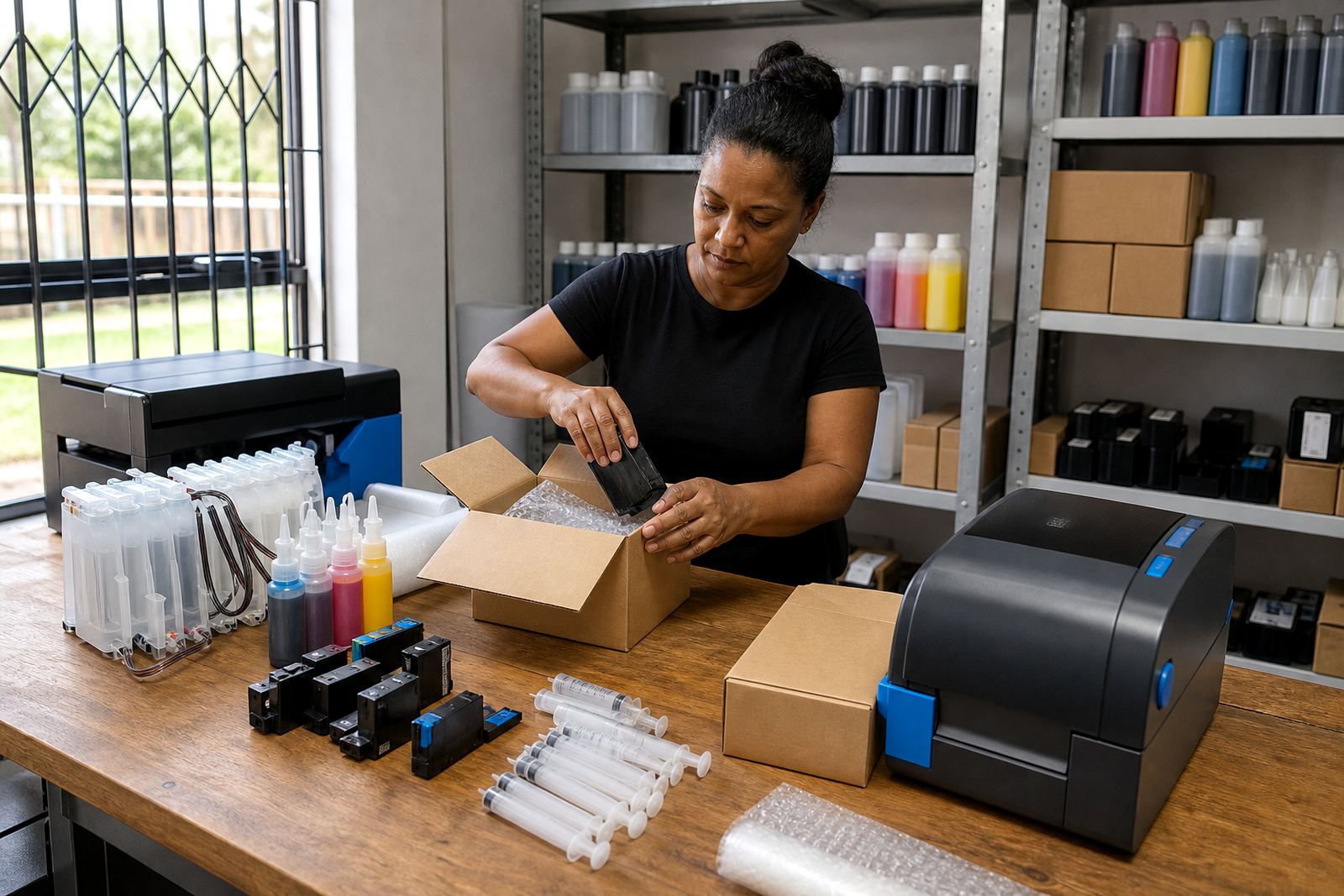
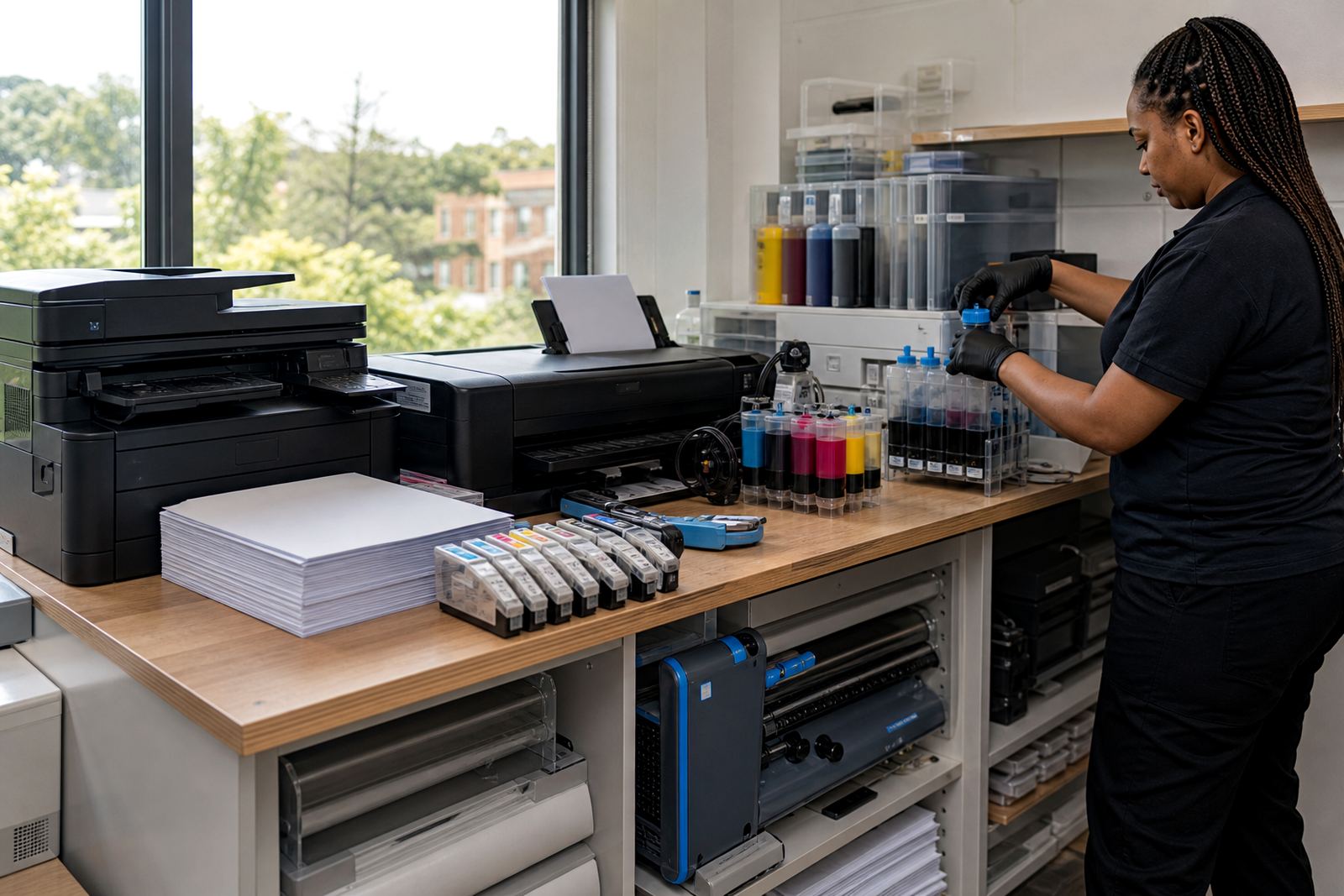
We supplied refurbished cartridges for the relevant printers and set the studio up with bulk ink refill support where the machines could take it. The refill kits were paired to the cartridge format in use, with chip reset help given in general terms where that model needed it. The team received guidance on filling slowly, checking seals, and wiping the cartridge body before reinstalling it so dust and lint do not travel back into the printer.
The most useful part was the routine. The studio now keeps working stock separate from empty stock, labels dye and pigment containers clearly, and logs which unit was refilled for which machine. That small habit has helped them avoid colour mix-ups and cut down on the awkward moment where a cartridge is full but still not reading properly because the chip was not reset or seated well.
We also included printhead care and nozzle check support for the staff member who handles setup. The aim was to make maintenance part of the week, not an emergency job after a blocked line or faded patch showed up on a client proof. That kind of regular care matters in a coastal city where humidity can nudge storage conditions and leave dust sticking to caps or seals more than expected.
Two weeks of setup, checks and staff handover
The move unfolded over two weeks. In the first week we mapped the devices, matched the cartridge formats and checked which colour sets needed a refill path rather than a full cartridge swap. The second week focused on training the studio team, carrying out nozzle checks, and sorting the empty return programme so used cartridges did not accumulate in random boxes.
The handover covered practical tasks rather than theory. Staff were shown how to test a line before sending a file to print, how to note a missing colour channel, and how to separate a colour shift from a clog. We also covered leak checking around seals and fill ports, because a small drip can waste ink quickly on a busy bench. By the end of that period the team had a clearer order of work and less uncertainty around what to do with each cartridge after use.
- Week 1: device mapping and cartridge matching
- Week 1: refill method planning and ink type guidance
- Week 2: staff training and nozzle check support
- Week 2: empty return sorting and dispatch prep
What changed once the studio moved to the new routine
The biggest shift was predictability. The studio could plan ink use around scheduled jobs instead of treating every low cartridge warning as a last-minute scramble. Their proofing work became easier to track because the team had a known refill path and a clearer way to deal with waste stock. Refurbished cartridges also gave them a lower-cost route that suited regular print work without filling the bins with fully discarded hardware.
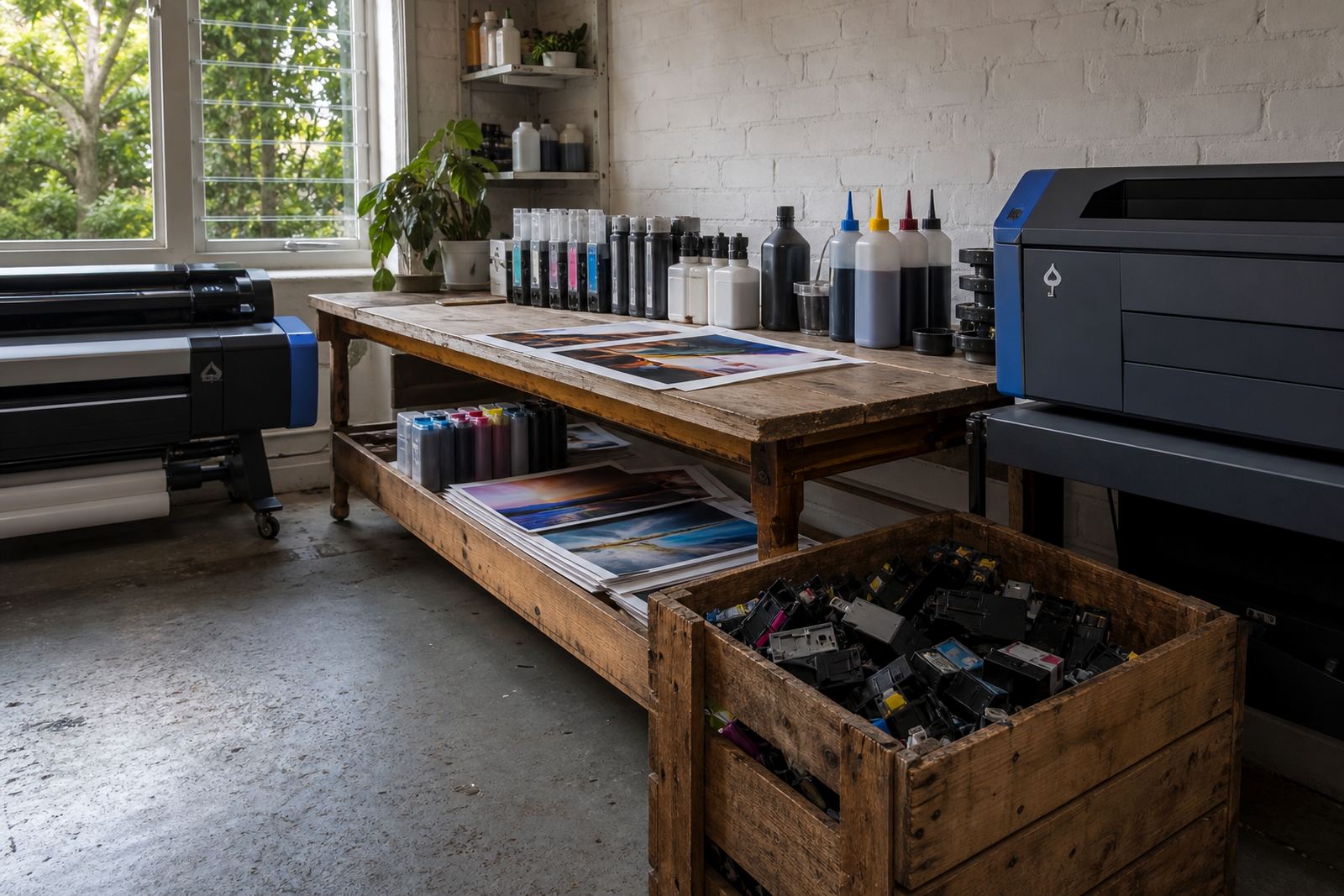
There was also less confusion around colour balancing. Once the team had guidance on ink type, the order of cleaning steps and the use of a resetter where relevant, they spent less time chasing repeat prints that looked off. That matters in a studio where one poor proof can slow the next round of design approval. The empty return programme added a neat finish to the process, with used cartridges collected and sent back for recycling rather than left to pile up.
For a Cape Town studio, the practical gain is not only in spend. It is in cleaner storage, tidier workflow and fewer interruptions when a file is ready to print. The team can now separate a refill job from a fresh cartridge need, which is a lot easier to manage on a busy week.
What we would repeat on a similar studio job
We would keep the same approach of matching the ink system to the way the studio actually prints, not the way a catalogue says it should print. The best results came from setting one person to oversee the refill drawer, keeping dye and pigment stock apart, and using a simple check list for nozzle tests and seal checks before important jobs. That kind of discipline is plain but it saves time.
We would also keep the empty return process from day one. When empties are gathered properly, the studio avoids clutter and the used hardware is easier to sort for recycling. For creative teams that print often, that small structure has more value than a pile of mixed cartridges in a cupboard. It keeps the work area orderly and the supply line easier to read.
- Keep cartridge types separated from the start
- Log refill dates and machine use
- Train one staff member on basic checks
- Return empties in a steady collection pattern
Key facts
| Project type | Studio print refill changeover |
|---|---|
| Location | Cape Town |
| Client type | Design studio |
| Supplied | Refurbished cartridges and bulk ink refill support |
| Support covered | Printhead care, chip reset help, leak checking and colour balance |
| Timeline | 2 weeks |