
Drafting-room pressure in Pretoria
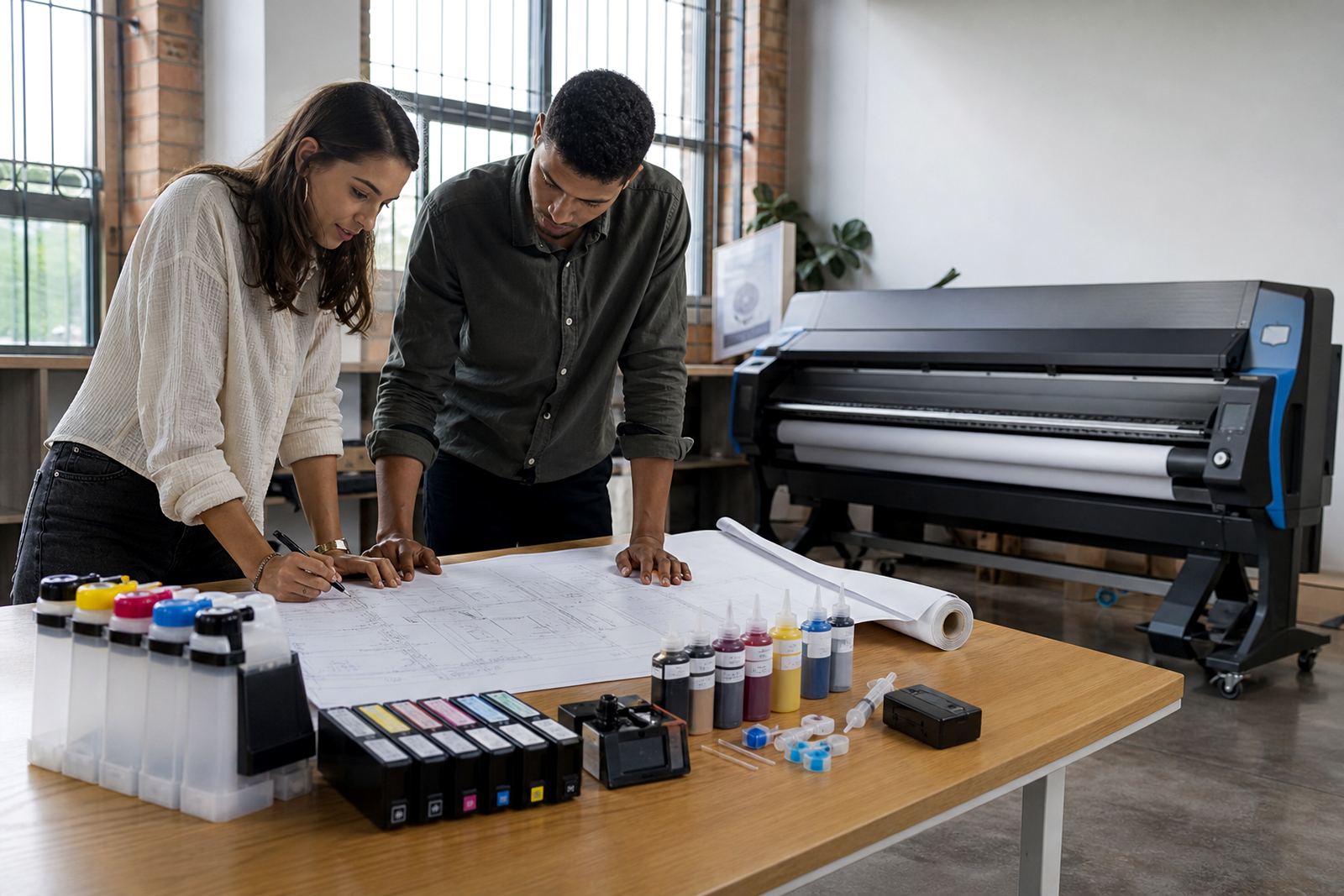
The office handled engineering drawings, mark-ups and revision prints across several workstations. Their printers were used hard on plain office paper and coated stock, so nozzle health and ink choice mattered just as much as the cartridge itself. Faint lines, blocked channels and uneven blacks were starting to slow the room down.
The team wanted a lower-cost route that still suited technical work. They also needed a practical way to keep empties moving, reduce waste and avoid the stop-start feel that comes when every counter waits on a different cartridge type or a forgotten refill order.
- Client type: engineering office with in-house technical drawing output
- Town: Pretoria
- Use pattern: black linework, annotations, plan revisions and occasional colour plots
- Main pressure point: clogged nozzles and inconsistent cartridge supply
What the brief asked for, in plain terms
The brief was not about chasing a fancy setup. It was about keeping print quality steady while moving away from buying new cartridges every time. We were asked to guide the team on refurbished cartridges, advise on bulk ink for selected printers and set a routine that matched normal office use.
There was also a practical side to the job. The office needed clearer advice on dye and pigment ink, when a continuous ink supply system makes sense, and how to handle chip reset help in general terms without turning the floor into a tech repair bay. They wanted fewer surprises and cleaner stock planning.
- Refurbished cartridges for regular office printers
- Bulk ink guidance for supported devices
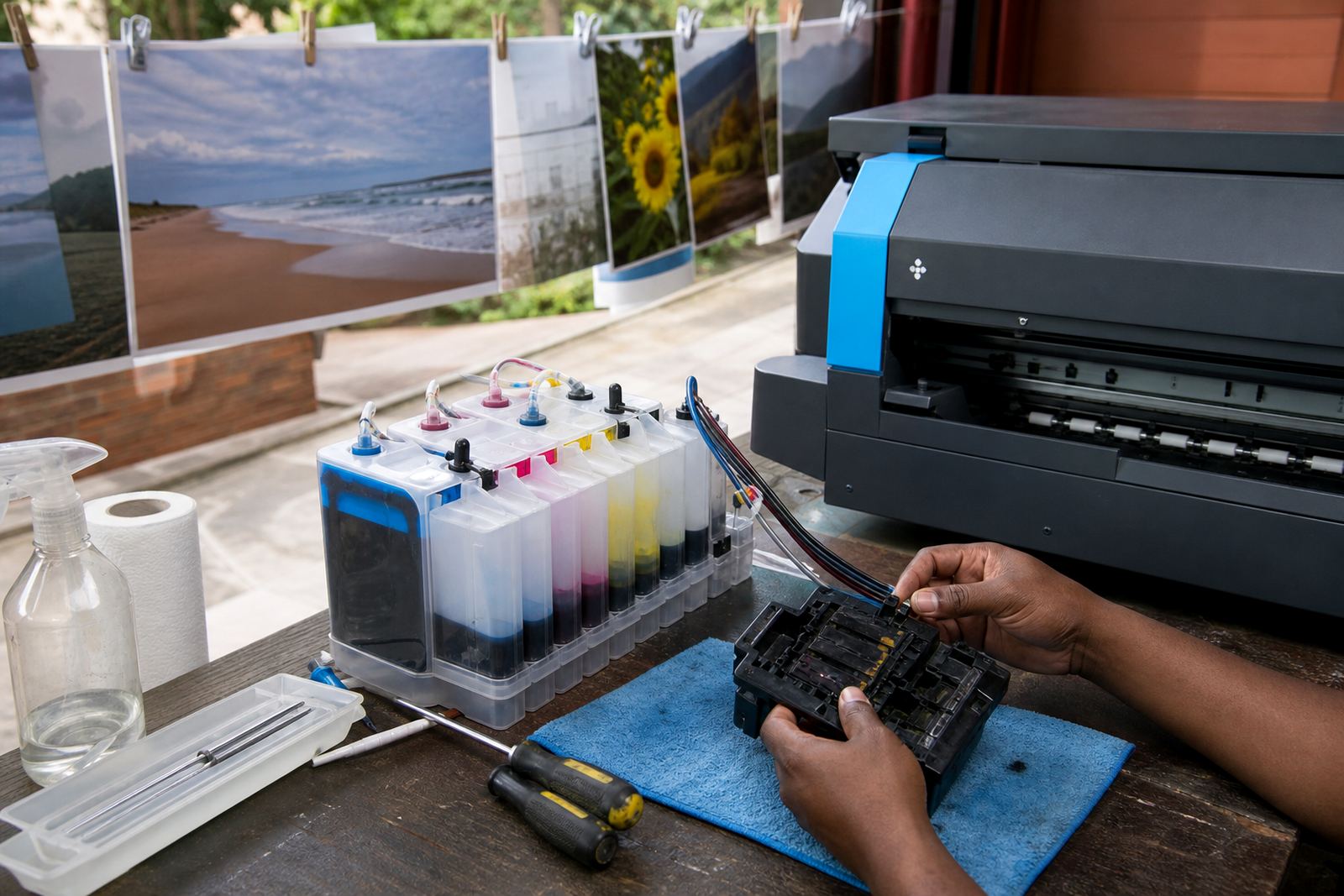
- Printhead care and nozzle check support
- Chip reset help, leak checking and colour balance guidance
Constraints around office output and device care
Technical drawing work is unforgiving. A thin line that looks fine on screen can break up on paper if the cartridge has air in the line or the printhead has sat idle too long. The office also needed to keep mixed output under control, because some printers handled monochrome plans while others covered colour layers, notes and presentation copies.
We worked around a few real limits. The team could not keep swapping ink types without a record of what each printer was using. They also needed empties collected sensibly, especially in a Durban and Pretoria linked workflow where stock can move between sites and courier runs should be planned rather than guessed.
- Mixed print jobs across black and colour devices
- Need for clear ink type guidance
- Empty cartridges had to be tracked for return or recycling
- Printheads needed routine checks rather than emergency fixes
What we supplied and how it was installed
We supplied refurbished cartridges suited to the office printers in use, plus bulk ink advice for the devices that could benefit from refill systems. The set-up covered routine nozzle checks, printhead care, leak checking and basic stock planning so the team could see what was running low before the last cartridge ran dry.
Where the printer range allowed it, we explained the difference between dye and pigment ink in plain office terms. Dye gave the team stronger colour on presentation-style prints, while pigment was better suited to sharper text and line stability on technical output. That distinction mattered more than people expect when drawings are part of the daily load.
- Refurbished cartridges matched to the printer family in use
- Bulk ink advice for approved refill systems
- Colour balance help for mixed office output
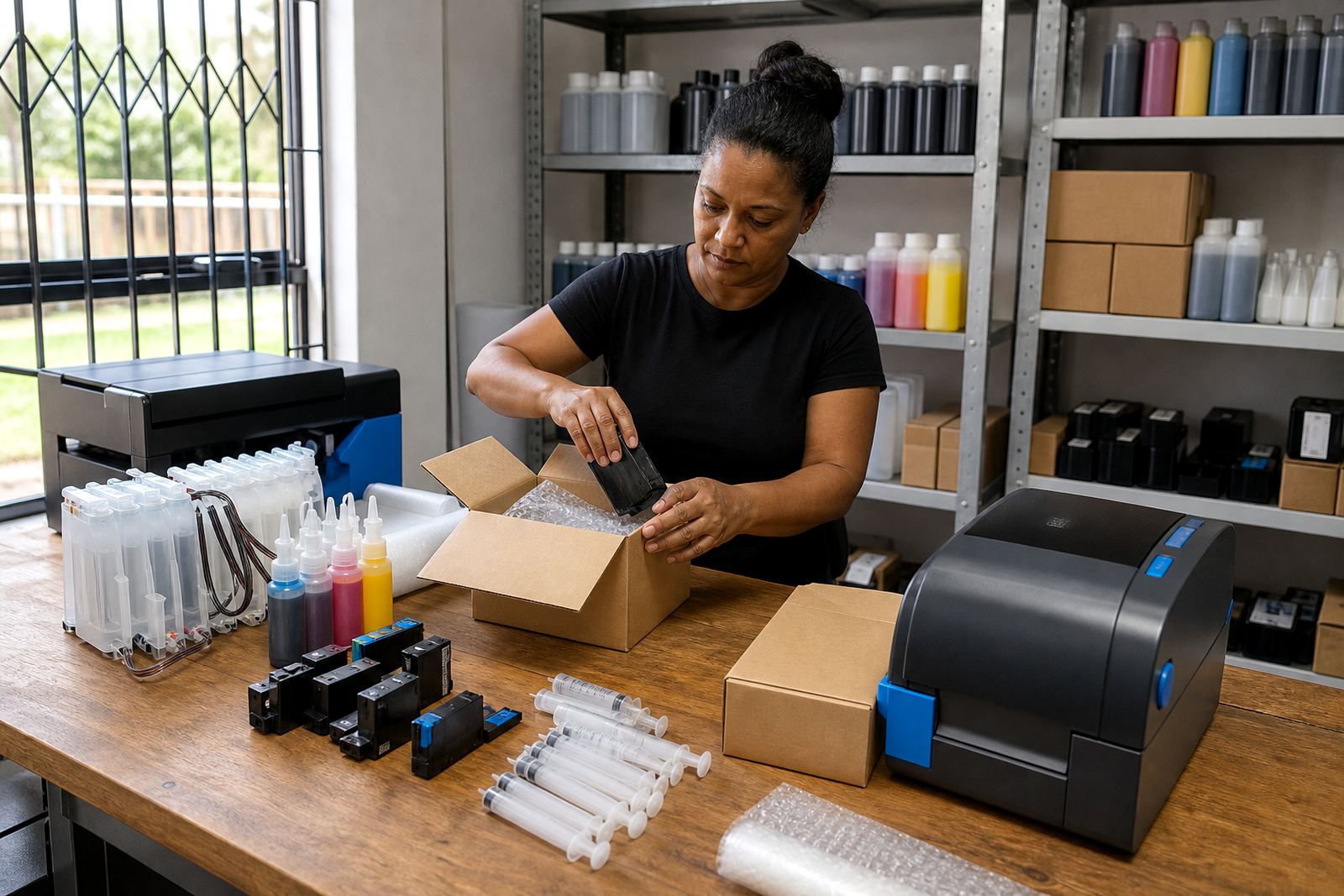
- Empty return programme for used cartridges
Three weeks of practical change on the floor
The work unfolded over three weeks in phases. First, we mapped the printers and identified which machines suited cartridge refills and which could work well with bulk ink. Next, we handled setup, refill routines and printhead care checks. The last phase covered everyday operator handling so the office could work the system without turning each print snag into a major event.
That stepped approach helped because the drafting team was not sitting around waiting for a full reset. They could keep printing while the print quality routine was tightened in the background. A short training run covered nozzle checks, simple leak inspection and how to spot the early signs of banding before a plan page was wasted.
- Week 1: printer list, output review and supply matching
- Week 2: cartridge supply, refill guidance and printhead checks
- Week 3: operator training and stock planning notes
What shifted once the new routine settled
The clearest change was consistency. Linework stayed cleaner, text held better on plan sheets and the team had a clearer habit for checking print quality before a full run. Because the office was not treating every cartridge as a one-off purchase, there was less waste from rushed replacements and fewer empties left lying around without a plan.
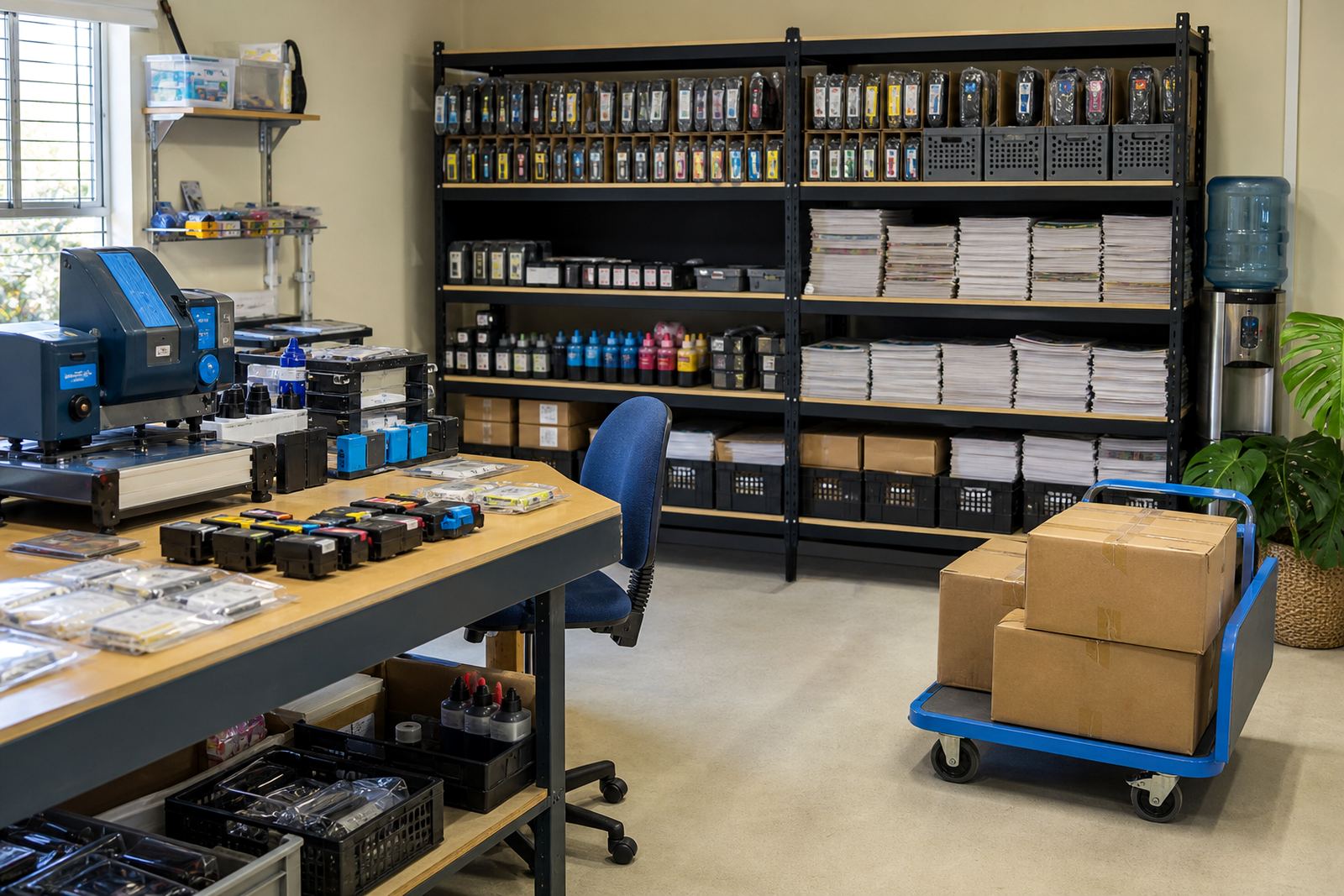
There was also a quieter benefit in the store cupboard. When stock is tracked properly, a Pretoria office does not need to overbuy just to feel safe. The team could keep the right mix of refurbished cartridges and bulk ink on hand, then use courier delivery to top up from Westville as needed across Durban, Johannesburg, Cape Town and other routes.
- Cleaner technical linework on daily output
- Less waste from premature cartridge replacement
- More orderly stock planning for print supplies
- Empty cartridges moved into return rather than rubbish
What we would repeat on a similar office job
On a similar engineering office brief, we would keep the start practical and the language direct. First, match each printer to the right supply method, then set the printhead routine before people start pushing drawings through at speed. That order matters more than a fancy product list.
We would also keep the support split between operator habits and supply control. A good cartridge or refill system still needs clean handling, sensible ink choice and basic checks on nozzle health. If the office has several printers, one person should own the stock list or the whole thing gets messy fast.
- Match the printer to the ink method before ordering
- Record dye and pigment use by machine
- Keep a simple routine for nozzle checks and leak checks
- Use the empty return programme instead of binning used cartridges
Key facts
| Project | Pretoria engineering office |
|---|---|
| Town | Pretoria |
| Supply | Refurbished cartridges and bulk ink guidance |
| Work period | 3 weeks |
| Core services | Printhead care, nozzle check support, chip reset help, leak checking |
| Delivery | Courier supply across South Africa from Westville, Durban |