
The studio brief from Glenwood
The client worked from a home studio in Glenwood and printed mixed artwork, proof sheets and occasional presentation pages. Small cartridges were costing too much in repeat buys, and the print routine had turned messy around bottles, syringes and half-used ink. The brief was to reduce waste, keep colour work consistent, and make the whole process easier to manage between studio jobs.
The room had limited storage space and a fair bit of paper dust from trimming and mounting work, so the ink arrangement needed to stay tidy. There was also a need to keep printheads protected, because a stopped nozzle pattern can waste both ink and time when a deadline is close.
- Client type: independent artist studio
- Town: Glenwood, Durban
- Main goal: cleaner refilling and steadier output
- Working concern: waste around disposable cartridges and spillage
What the setup had to handle
This was not a heavy office floor with identical pages all week. The printer had to cope with colour variation, short runs and long pauses between jobs. That meant a bulk ink system needed the right balance between easy refilling and the sort of maintenance that keeps nozzles open. We also had to keep the install practical for one person working alone most days.
The main constraint was avoiding a complicated setup that would sit half-used on a shelf. We planned for refilling discipline, a simple visual check on ink levels and a way to monitor any air bubbles in the tubes. Ink choice mattered too, because dye ink and pigment ink behave differently on plain paper, coated stock and art papers.
- Space constraint: small studio storage
- Usage pattern: irregular but colour-heavy
- Ink consideration: dye vs pigment choice by paper type
- Support need: remote troubleshooting for routine checks
The work done over three weeks
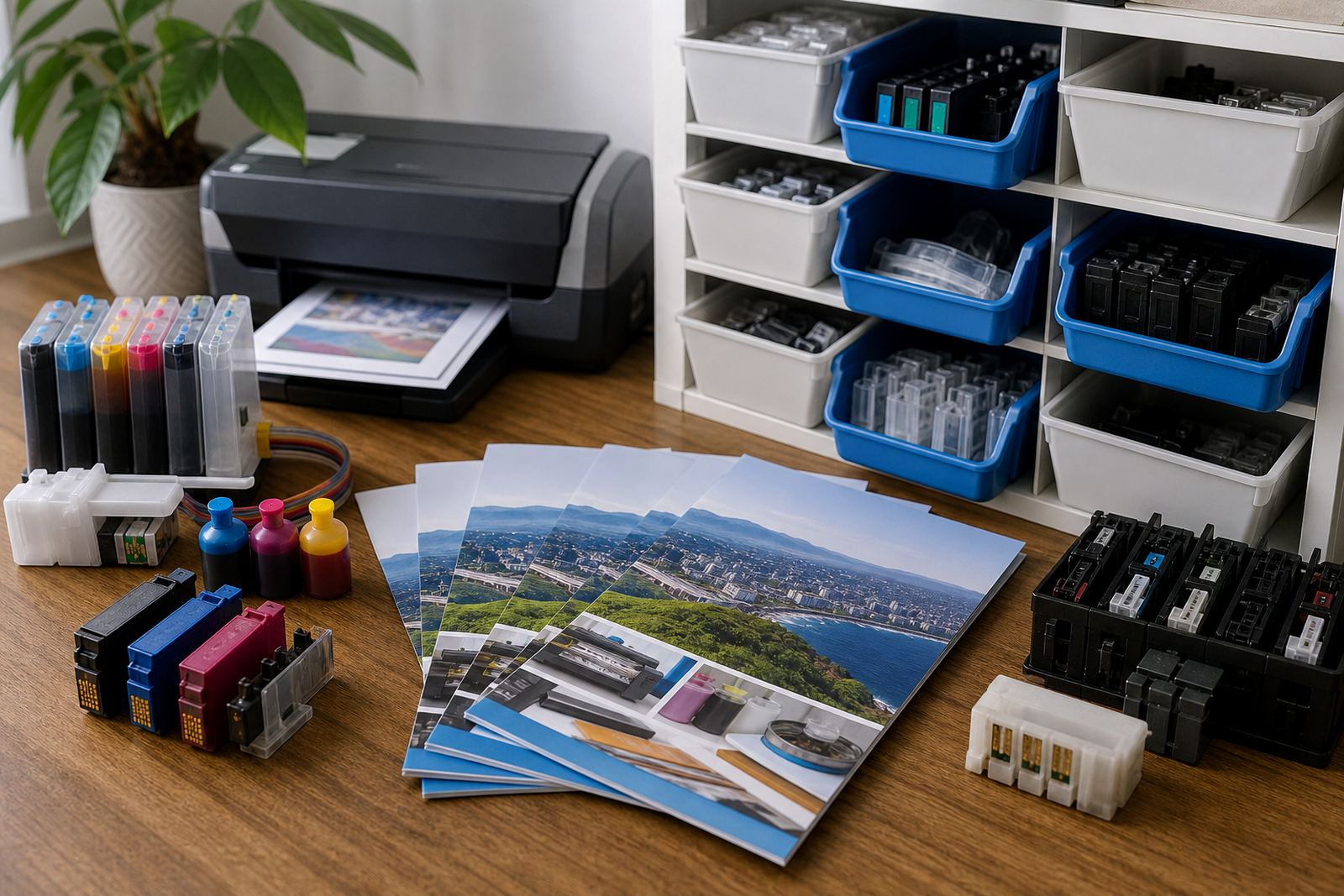
Week one covered assessment, printer checks and the first refill plan. We supplied refurbished cartridges suited to the machine and talked through a continuous ink supply arrangement for longer runs. The client also needed guidance on chip reset help in general terms, because cartridge tracking can interrupt printing when levels are still usable.
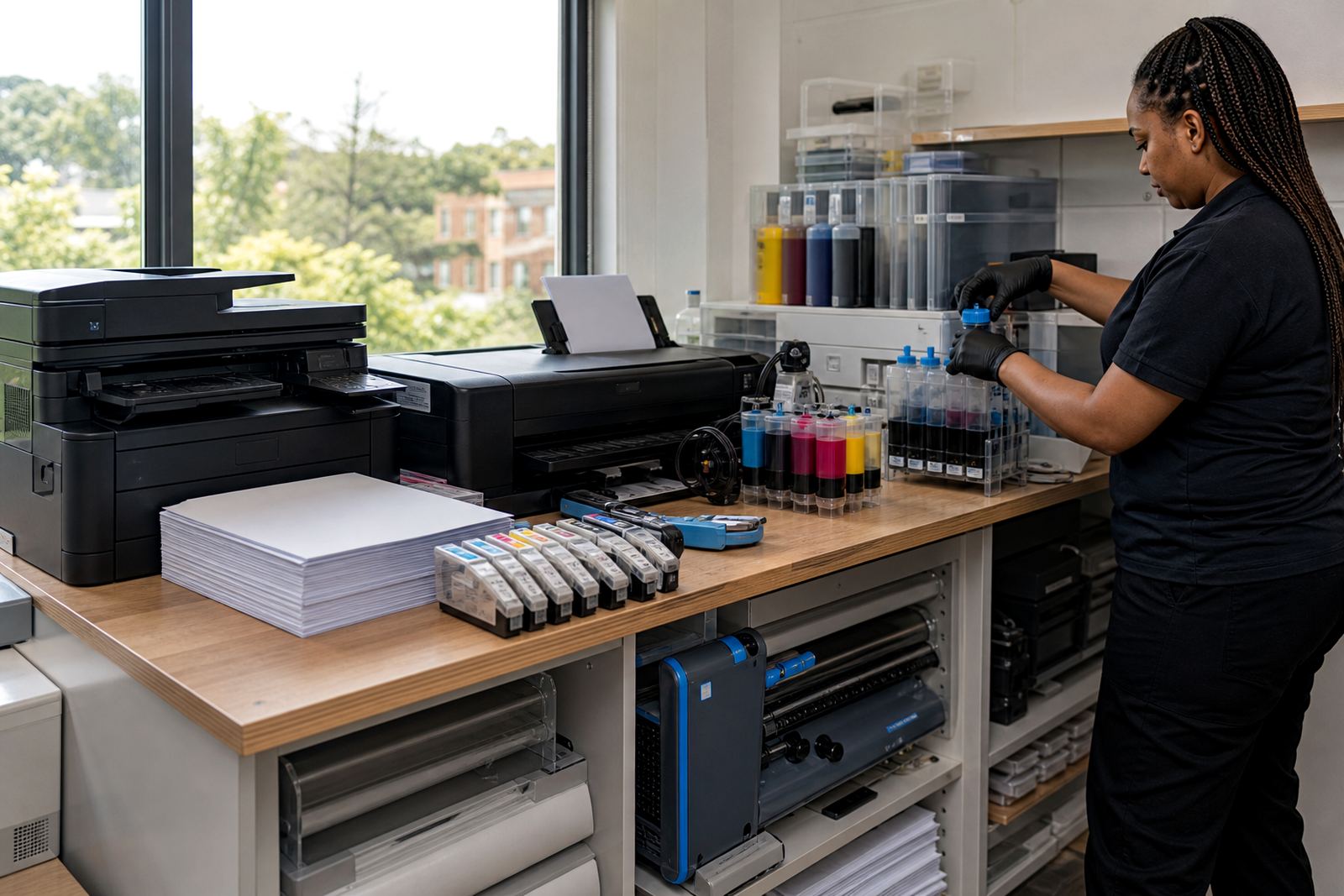
Week two was spent on setup, leak checking and printhead care. We checked that the tubing stayed seated, watched for uneven flow and set up a cleaner ink path around the printer body. The client was shown how to run nozzle checks, when to stop pushing a bad line through the machine, and how to clear minor issues before they turned into a blocked head.
By week three the studio had settled into a calmer routine. Empty cartridges were sorted for return where possible, the ink bottles were labelled for quick picking, and the client had a much clearer method for colour changes and top-ups.
- Week 1: assessment and cartridge review
- Week 2: CISS setup help and leak checking
- Week 3: routine use, nozzle checks and stock order planning
- Extra support: colour balance help for artwork prints
How the colour workflow changed
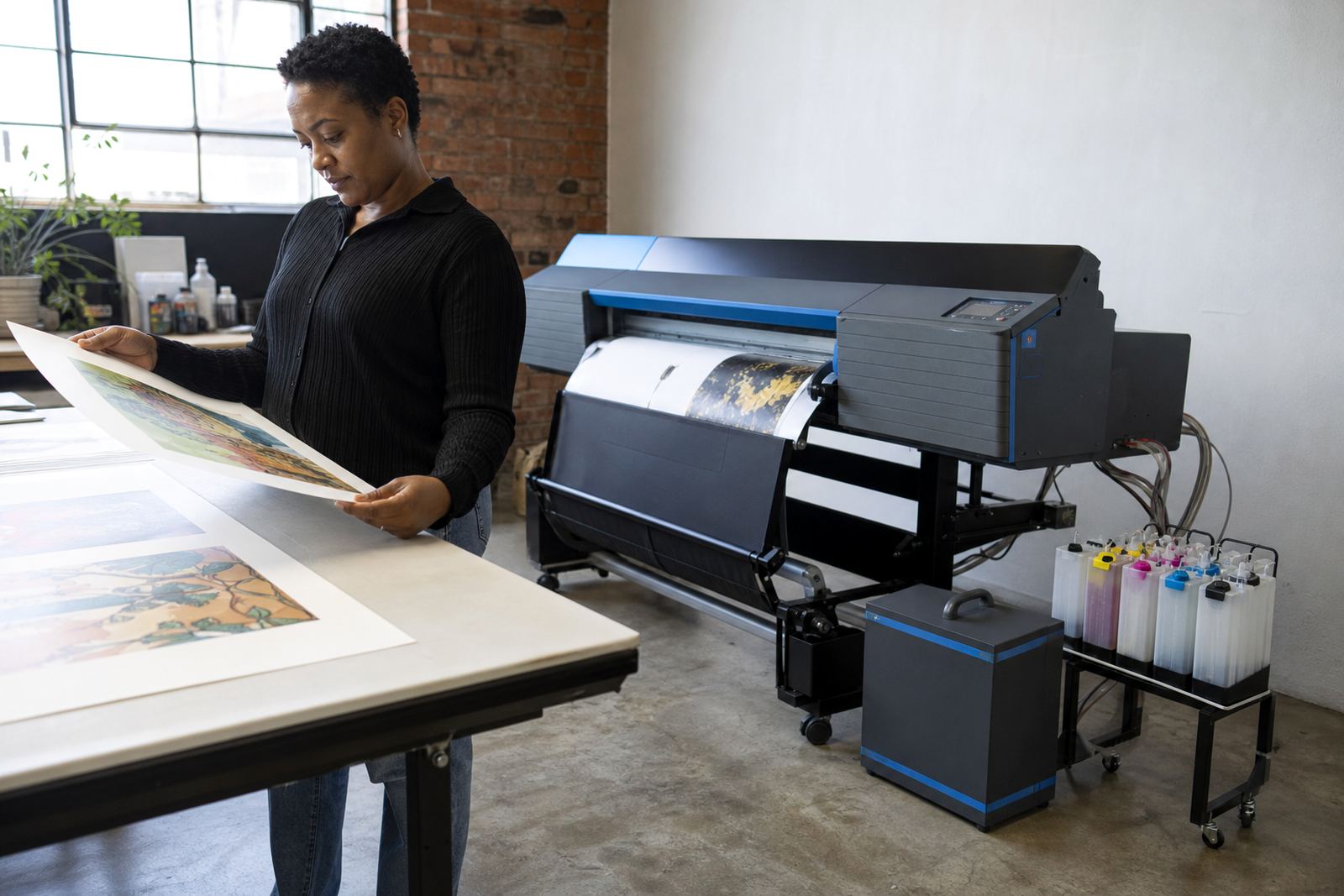
The biggest shift was not only cost, it was control. Small refill jobs can drift into guesswork if the ink mix and maintenance steps are not tracked. Once the printer was running on a more stable arrangement, the studio could print test sheets, check tone shifts and keep a better eye on how each colour behaved on different papers.
The client also found that cleaner handling reduced the amount of time spent wiping trays and caps. That matters in a studio where art paper, proof notes and packing material already take up enough space. The system suited a working rhythm where one person can move from sketching to printing and back without juggling too many loose parts.
Courier runs and supply pattern
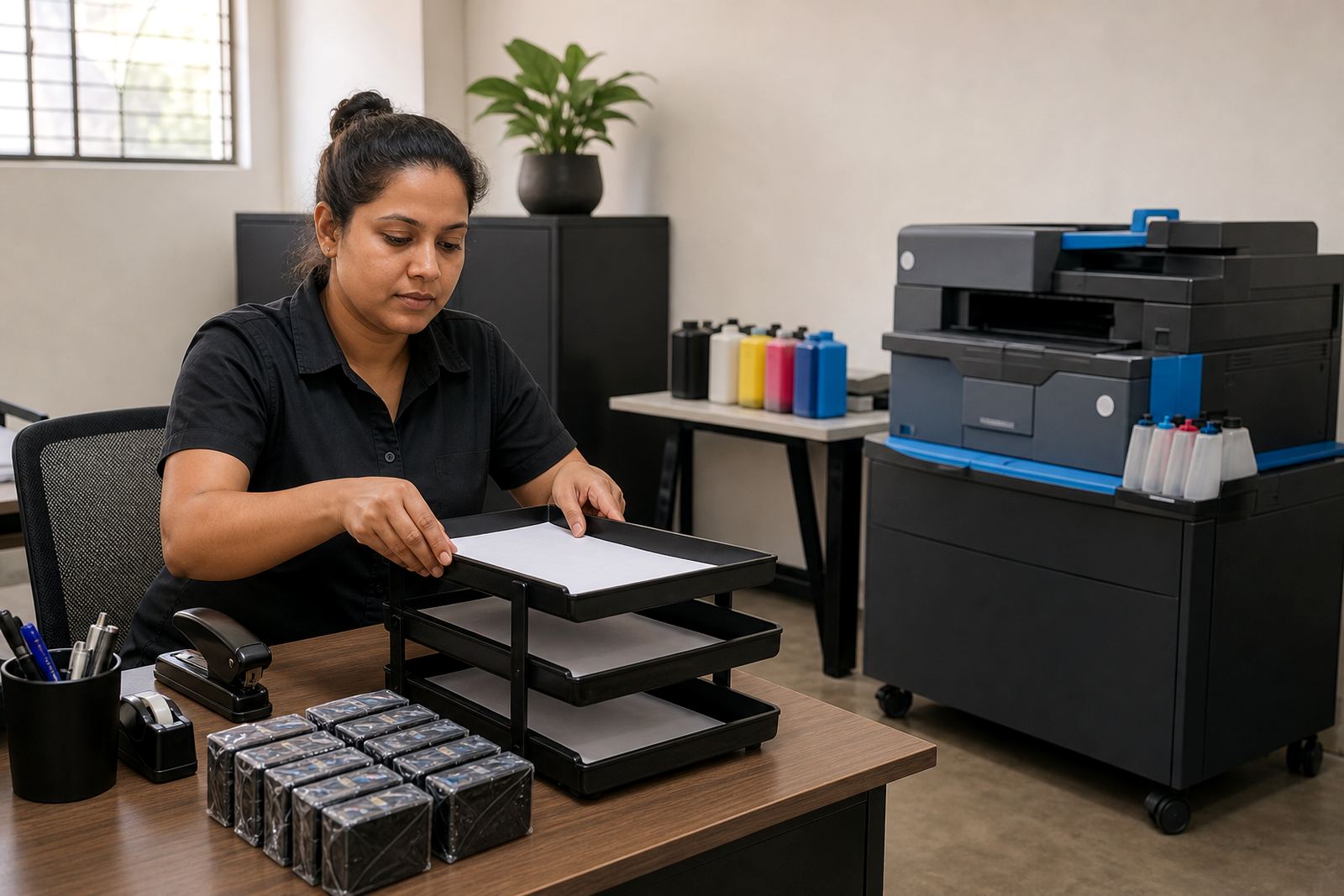
InkEx handled the dispatch side from our Westville, Durban base, with courier delivery available to Glenwood and further afield. For this job the client wanted a supply pattern that would not leave them stuck with too little stock or too much sitting unused. We mapped out a smaller holding of cartridges, refill ink and maintenance items, then set the order rhythm around actual print use.
This approach also made it easier to plan for Johannesburg, Pretoria, Cape Town and Pietermaritzburg shipments when the client’s work moved out of Durban. A steady stock pattern matters when artwork must be printed for a show, a client proof or a mounted piece. Empty returns were part of the conversation too, because less waste starts with what gets reused and sorted properly.
- Base: Westville, Durban
- Delivery area: Durban and major South African centres
- Supply style: smaller hold, tighter reordering
- Waste reduction: empty return programme and reuse planning
What we would carry into the next art studio job
The cleanest result came from keeping the install modest, teaching the maintenance steps clearly and leaving room for the client to work without fuss. For a studio like this, we would keep the emphasis on nozzle checks, ink choice, safe refilling and sensible stock planning. That mix supports both colour work and everyday printing without forcing the machine into a one-size-fits-all routine.
For a similar project, the same method would suit an artist who prints from a home room, a design studio in Ballito or a small print shop in Hillcrest. It works best where the printer is part of the creative process and not just a background appliance. The real gain is less waste, steadier output and a setup that is easier to live with.
Key facts
| Project | Glenwood Art Printer |
|---|---|
| Client type | Independent artist studio |
| Location | Glenwood, Durban |
| Setup | Refurbished cartridges and continuous ink supply system |
| Timeline | 3 weeks |
| Main support | Refill advice, printhead care and colour balance help |