The room, the printer and the daily pressure
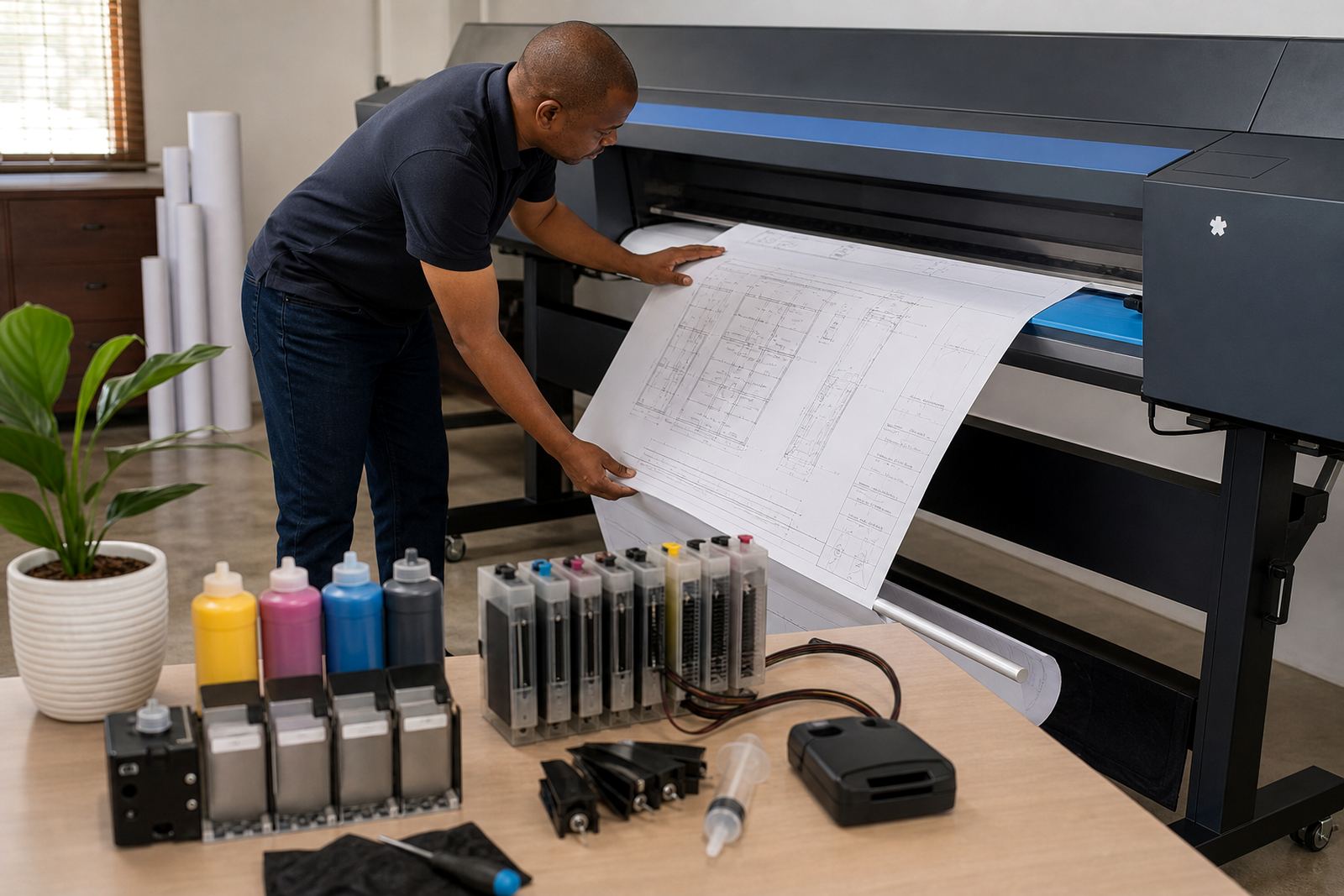
The client was a photo room in Howick handling image prints, proof sets and short runs for walk-in customers and local jobs. Their main issue was not the printer body itself, it was the churn of cartridges, uneven colour from batch to batch, and too much time spent sorting out the next refill before the current one had settled.
The room also needed a better way to keep coloured output consistent across longer print sessions. In a photo workflow, a small shift in magenta or cyan can show up fast on skin tones, shadows and neutral backgrounds. The brief called for a six-colour bulk system, sensible print checks, and a method that suited the team rather than adding more steps to the counter.
- Client type: photo room and image print counter
- Town: Howick, KwaZulu-Natal
- Job type: six-colour bulk ink conversion with support checks
What was slowing the work down
The old setup used standard cartridges that were being replaced too often for the volume of colour work being pushed through the machine. That meant higher consumable use, more empty plastic to deal with, and a stop-start rhythm when one colour ran low before the others. For a photo room, that sort of interruption lands right in the middle of paid work.
There was also a practical concern around ink type. Photo output usually needs the right balance between dye ink for colour saturation and pigment ink for areas where sharper text or darker solids matter. We had to match the ink choice to the printer and the kind of prints leaving the room, not just fill tanks and hope for the best.
- Frequent cartridge replacement
- Colour drift during longer print runs
- Waste from emptied cartridges and offcuts
- Unclear refill routine for the operators
The six-colour bulk setup we put in place
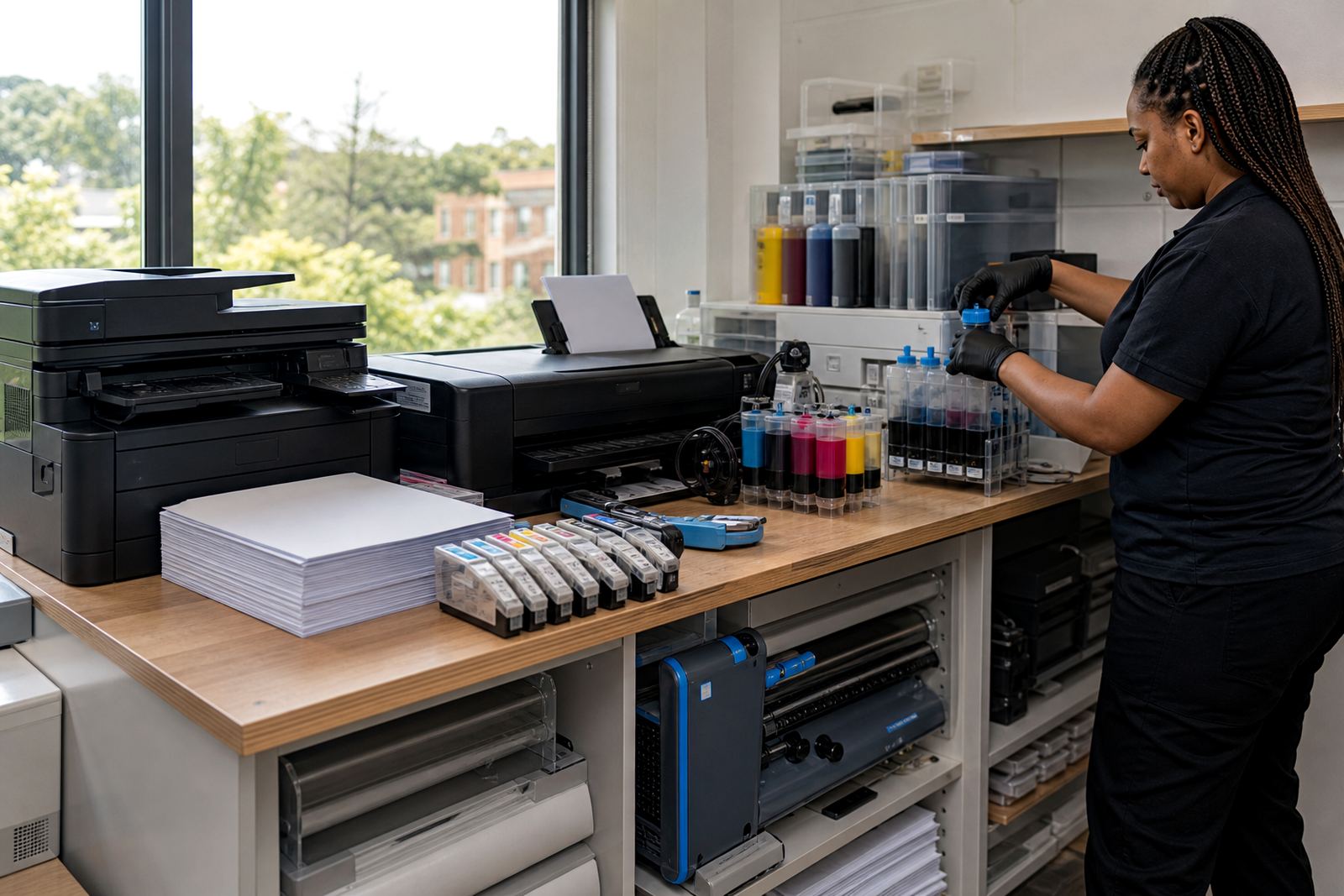
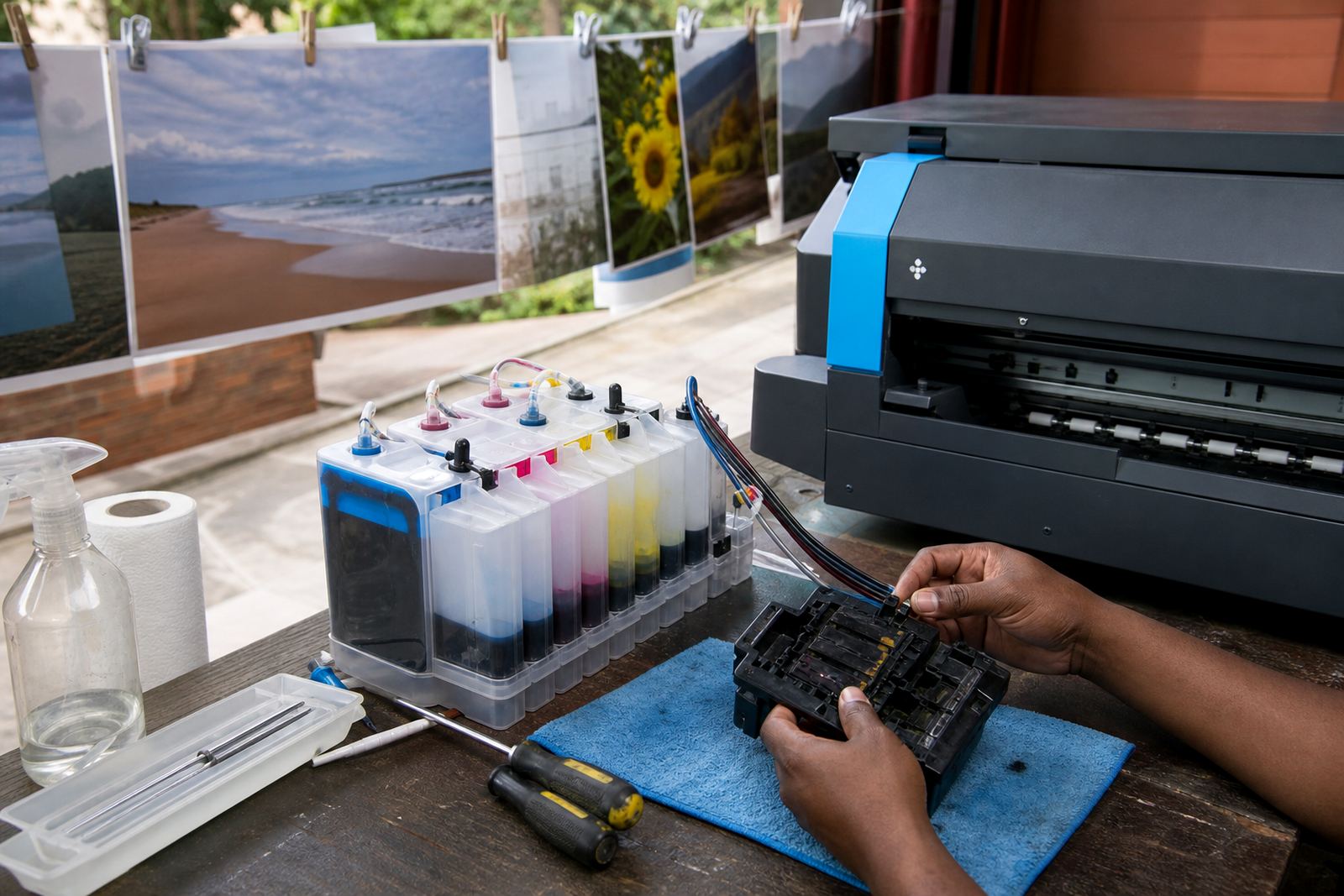
We supplied a bulk ink refill system built for six channels, with setup guidance for clean filling, line priming and basic maintenance around the printhead. The room received refill advice, nozzle check support, and colour balance guidance so the team could verify output before a larger batch went out. That mattered more than a quick fill, because photo work punishes sloppy set-up.
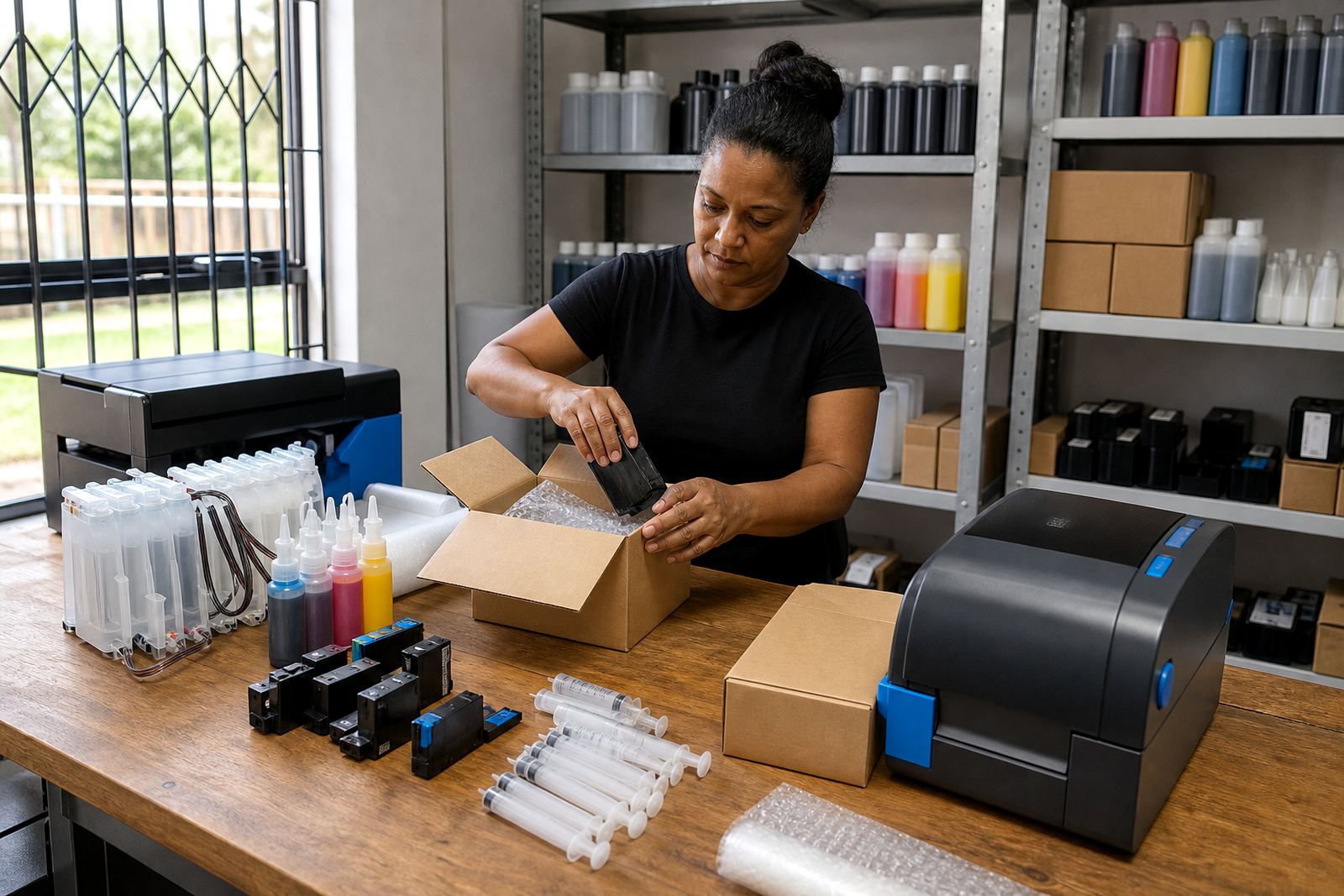
Where chip management was needed, we explained reset options in general terms and kept the process tied to the printer model already in the room. We also covered leak checking and empty return handling, so the team had a simple route for used consumables instead of letting them pile up in a drawer.
- Six-colour bulk ink system
- Refill kit support and priming guidance
- Nozzle check and printhead care
- Chip reset help in general terms
- Empty return programme guidance
The work on site and the checks around it
The changeover was handled in stages over two weeks. First came the assessment of the existing cartridge pattern, then the bulk system fitment, then ink loading and test prints. Once the lines were stable, we moved through a few sample sheets to check tonal balance, edge clarity and whether the darker blocks held cleanly without banding.
We kept the process practical, with operator training focused on the jobs the room actually does: daily nozzle checks, spotting a weak channel, and knowing when to pause for a printhead clean rather than pushing through a bad run. That kind of guidance saves more material than a rushed refill ever will.
- Week 1: assessment and system fitment
- Week 2: test prints, colour checks and operator handover
- Remote troubleshooting support after the install
What changed on the print table
Once the six-colour system settled, the room had steadier output and fewer interruptions tied to empty cartridges. The team could plan stock better, keep a cleaner refill rhythm, and manage empty returns without clutter building up around the print station. For a busy photo counter, that makes the day feel less like constant maintenance.
The prints also became easier to keep in line across a batch. Skin tones sat better, neutral greys behaved more predictably and the operators had a clearer reference for colour balance before handing work over. It did not remove the need for checks, but it gave the room a much firmer base to work from.
- Less cartridge churn
- Better batch consistency
- Cleaner stock planning
- More controlled waste handling
What we would keep in the next photo-room job
We would keep the same order of work: assess the output pattern first, match the ink type to the print mix, then set the bulk system with enough time for checks before the room starts its next busy stretch. That sequence matters more than forcing a fast changeover.
For a photo room in a humid coastal area like Durban or the Midlands, ink handling and nozzle care need clear rules that the operators can keep following. A calm refill routine, dry storage for empties and regular printhead checks are the parts that protect the setup over time.
- Match the ink to the print mix before filling
- Use small test runs before full production
- Keep the nozzle check part of the daily routine
Key facts
| Location | Howick, KwaZulu-Natal |
|---|---|
| Client type | Photo room and image print counter |
| Setup | Six-colour bulk ink system |
| Ink support | Dye and pigment guidance |
| Maintenance | Printhead care, nozzle checks, leak checking |
| Project length | 2 weeks |