
The print room pressure in Umhlanga
The client was a small architectural office in Umhlanga that prints working drawings, site packs and presentation sets for projects across Durban and inland towns. Their main need was not a flashy new machine, it was a steadier way to keep output going while reducing the cost of replacing cartridges every time a colour ran low.
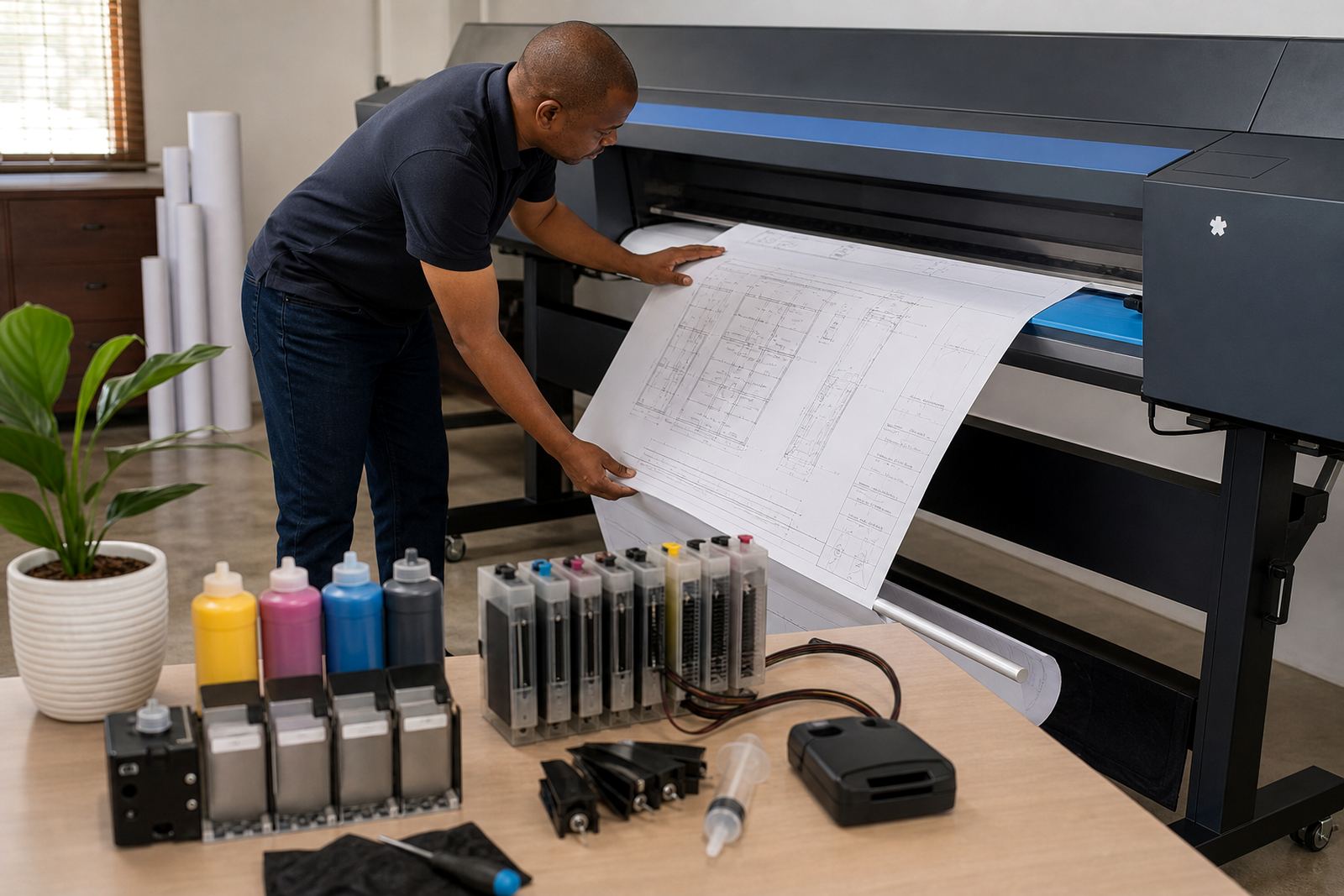
We looked at the sort of work they were producing and the way the office used ink across the week. Plan sheets, shaded elevations and marked-up revisions all place different demands on ink flow and colour balance. A refill-supported workflow made more sense than a constant cycle of buying new cartridges. It also gave the team a better way to deal with large print runs without building up a pile of empties.
- Client type: architectural office
- Town: Umhlanga, Durban North
- Main output: plan sets, drawings and presentation sheets
- Core change: move to refill-supported printing
What had to be kept under control
The office had a few constraints that shaped the setup. Their prints needed clean linework for plans, but also accurate greys and colour blocks for presentation boards. They could not afford smudging, ink pooling at the edge of fine lines, or repeat work caused by a misread cartridge level.
Another concern was printhead care. Architectural work often runs in bursts, then slows down, and that pattern can dry ink in the nozzles if the system is left idle too long. We also had to make sure the team knew when a dye ink suit a general office print and when pigment ink was the better pick for sharper lines or better water resistance on final sets. The point was practical, not technical for its own sake.
- Fine line clarity on A3 and larger sheets
- Grey balance for shaded drawings
- Lower waste from discarded cartridges
- Safer handling of refills and empties
The system we set up
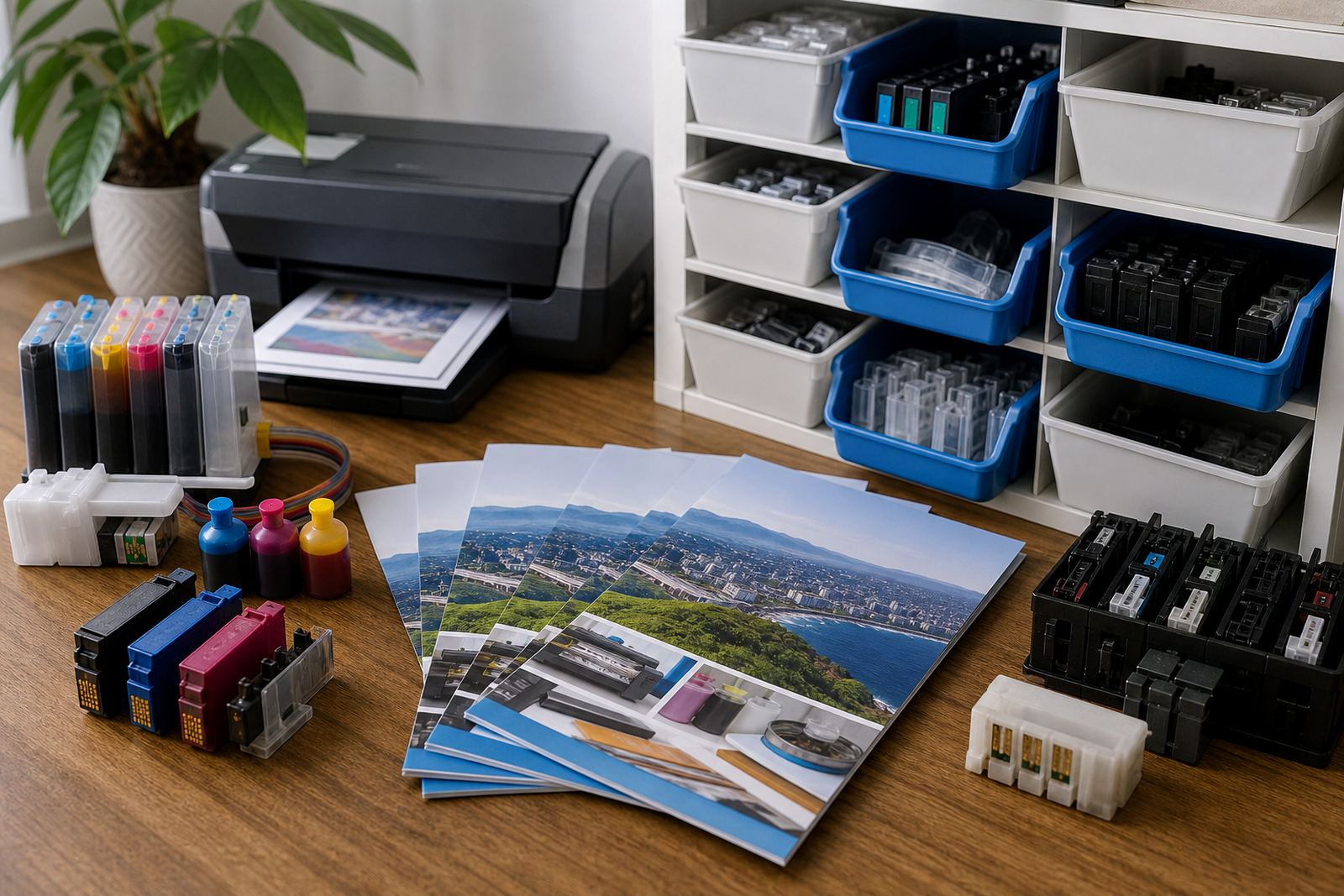
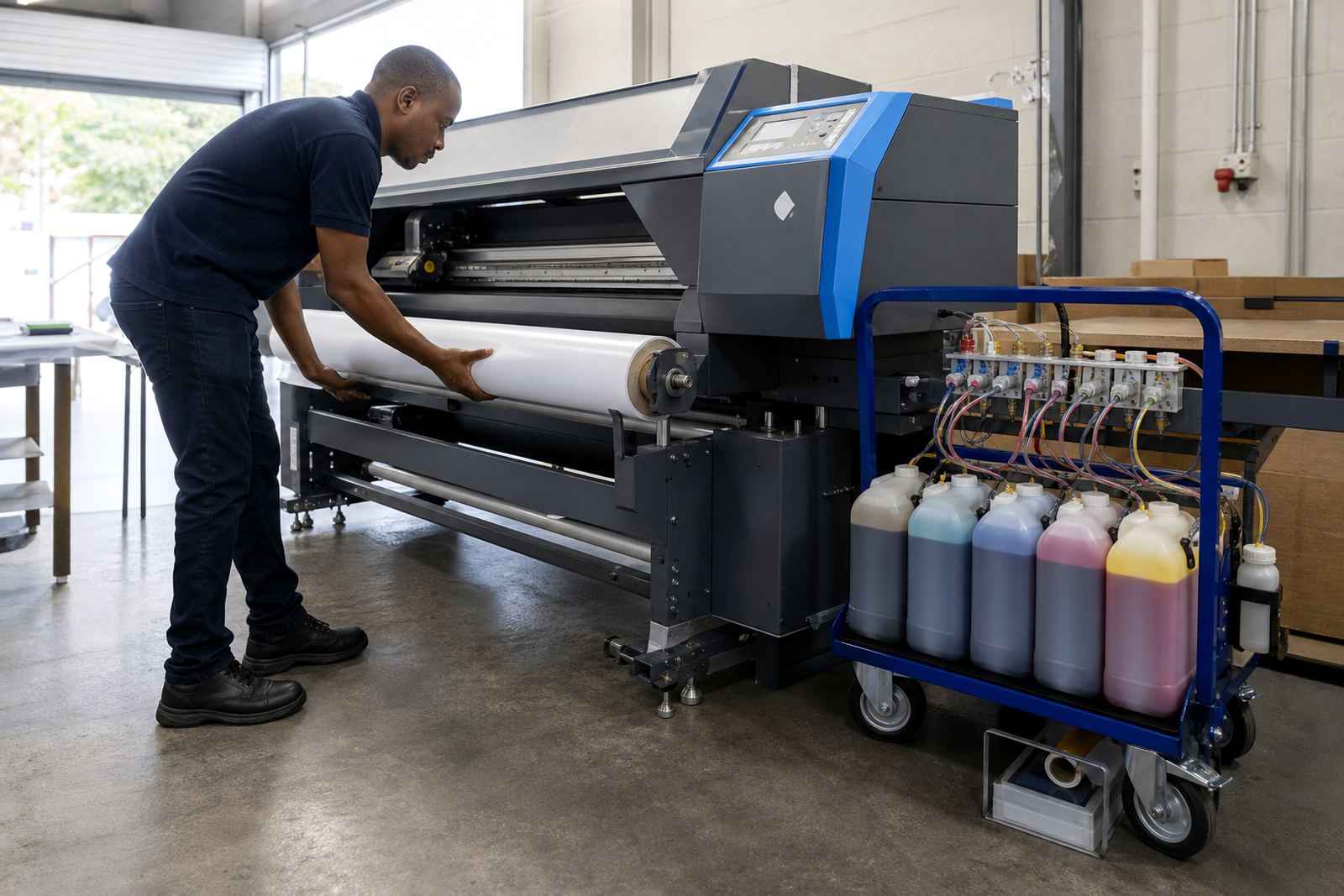
We supplied refurbished cartridges for regular office printing and set out a refill plan for the higher-volume machines. For the wider drawing work, we helped the team move into a bulk ink approach with refill bottles, chip reset guidance where needed, and routine nozzle checks. That gave them a clearer path between everyday printing and heavier drafting weeks.
The setup included practical advice on ink type, cartridge handling and leak checking. We also showed them how to monitor ink levels in a way that did not rely on guesswork. Refilling can be clean and predictable if the caps, vents and seals are handled properly and if the cartridges are not overfilled. A small air gap matters, otherwise ink can creep into places it should not be.
- Refurbished cartridges for day-to-day office use
- Bulk ink refill support for larger drawing volumes
- Chip reset help in general terms
- Leak checking and nozzle check support
Training the office hands that run the prints
The people using the printer were not technicians, so the guidance had to be plain. We covered the refill sequence, when to stop topping up, how to store open bottles, and how to spot the early signs of a blocked nozzle. The office also needed a simple way to separate dye-based ink from pigment-based ink, because mixing the wrong type can muddy output or shorten the life of a cartridge system.
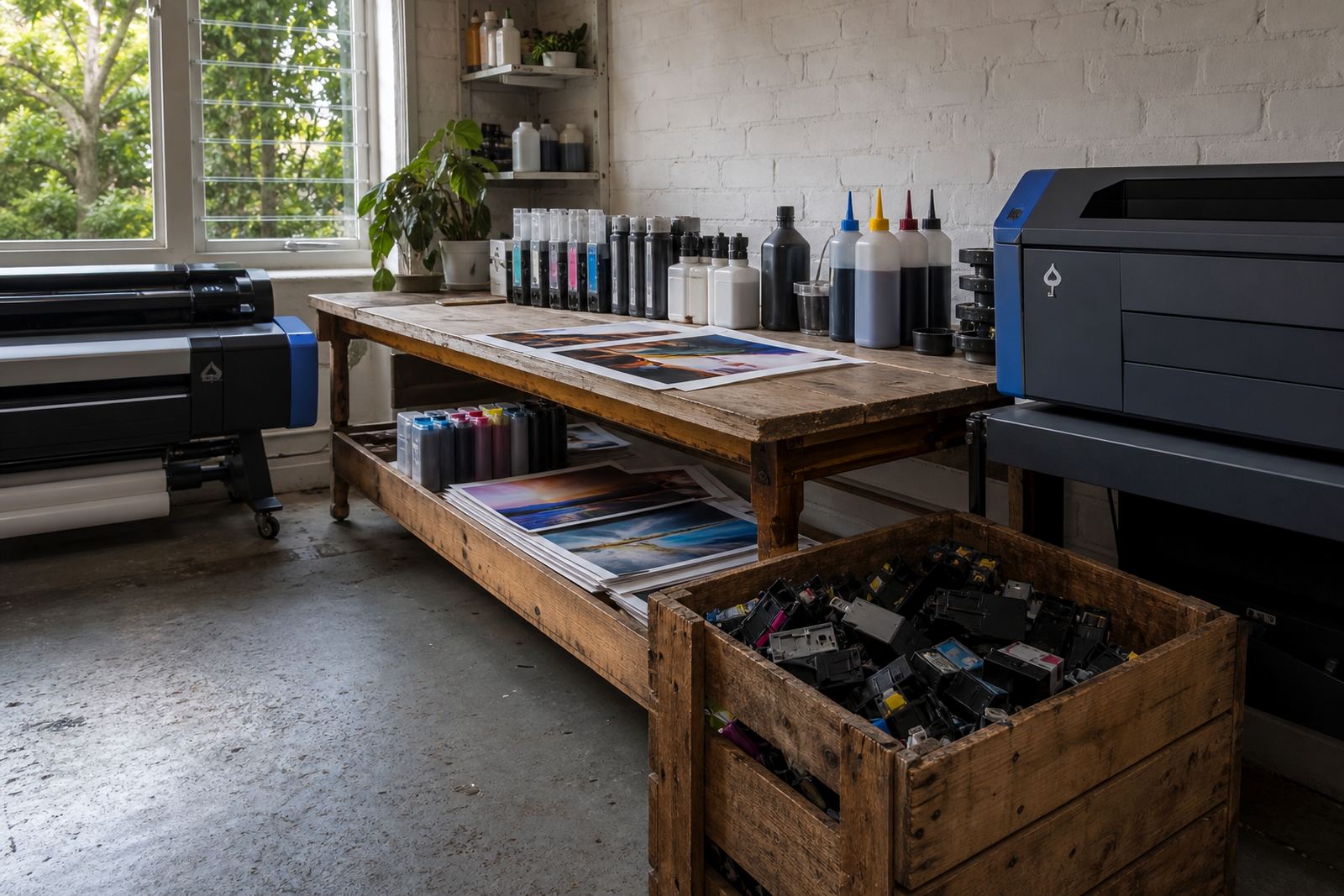
We left them with a working routine for empty returns too. Used cartridges and empty containers were kept aside instead of heading straight into general waste. That helped the office manage storage, keep the print area tidier and reduce the amount of material thrown away. It also made stock planning easier, because the team could see what needed refilling before a busy drawing week arrived.
- Operator training for office staff
- Stock planning help for drawing cycles
- Empty return programme guidance
- Remote troubleshooting for basic print faults
The weeks it took to settle the flow
The change was handled over a few weeks, beginning with the first assessment and moving into cartridge testing, refill support and output checks. The early stage focused on setting the right ink mix for the office printers and confirming that the drawing output stayed clean across repeated runs. After that, the team worked through a few full print cycles so the office could get used to the new handling routine.
Once the system settled, the practice had a more predictable print workflow. There was less interruption from last-minute cartridge swapping, and the team had a clearer way to manage larger drawing volumes without wasting usable hardware. The office also found that print planning became easier, because the refill stock sat in one place and the empties had a defined return path.
- Assessment and planning: 1 week
- Setup and initial testing: 1 week
- Training and print checks: 1 to 2 weeks
- Ongoing support by order pattern and usage
What changed in day-to-day use
The biggest gain was not dramatic, it was practical. The office had steadier access to ink for plan printing and less waste from replacing cartridges that still had service life in them. Their print room became easier to manage, and the team could keep drawing output moving without the clutter of repeated emergency purchases.
For future work, we would keep the same structure: refurbished cartridges for lighter office printing, bulk ink for larger runs, and a standing habit of checking nozzles before a heavy batch. We would also keep empty return sorting built into the weekly routine. That combination suits architectural work because the print load rises and falls, but the need for clean linework never really changes.
- Lower waste from reusable consumables
- Cleaner handling of larger drawing runs
- Better control over refill stock
- More disciplined print maintenance
Key facts
| Project | Umhlanga Architects |
|---|---|
| Town | Umhlanga, Durban |
| Service mix | Refurbished cartridges and bulk ink refill support |
| Main equipment use | Plan printing, drawings and presentation sheets |
| Timeline | A few weeks from assessment to settled use |
| Delivery reach | Westville base with courier supply across South Africa |