The brief on the counter, not on paper
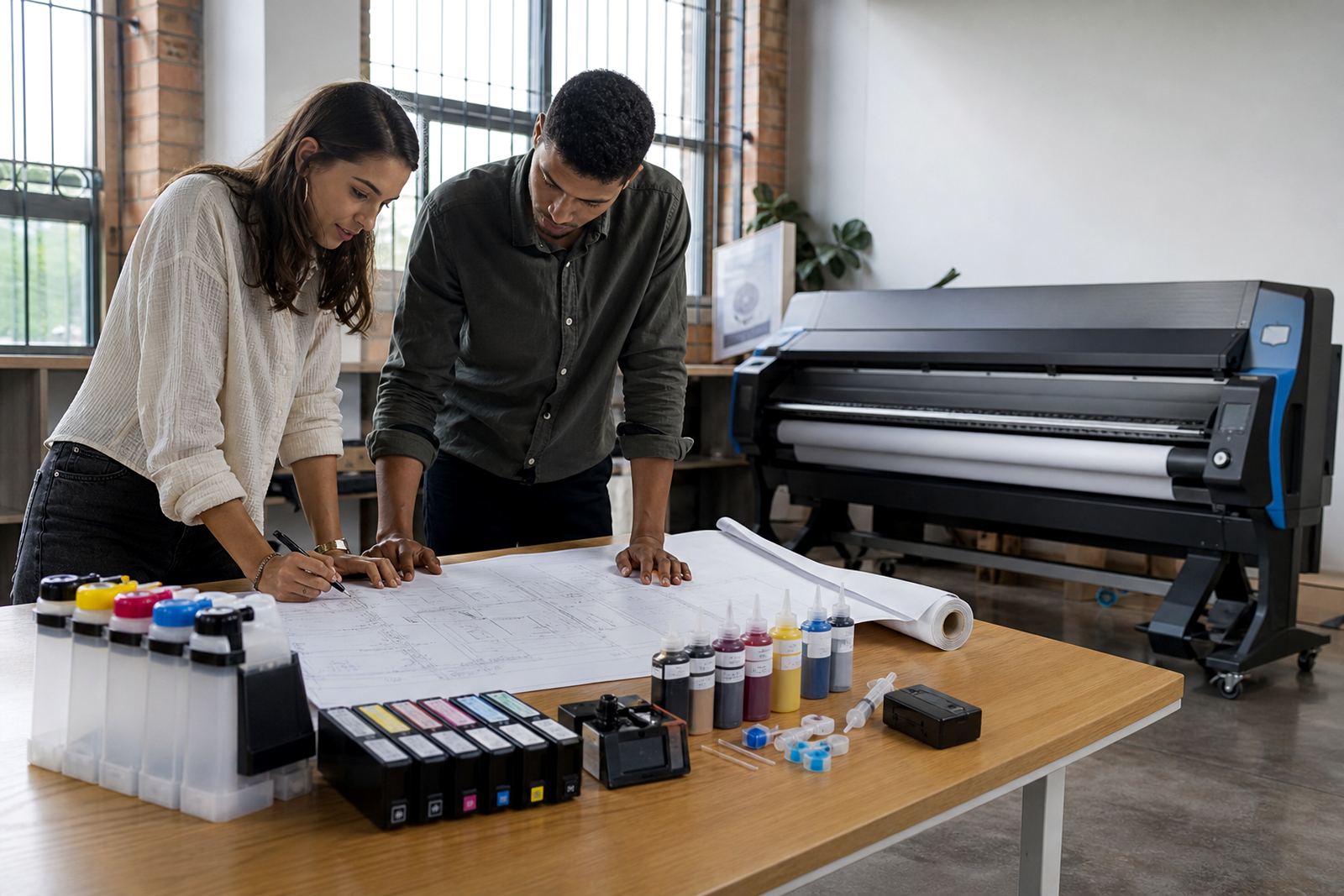
The team was handling posters, point-of-sale boards and short-run display work for walk-in and trade clients. Their printers were being pushed through frequent colour changes, and the old habit of replacing cartridges each time was making the operating cost harder to manage. They wanted a cleaner method for day-to-day printing, without turning the floor into a maintenance bay.
The main ask was to shift the poster side of the business to bulk supply, with operator-friendly refills and fewer interruptions for routine colour topping up. They also wanted the process to stay practical for staff who were not print technicians, especially where the work changed between light indoor graphics and richer colour output.
- Client type: signage and poster production shop
- Town: Midrand
- Main goal: lower consumable waste and simpler top-ups
- Working method: bulk ink supply with refill support
What was getting in the way of steady output
The shop was dealing with a few ordinary but awkward issues. Empty cartridges were piling up, and operators were not always sure whether a colour shift came from ink type, nozzle build-up or a tired cartridge. There was also confusion around when to keep printing, when to clean, and when to stop before a bigger fault set in.
Because they were producing posters for different customers in the same week, they needed a system that could handle regular top-ups without cross-contamination or messy handling. We also had to keep the advice realistic for a signage floor, where staff need clear steps and not long theory. In a few spots the room is not ideal for fine work, so the refill process had to be tidy and repeatable.
- Frequent cartridge replacement was inflating consumable use
- Operators needed clearer guidance on ink type and colour handling
- Printhead care had to fit a busy production routine
- Empty cartridges needed a return path instead of landfill build-up
The supply mix we put in place
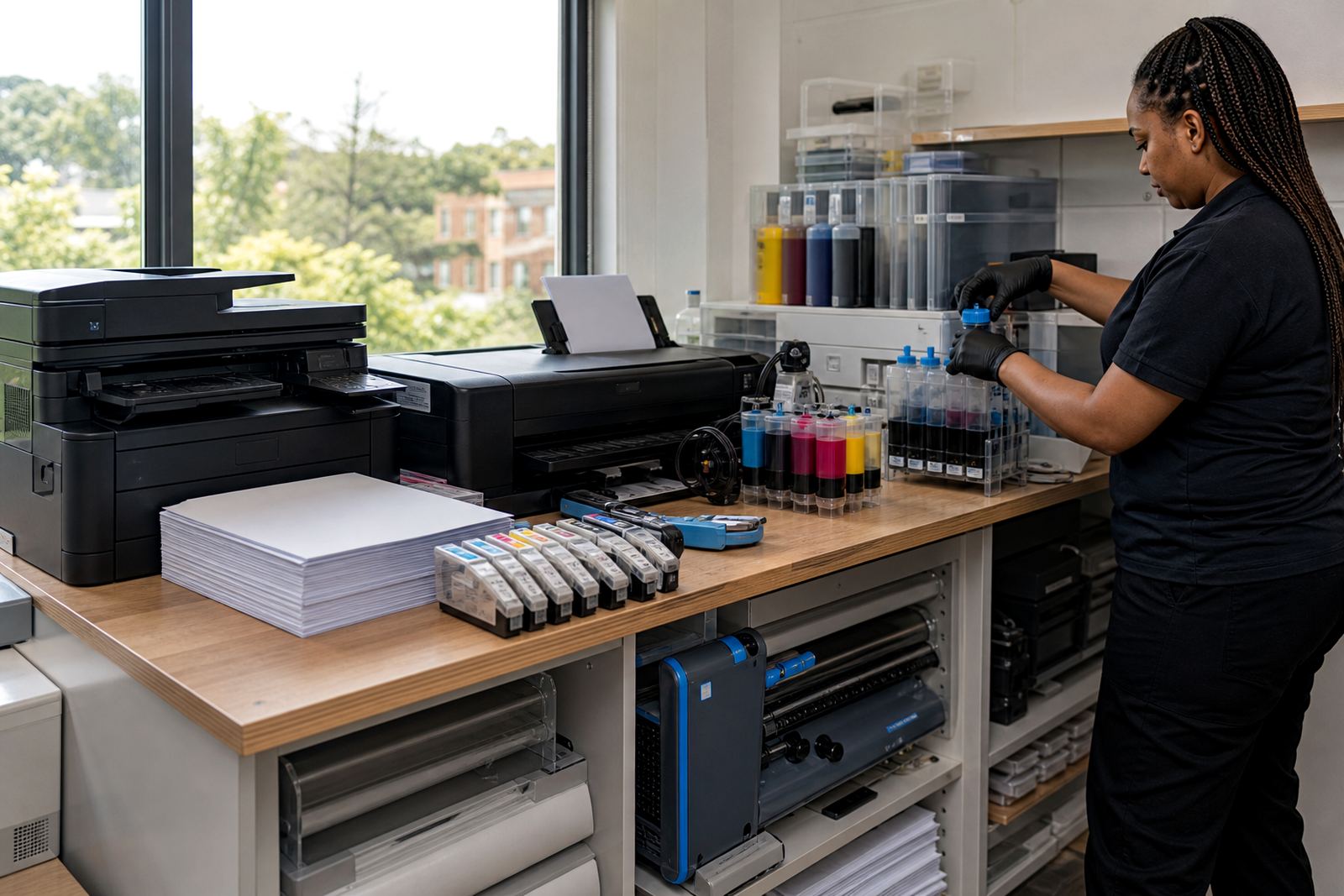
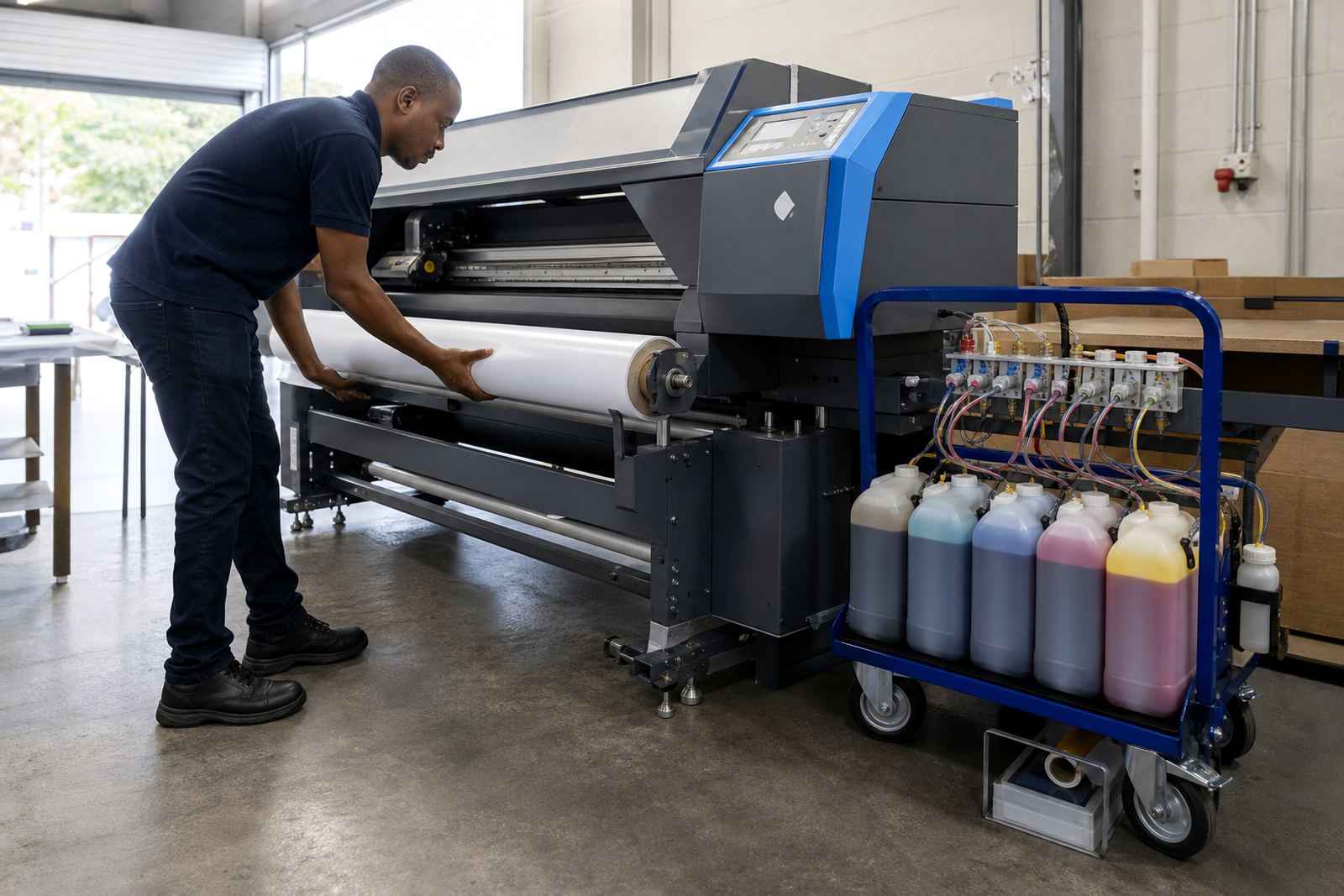
We moved the workflow towards bulk ink systems for the poster printers and supplied refill kits where cartridge-based topping up still made sense. The set-up included general guidance on continuous ink supply systems, chip resetters where the machine allowed them, and practical colour checks before each new run. For the shop floor, the point was not fancy kit. It was reliable ink delivery and fewer awkward stops between jobs.
Ink choice was matched to the print use. Dye-based ink was better suited to bright indoor poster work where vivid colour and smooth output mattered, while pigment-based ink was discussed for jobs that needed firmer resistance to handling or moisture. We also covered printhead care, nozzle check support and leak checking, because a bulk set-up only works well if the basic maintenance is respected. The staff were shown how to keep caps, lines and refill points clean, and how to spot early signs of air in the system.
- Bulk ink supply for poster production
- Refill kits for selected cartridge types
- CISS setup guidance for supported printers
- Chip reset help in general terms
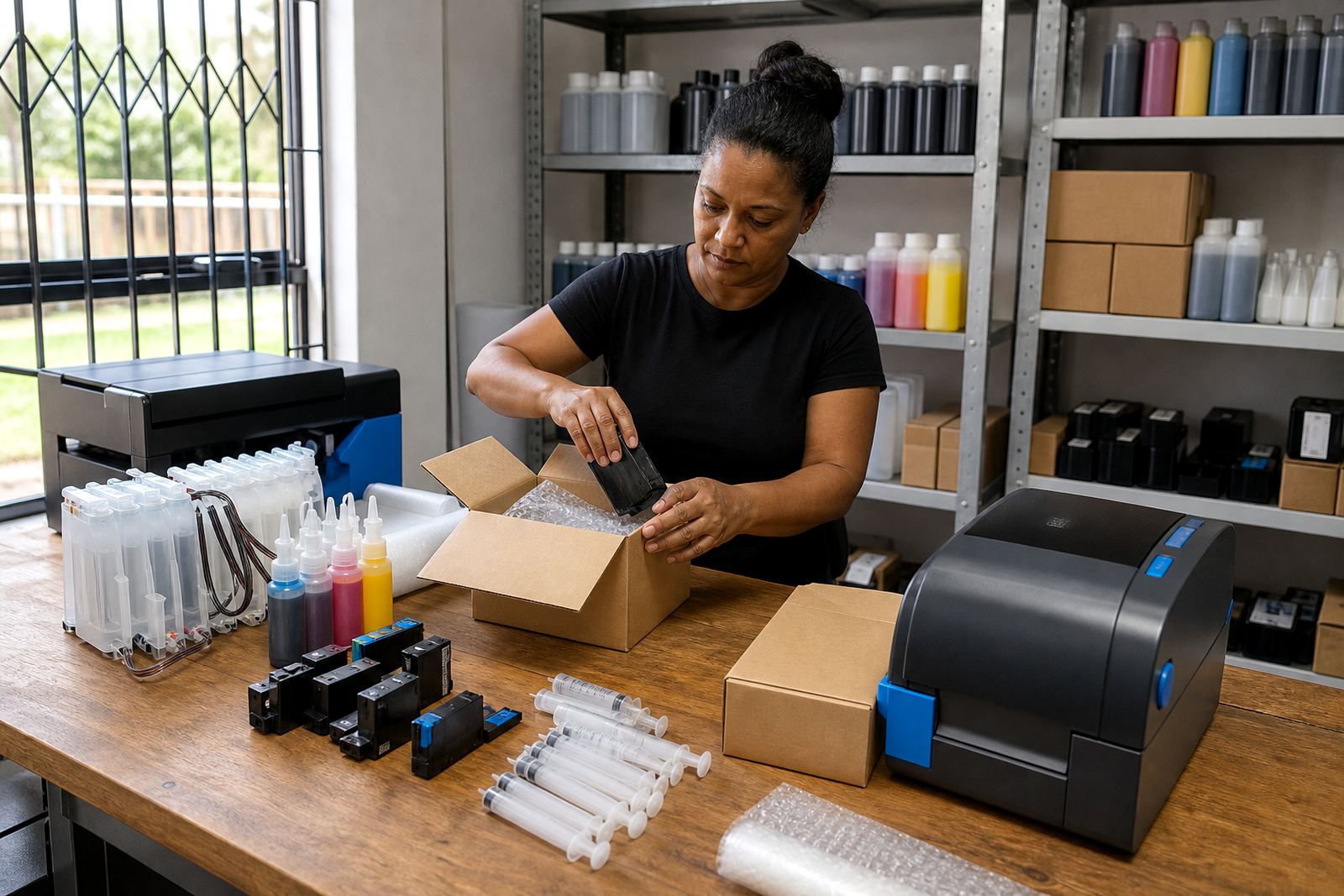
- Empty return programme for used cartridges
How the change was rolled out
The change was handled over three weeks. The first week was spent on the printer list, existing output patterns and the kinds of poster jobs that were moving through the shop. In the second week we set up the refill method, sorted ink type guidance and gave operator training around nozzle checks and safe handling. The third week was used for small corrections, colour balance help and remote troubleshooting on the details that only show up once the work starts running.
There was no reason to overbuild the process. The shop needed a neat method that matched its pace, so we kept the steps short and repeated them until the operators were comfortable. A little extra discipline at refill time saved a lot of messy clean-up later, especially where the team was switching between darker solids and lighter branded panels in the same day.
- Week 1: assessment of printer use and poster output
- Week 2: refill method, training and ink matching
- Week 3: fine-tuning, checks and practical support
- Courier delivery arranged for the consumables needed on site
What changed once the shop moved over
The biggest shift was operational. Operators could top up more easily, and the shop stopped treating every empty cartridge like a fresh purchase decision. That made planning simpler for the people ordering stock and for the people standing at the printer when a run needed to keep moving. The team also gained a better grip on when a colour issue was really a maintenance issue, instead of guessing and replacing parts too early.
Because the printers were being used for posters rather than fine art work, the team did not need a complicated colour lab. They needed steady output, clear refill habits and a sensible way to manage empties. The move to bulk supply helped them use stock more deliberately, and the empty return routine kept the dead cartridges from stacking up in drawers and boxes around the shop.
- More controlled consumable use
- Less cartridge waste at the end of each run
- Cleaner top-ups for staff on shift
- Better day-to-day confidence with colour handling
The parts of the workflow we would keep
If we were doing the same kind of signage job again, we would keep the same order of work: map the printer use first, match the ink type to the print purpose, and only then settle the refill method. That sequence kept the job practical and stopped the shop from buying kit that did not fit the way it actually prints. It also made the staff training easier because each step had a clear reason behind it.
We would also keep the routine checks in place. Nozzle check support, leak checking and printhead care are small tasks, but they prevent avoidable downtime when the machines are doing poster work day after day. On the admin side, the empty return programme and a clearer stock plan helped the ordering counter avoid last-minute scrambling, which matters when jobs are booked across multiple days. Small slips in handling can become bigger issues if nobody watches the system closely enough.
- Start with the printer list and the real job mix
- Match dye or pigment ink to the application
- Keep a steady refill and maintenance routine
- Plan empty returns alongside fresh stock
Key facts
| Client type | Midrand signage and poster production shop |
|---|---|
| Project scope | Bulk ink supply and easier operator top-ups |
| Rollout period | 3 weeks |
| Key equipment | Supported inkjet printers with refillable supply setup |
| Consumables | Bulk ink, refill kits, chip reset help and empties return |
| Support included | Cartridge refill advice, printhead care, nozzle checks and colour balance help |